The post What is Amazon FBA & Is FBA Right for your Business? appeared first on Amazon-ASIN Blogs - Latest from Amazon Sellers: News, Advice, and Effective Strategies.
]]>Let’s discuss the advantages and disadvantages of FBA How to use FBA and much more.
Pros and cons of using Amazon FBA
Through the use of its own logistics as well as consumer faith, Amazon has allowed thousands of entrepreneurs from the e-commerce industry to expand and expand their business through the FBA program.
It’s amazing to think that one person with no knowledge of e-commerce can sell their own items on the biggest online marketplace worldwide and have their items delivered to customers in just two days.
Although FBA is an effective fulfillment option that comes with many positives, it has some negatives as well. Let’s look at the advantages and disadvantages of FBA.
Advantages of Using Amazon FBA:
Prime Shipping: If you’re an Amazon customer, you’re already familiar by Amazon Prime. The Prime badge means that you’re entitled to get complimentary one-to two-day shipping on purchases of the item. You can also easily return the item in case of need. If sellers make use of FBA their listings will carry the Prime badge as well as access to Amazon’s 200 million Prime customers.
Send your inventory to Amazon’s fulfillment centers. For selling your items via FBA the only thing you need to set up a shipping strategy in Seller Central and ship your items into Amazon’s fulfillment centres. Amazon will take your inventory and keep it until the time that customers buy.
Customers have faith in Amazon: When customers look at Amazon’s Prime image, they are aware that they’re entitled to quick shipping and accessibility to the Amazon customer support when something goes wrong. Your items will usually be delivered to the address of your customer with a Amazon-branded package making it more attractive to customers. your product.
Amazon delivers all orders you make: Manually packaging and shipping orders daily is a long and laborious procedure. FBA FBA is similar to being your very own warehouse staff who take care of everything.
Amazon manages customer support: Amazon will take charge of any customer service issues that are associated with orders shipped out using FBA. When orders are shipped through FBM (fulfilled by the Merchant) however the seller will handle its own service to customers.
Amazon manages returns It’s not just that Amazon package and deliver orders on your behalf however, they also take care of returns. When the product is in its original state, Amazon will return that item back to your inventory.
Multi-channel fulfillment Have you heard that Amazon could make use of Amazon FBA to fulfill orders for other marketplaces and e-commerce stores? Sellers can make a fulfillment order and deliver a item to a customer who is not an Amazon.
Disadvantages of Using Amazon FBA:
FBA charges: A downside to the use of FBA is that FBA fees can be rather expensive. Based on the size and weight of your item, the costs to complete your order will be around 30-40% of your item’s cost. It is essential to determine the costs prior to selling products to determine their profits.
FBA storage charges: On top of FBA costs, Amazon also charges you to store your products at their fulfillment centres. There are two kinds of storage charges: monthly and long-term. The proper management of your inventory can assist you in avoiding storage costs for long-term storage, since they can be very costly.
Inventory and Restock limits: Amazon has implemented limitations on restocking to stop retailers from overstocking their stock but it has proven to be a bigger problem for sellers who are unable to send enough products. Be aware that you might not have enough storage space to accommodate all your inventory.
Amazon allows customers to return items Although this is extremely convenient for consumers however, it is easy to return goods on Amazon can result in more frequent returns than other marketplaces.
Is FBA suitable for your business?
After you have a better understanding of the advantages and disadvantages of using FBA Is it the right choice for you?
It is possible to make use of FBA in the following situations:
- Sell lightweight and small-sized items which will make you FBA and storage charges less
- You can run your business from your home and do not have storage space to store your inventory
- Aren’t in the mood or resources to package and deliver orders
- Do you want your items to be Prime shipping eligible?
- Do you want Amazon to manage customer service and return issues?
It is possible that you do not need to make use of FBA If you:
- Sell extremely heavy and/or large items.
- Do you want to control how your products are delivered to your customers?
- Own your own warehouse that can be used for storage and fulfillment
- You can process returns on your own
- Utilize a third-party fulfillment provider
- You are in charge of your fulfillment, however you are part of Seller-Fulfilled Prime
- You cannot afford your own warehouse space , or employees to pack and ship your orders
This article should give you an understanding of FBA and how it operates and if it’s appropriate for your business.
The post What is Amazon FBA & Is FBA Right for your Business? appeared first on Amazon-ASIN Blogs - Latest from Amazon Sellers: News, Advice, and Effective Strategies.
]]>The post How to do Marketing on Amazon – Ultimate Guide appeared first on Amazon-ASIN Blogs - Latest from Amazon Sellers: News, Advice, and Effective Strategies.
]]>But the brands who want to win the sale (and actually do) proactively seek new ways to:
- Optimize their listings
- Elevate their product
- Cater to shifting consumer behavior
- Deliver better customer experiences
- Expand their brand reputation
Understanding Your Amazon Audience
2021 Amazon consumers:
- Are more technical and feature-focused
- Consider price, ratings, and reviews top factors in their purchase decision
- Are not as brand-loyal as they would be on other channels
- Expect their questions, issues, and hesitations about products to be addressed as fast as possible
- Are looking to make decisions quickly and easily
- Assume that the product they see online will be the exact product they will receive in the mail
Because Amazon shoppers are motivated in a different way than traditional consumers, brands can’t rely on the same marketing strategy to attract both audiences. To the millions of Amazon consumers, Amazon is a trusted, convenient, and compelling place to shop—but it’s up to you to employ the right strategies catering specifically to their needs in order to stand out and win their sale on the marketplace. Which leads us to the very reason why you’re reading this playbook in the first place…
” Over 60% of all online shoppers begin their search on Amazon “
“215+ M shoppers log on to Amazon every month in the U.S.”
This guide breaks down five key sections highlighting the most crucial marketing and advertising strategies sellers need to leverage in order to attract and convert Amazon customers. It’s important to note while each of these strategies can individually increase your conversion rate and sales, they are most successful when executed simultaneously.
Here are the 5 main ways brands can improve their success on Amazon:
- Optimize your copy for Amazon SEO
- Quality Product Photography and Video
- Take Advantage of A+ Content (EBC)
- Create a Compelling Amazon Storefront
- Maximize Paid advertising on Amazon
STEP 1 : Optimize Your Copy for Amazon SEO
One of the most impactful changes a brand can make to drive more conversions is by optimizing your product listings with SEO-rich keywords.
Amazon’s search algorithm looks at the following to determine where a product lands in its search results:
- Keyword indexation
- Seller ranking
- Product reviews
- Price
When it comes to writing copy for product pages, an optimal listing combines valuable indexed keywords and the vital information the shopper needs to make a purchase.
But, writing and creating successful copy for product pages hinges on whether or not a brand knows and understands its consumers on the Amazon platform. Because Amazon shoppers are so feature-focused and hyper-aware of the technical specs of products, they’re going to be searching for more specific keywords. Adding these search terms into every facet of page copy (outlined on the next page) will help ranking and close rate.
“Up to 30% conversion rate increase from Optimized titles and bullet points”
Key Amazon Content Optimization Strategies
PRODUCT TITLE
Should include the brand name, product name, and top keywords
Product titles should target specific keywords that have a better chance at ranking well. For example, let’s say a brand is selling multi-vitamins on Amazon.While including ‘multi-vitamin’ in a listing is tempting, the marketplace is saturated with vitamin companies and it’s hard to rank for a keyword that is so generic and widespread. Instead, the brand should target specific search terms that the Amazon shopper is using that relate to their product. Brands can use multiple third-party tools to identify which keywords are trending and then include these in their product copy. In the case of a multi-vitamin brand, ‘multi-vitamins for women’ or ‘multi-vitamin gummies’ are more specific and will be easier to rank for.
BULLET POINTS + PRODUCT DESCRIPTION
Highlight the features of the product while focusing on the brand and its message
The bullet points and product description section of a listing should highlight what the product does and how it can solve the shopper’s problem. Consider these when writing:
- What problem the product is helping to solve
- The value it is providing
- What makes this product better than a competitive product
- What’s included—and what’s not included—in the package
Best practice is to have the product description focus more on the brand and the company selling (or manufacturing) the product than on the product itself. Because the product description is often further down on a page, it doesn’t attract as many viewers as the bullet points, which are located right next to the photography section. Additionally, any A+ Content effectively overwrites any product description, so it isn’t really as critical.
VARIATIONS
Showcase the different sizes, colors, or shapes of a product on a single page
If you have two products that are exactly the same but come in two different colors, you can put them on the same product page with a variation. These variations show consumers how they can customize the product or even upsell to a better model. In addition to grouping product listings for easy viewing, variations also combine ratings and reviews which is proven to increase the product’s organic search rank and close rate.
SEARCH ATTRIBUTES
Understand keyword indexing and how to get your products seen
If your listing is indexed for a keyword, that means it will show as a result when a customer uses that search term in the Amazon search bar. Simply put, increasing the number of keywords you are indexed for increases the ways in which your customers find your products on the marketplace. If your product is not indexed with the right keywords, then buyers will find a competitor’s products or will not find any products related to their search.
On Amazon, brands have a limited number of characters or opportunities for keyword indexing, so focus on keywords that are highly relevant and have search volume. Also, keyword research and indexing is not a set-it-and-forget-it process. Trends and consumer needs continuously evolve, so brands need to regularly check and update their keywords for relevancy and conversion.
Conclusion:
When it comes to creating the perfect product description and keyword-optimized copy for product listings on Amazon, the words you include on the page do more than just sell your product to potential customers. You’re also giving consumers another way to engage with and, ultimately, judge your brand. Many consumers go to Amazon as a first step before they make a buying purchase, and oftentimes they’re simply looking at the reviews on the page. The way a product and a brand are represented on every single product page can help influence whether or not a shopper converts. This means that there must be cohesive branding, high-quality content, and meticulously maintained brand responses on every single listing
Step 2: Take Advantage of A+ Content
A+ Content gives brands the space to take their listings to the next level—but the content must be thoughtfully crafted to win over customers.
One of the most underused yet most effective elements of an Amazon listing is A+ Content. Located further down on the product listing page, A+ Content is a valuable retail space that enables brands to expand upon product details while giving them control over their visual identity, leading to consistent branding across channels and legitimizing the product within Amazon.
This visual content is an excellent opportunity for brands to share their unique story, highlight key features, expand on product specifications, and display a consistent brand identity. However, not all A+ Content is created equal. Many sellers across Amazon use the generic modules that result in a 5% average increase in conversion rate when applied. But developing strategic A+ Content with a thoughtful approach to design and storytelling (we’ll share how to do that next) has proven to increase conversion rate by up to 25%.
Up To 25% conversion rate increase from the addition of A+ Content
Key A+ Content Research Strategies
The most important part of implementing an A+ Content strategy that sells? Research. Your enhanced content won’t resonate with consumers unless it’s developed or optimized specifically with their needs in mind. Some considerations during your research sessions should include:
CURRENT CONTENT
If content already exists, what brand assets can you work into your design to appeal to the Amazon shopper? Share your company’s history, your unique story, and mention accreditations, awards, or health and safety considerations pertaining to your products. Then, after publishing, pull out your phone and make sure your A+ Content is consistent across desktop and mobile.
COMPETITORS & OTHER MARKETPLACES
Every product on Amazon is in competition with dozens of other products. And because of Recommended Products that appear on the listing, it’s more crucial than ever that you make your product stand out. Inevitably, most consumers will navigate away from your listing to explore the other options on the market. The best strategy to ensure customers don’t leave your listing in the middle of their decision-making process is to show the Amazon shopper the key differentiators of your product.
CUSTOMER REVIEWS
Research the feedback and questions your customers have so you can address them up front. If there are recurring issues or questions in the product reviews, proactively address these in your A+ Content to deliver a better customer experience.
For example, a brand selling health supplements should address where their ingredients come from, any certifications that add credibility, and information on how or why their products work. A brand selling a power tool should address manufacturing processes, materials that make it high-quality and long-lasting, or call out features that make it safer to use.
BRAND VOICE
A+ Content blocks are the best place for your unique brand voice to shine through and to create a consistent brand experience for your customers. Utilize your brand’s typography, logo, colors, and photography to reinforce your branding and stand out. A+ is the perfect avenue to establish credibility and industry reputation with an audience that may or may not have heard of your brand before.
Step 3 : Maximize Paid Advertising on Amazon
Amazon ads are a powerful way to drive purchases, increase consideration of your product, and reach customers at every stage of their journey.
Amazon Advertising lets sellers drive traffic to their listings and increase sales—it is currently Amazon’s fastest growing sector and is expected to seriously compete with Google and Facebook in the next few years. Any brand not currently utilizing Amazon’s advertising offerings, particularly Amazon Sponsored Ads, is playing catch-up.
Amazon marketers must be able to handle variables specific to Amazon, such as the Buy Box, the competitiveness of a particular category on Amazon, and detail page placements versus search placements. A successful Amazon advertising strategy is built on both product and channel expertise, and continuously optimized for peak performance.
Up to 50% boost in sales from optimized advertising
Breaking Down the Different Types of Amazon Sponsored Ads
AMAZON SPONSORED PRODUCT ads are Amazon’s most popular advertising offering. Advertisers bid for placements in search results or on detail pages under the “Sponsored Products Related to this Item” heading based on a set of predefined keywords. These placements can be triggered by search term bids or bids on competitive ASINs. Sellers strategically place these ads in areas on Amazon to help catch the shopper’s eye over organic product listings.
AMAZON SPONSORED BRAND ads appear in the headlines of search results or on product pages and are triggered by keyword searches only. They help build brand awareness by showcasing your entire brand on Amazon, not just a single product. This is a great way to bring awareness to your company and entire product line instead of just a single offering. Brands must be enrolled in Amazon Brand Registry to take advantage of Sponsored Brands.
Brands can now also use Sponsored Brands Video to stand apart from the competition. These ads will play automatically when 50% of it is on screen and link directly to the product detail page where they can learn more and purchase
AMAZON SPONSORED DISPLAY ads allow sellers to engage relevant audiences who are in the mindset of browsing, discovering, or purchasing products by placing their ad in front of those who have previously been on that listing, or a similar product listing. This ad type allows you to reach and retarget relevant audiences with your product or a similar product both on and off Amazon. Brands must be enrolled in Amazon Brand Registry to take advantage of Sponsored Display.
How to Maximize Advertising Performance?
USE MULTIPLE KEYWORD MATCH TYPES AND TARGETING TYPES
In order to have a strong advertising mix on Amazon, you’ll need to strengthen your advertising campaigns with multiple keyword match types while using a mix of broad, phrase, exact, and negative keywords. And when targeting these keywords, be sure to attack and bid for these terms in a variety of ways.
The different types of keyword targeting on Amazon are:
- Close-match
- Loose-match
- Substitutes
- Complements
Additionally, it’s important for sellers to set up campaigns that isolate search terms. A search term is isolated when it only shows up in one keyword. Ideally, that search term is also the only search term that keyword is bidding on.
TEST NEW KEYWORDS AND AD TYPES
Amazon sellers should always be testing new keywords and targets, and have a plan in place to test any new or existing features you aren’t taking advantage of. Every product and brand is different in terms of finding the right advertising mix—brands should understand their position relative to competitive items to craft the ideal paid strategy on Amazon. Identifying similar products with poor reviews, a high price point, or low-quality content and photography can lead to massive gains.
MONITOR BUDGET AND BIDS
All brands typically have an awareness, volume, or efficiency goal when advertising, and many have some mix of each. Understanding your goals helps inform decision-making. For example, if your goal is awareness, you may consider bidding highly on Sponsored Products broad match terms and utilizing Sponsored Brands. If your goal is efficiency, it’s likely you’ll be using more exact match terms and regularly adjusting bids based on performance.
Step 4: Create a Compelling Amazon Storefront
Storefronts operate as a mini-website for brands on the Amazon platform, creating a cohesive brand experience that converts and keeps customers loyal.
Available to brand-registered sellers, Storefronts allow brands to showcase all of their products in a single location, highlight top content, photography, and graphics, and customize with personalized branding and logos. With an optimized Storefront, you can capture the attention of shoppers and use it as a landing page for advertisements to organize and showcase your full product assortment.
Amazon Storefronts are also helpful for sellers who want to better understand shoppers’ buying patterns. Amazon created Store Insights—a tool that shows brands the exact amount of traffic and sales their Amazon Storefront receives. This feature helps brands see what customers are thinking, adapt their marketing strategy, and then execute changes that lead to more shopper conversions.
If you’re not sure if you have an Amazon Storefront, or you’re hoping to check out a competitor’s, the easiest way to find it is by clicking on the brand name located under the title on the product detail page. If the brand has an Amazon Storefront, it will show the custom designed Storefront for that brand’s products
5 Steps Sellers Should Take to Set Up Their Amazon Store
GATHER YOUR BRANDING ASSETS
Like all product listings or brand assets on Amazon, your Storefront is an extension of your brand. It should look and feel like any other branding asset your company manages, including your own website or physical store. With your brand assets in one place, your team can better represent your message and value in the marketplace and create a single, streamlined identity across multiple channels.
CREATE A STOREFRONT STRATEGY
Before you get too far into the process of creating an Amazon Storefront, it’s important to have a purpose in place for why you’re taking this step. A Storefront can be used to educate consumers on your different products, add more details and specific use cases for individual products, or simply to increase conversions by creating a larger brand presence on Amazon. Having in place will help your team be able to build the Storefront and place specific products in the optimal locations.
DEVELOP CREATIVE AND IMAGES
Now comes the fun part. Creating your Storefront means organizing all of your creative assets, product listings, custom graphics and images, and even embedded videos and banners to reinforce your brand presence. The Storefront’s visual design must effectively communicate the relevant content—and the desired action—to consumers while accurately representing the brand’s visual identity and message.
INVITE FEEDBACK AND EDITS
Once your team has a Storefront design in place, it’s time to get feedback. Because Amazon is such a strong retail channel for so many brands, there should be adequate feedback on this investment. Your sales, marketing, operations, and even finance team should take a look at your Storefront to ensure it is conveying the right message and is set up for success.
PUBLISH AND REFINE
Publish your Storefront and start promoting to customers via paid ads and other channels. Be sure to track Store Insights, adapt, and make changes to your Storefront as necessary based on customer interactions, emerging trends, and the evolution of your brand over time.
Step 5 : Leverage a Mix of Quality Product Photography and Video
As the saying goes, a picture is worth a thousand words, and pictures on Amazon can be the tipping point that influences a purchase.
Around 70% of consumers will choose a specific listing based on the photograph alone. That being said, Amazon is quite strict with their visual guidelines, and there are set standards in place that brands must follow in order to be approved for listing. While the guidelines are more technical in scope (white backgrounds, different angles, high-quality photographs, etc.), following Amazon guidelines alone won’t lead to a successful Amazon strategy.
Product photography and now video have become increasingly important for brands selling on Amazon. Because Amazon shoppers are less brand loyal than those who shop directly from a brand’s website, product photos and videos can serve as a way to add in differentiating elements, highlight functionality, and reinforce product value.
70% of consumers choose a listing based on photography alone
Types of Product photography on Amazon
WHITE BACKGROUND PHOTOGRAPHY
This is the most common type of photography on Amazon. White background product photography is exactly what it sounds like—pictures of a product on a plain white background. White background photos help to accurately represent your product, minimize shadows and distractions, and meet Amazon’s strict photography guidelines.
LIFESTYLE PHOTOGRAPHY
Images of products in a styled scene or in use, that are usually shot outside of a studio, are called lifestyle images. These help customers see a product in context, visualize themselves or a loved one actually interacting with it, and allow them to determine scale and functionality.
GRAPHIC PHOTOGRAPHY
Graphic photos are becoming increasingly common on the marketplace. These are images in a progression accompanied by visual callouts, copy, and other design elements placed on the image to enhance the customer’s browsing experience and understanding of the product. Graphic overlays on product or lifestyle photos can help reinforce or showcase the product’s benefits, features, and instructions, which has shown to improve conversion rate over standard white background photography.
ANIMATED PRODUCT VIDEO
According to Amazon video shopping experience data, shoppers who watch videos on Amazon are 3.6x more likely to purchase the products featured in the video than shoppers who do not. If able, it is worth the time and energy for brands to create a 30-60 second animated video that shows off the utility and value of their products.
Photography To-Do List
As you’re working through your Amazon marketing strategy, taking high-quality product photographs should be at the top of your to-do list. Here is a quick rundown of the Amazon product photography process to get you started:
- Run an audit of current product photography samples. What images do you currently have access to?
- Research competitors on Amazon and other vendors in the space. How can you differentiate yourself from
- other products?
- Analyze customer reviews and feedback. Are there any issues that are called out specifically that could be clarified with optimized photographs?
- Identify your shot progression. Plot out 6-7 images and the angles and features that will be captured throughout the series
- Shoot the images. Always take more than necessary in case there are issues or a change in strategy.
- Retouch the images. Work in a photo editor to remove any imperfections and distortions to ensure the product
- is displayed correctly and adheres to Amazon guidelines.
- Upload the images. Add the images to the product listings and, if issues arise, create Amazon cases if necessary.
Final Thoughts :
Planning, executing, implementing, and optimizing a successful Amazon strategy takes more than a few hours a week.
The post How to do Marketing on Amazon – Ultimate Guide appeared first on Amazon-ASIN Blogs - Latest from Amazon Sellers: News, Advice, and Effective Strategies.
]]>The post Amazon FBA Vs Amazon MFN (Merchant Fulfillment Network): Complete Comparision Guide [Pros & Cons] appeared first on Amazon-ASIN Blogs - Latest from Amazon Sellers: News, Advice, and Effective Strategies.
]]>Amazon vendors possess strong opinions about every technique, and each has its strengths and flaws.
The ideal method to pick between FBA or MFN would be to judge your operation size and range and know how your product combination impacts the FBA fees you incur. Let us investigate this further.
As stated previously, when looking at the gaps between FBA vs MFN, it will be critical to consider the extent of your operation and what sorts of items you sell. Sellers who use Fulfillment from Amazon pay commissions to store their goods in Amazon fulfillment centers. With FBA, Amazon handles transport and satisfaction, in addition to customer service and returns. MFN identifies sellers sending their products directly to the consumer out of their very own business, home, or warehouse location after receiving orders from Amazon.
So far as popularity is concerned, FBA vendors may better chance to outrank their competitors and acquire the Buy Box more often because they can provide Amazon’s Prime transport choice and accessibility to Amazon’s transportation and fulfillment networks globally. However, it is a pricey program to participate in, together with monthly storage fees and long-term storage charges.
But small companies that are starting and cannot pay each of the related FBA fees could be more appropriate to MFN. They could pack and ship their goods; however, they need to select, packaging, transport, and customer services.
Seller Fulfilled Prime (SFP) is a comparatively new fulfillment choice that awards Amazon MFN sellers with superior metrics. Those who are eligible for Amazon SFP appreciate the advantages of FBA without having to send shipments to Fulfillment Centers.
Amazon SFP sellers also seem to get the same royal treatment as FBA sellers from Amazon’s Buy Box algorithm. That means leading sellers with their fulfillment systems set up can acquire the Buy Box just as frequently because FBA sellers pending their seller metrics stay high across the board without needing FBA fees.
Fulfillment by Amazon (FBA):
Fulfillment from Amazon (FBA) is only utilizing Amazon’s services as opposed to your resources. The program permits sellers to send their products to Amazon where products are being stored in warehouses until they market.
Advantages of using Amazon FBA
- Amazon Prime: After obtaining FBA, the corresponding item gets qualified for prime delivery. This is the perk you can provide to your customers. Customers always search for quick and speedy shipping. FBA does its best through its Prime 2-day shipping service.
- Higher Conversions: FBA products add more customers than non-FBA listed products. As per Amazon, 50% sale occurs for FBA recorded products. The clients who have a clear vision and know what they want and need to buy always search for FBA with prime service products. Conversions are generally higher since people trust Amazon to care for them.
- Easy to win Buy Box: Being Amazon FBA seller, you have the opportunity to win the Buy Box as Amazon provides priority to FBA listing products vendors in its algorithm. The purchase through FBA recorded products takes you at the Amazon search. FBA Sellers always get the Buy Box, that’s the ideal situation for any product.
- Amazon takes care of customer support and transport.
- They store the inventory for you and perform the choosing in their warehouses
- Much Bigger target market
- Comparatively shallow learning curve Because of plenty of support materials on the Online
- Super Saver along with Amazon Prime expedited transportation advantages
- Easy returns
- More spare time to build your business
- Perfect for merchants selling big, bulky or low-cost things
Amazon MFN (Merchant Fulfillment Network)
Amazon MFN stands to get Merchant Fulfillment Network. The Merchant Fulfillment Network service comprises only vendors to send their items. The retailers and vendors have their warehouses to keep products that are being marketed. These retailers themselves are in charge of picking items up from such warehouses, packaging them at last shipment it to these clients. Amazon doesn’t get indulged in transporting items from sellers to buyers.
Advantages of Using MFN:
- No delivery price: The retailers themselves select, pack and send their purchased goods so that they do not have to pay any sum to anybody; in reality, sellers pay shipping fees for buyers. This increases sellers profitability.
- No monthly and stock prices: Sellers will not bill themselves for maintaining products in their warehouses. You can keep your entire goods of almost any dimension and even in substantial volume on your warehouse, and you also won’t have to pay just one penny as you need to pay for FBA Amazon store storage.
- Fewer Returns & Damages: The perfect packaging of items which leads to fewer damages and product returns.
- Could be Creative for Clients: MFN sellers could be more imaginative in their packing side. They’re also able to customize the accounts visually and may add gratitude notes also. This will surely allow them to entice clients with their imagination.
- Build your Brand: Together with the MFN, you make the badge to your brand. No other individual can take charge of your merchandise and solutions like in FBA, Amazon manages the transport and requires credit for your merchandise.
Disadvantages of Using MFN:
- When vendors send via MFN, they are entirely accountable for managing and weighing, including picking, packaging hash, shipping returns, and refunds. This is sometimes complex and provides lots to the vendor.
- While sending via MFN, you ought to look after the cited delivery period and a real shipping period. Since if a client wouldn’t obtain the merchandise punctually, they wouldn’t return to you. Your company may be in danger.
- In case MFN sellers deficiency in providing appropriate solutions to clients, clients are more inclined to repel away from their shops. It may severely affect sales and earnings.
- It’s an easy endeavour to market and send through Amazon nor much hard. Every vendor endures through the battle about the best way best to market on Amazon. Then again, the following dilemma is the way to send merchandise: FBA or MFN? Although every coin has two faces, it may be reasoned that FBA includes a brighter side than MFN. With some FBA charge, you can experience fast-paced marketing with quick and fast prime shipping. Additionally, FBA companies and shops undergo high priority with Amazon. The vital point would be to be familiar with Amazon shipping policies (if FBA or MFN) and expedited transport legislation.
Conclusion
How you choose to send to your buyers either by using FBA or MFN will be your decision, but you need to familiarise yourself with all the details as entirely as you can. Not only do laws vary from country to country, but shipping times do, too. Your buyers are only concerned with something, and one thing only: getting their purchase quickly. And it’s your choice, the e-commerce retailer, to accomplish that.
The post Amazon FBA Vs Amazon MFN (Merchant Fulfillment Network): Complete Comparision Guide [Pros & Cons] appeared first on Amazon-ASIN Blogs - Latest from Amazon Sellers: News, Advice, and Effective Strategies.
]]>The post The Ultimate 2023 Guide on Amazon Brand Gating appeared first on Amazon-ASIN Blogs - Latest from Amazon Sellers: News, Advice, and Effective Strategies.
]]>Let’s take a look at how your brand can protect itself from counterfeits with the Amazon brand gating program.
What is Amazon brand gating?
Counterfeit items are one of the biggest challenges faced by online retailers and brands. One counterfeit seller is all it takes to tarnish a brand’s reputation. Considering the lack of oversight over counterfeiters, the products may even end up being dangerous to the customer! The Amazon brand gating program is designed to prevent this from happening.
Brand gating on Amazon allows both brand manufacturers and private label sellers to restrict the number of sellers for their products. This prevents unauthorized people from selling fake or counterfeit products.
Once you ‘gate’ your brand on Amazon, third-party sellers will need to get approval from the brand and Amazon before they can sell the gated products. Here’s what sellers need to do before they can sell a brand gated product on Amazon:
- Pay a fee of up to $1,500 per brand. This fee is non-refundable.
- Get written approval from the manufacturer to sell Amazon brand gated products.
- Send three purchase invoices for products from the manufacturer or distributor. The invoices must be from within the last 90 days.
The steep non-refundable fee itself prevents counterfeiters from trying to hijack your product listings. It is also a great way for brands to make some extra money from resellers.
How to get your brand gated on Amazon in 2020
Amazon brand gating protects manufacturers and private label sellers from having their listings hijacked by counterfeiters. Here’s what you need to do to ensure your brand is also protected.
Get your brand registered on Amazon
This is the first step towards gating your products on Amazon. Your brand needs to be registered with the Amazon brand registry. Your brand needs to be registered in each marketplace separately.
To do this, you need an active registered trademark in each marketplace you wish to enroll. The trademark must be in the form of a text-based mark or an image-based mark with words, letters, or numbers. You can learn more about the eligibility requirements by visiting the Amazon brand services website.
In the United States, you can check if your brand has a registered trademark through the US Patent and Trademark Office website.
Compile and send a list of ASINs to be gated
Once you have a registered brand on Amazon, you need to create a list of ASINs that you want gated. Contact Amazon support/representatives with this list to start the process. The Amazon brand gating request may take anywhere between 3 to 5 weeks.
To speed up the process and minimize delay, make sure you add all relevant information such as seller ID, list of authorized resellers, and other key brand information. You can also provide a priority list of ASINs that are more vulnerable to counterfeit so that Amazon will take action quicker.
If you’ve already taken measures to stop counterfeiting, document, and share the relevant details with Amazon as well. The retail giant usually takes action quickly if you are actively dealing with counterfeiters.

How to request approval to sell gated products in Amazon
There’s no doubt the Amazon brand gating is great for larger brands and their bottom line. However, brand gating does negatively impact some sellers on Amazon, especially small and medium-sized sellers.
Many sellers who may have been selling original branded products earlier, might suddenly find their business come to a halt. So, what can sellers do if the product they’ve been selling suddenly becomes brand gated? The process is simple, but it’s not cheap.
To request approval to sell a brand-gated product on Amazon, the first thing you need to do is open the corresponding product listing. At the bottom of the Buy Box, you’ll notice a button ‘Sell on Amazon.’ If the product is brand gated, you will get a warning message that reads “You need the approval to list in this brand.” There will also be a button that will allow you to request approval.
Once you click that button, all you need to do is provide the relevant information and documents (purchase invoice and approval from manufacturer/distributor) as well as the non-refundable fee of up to $1,500.
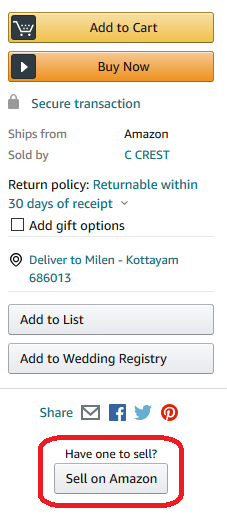
Note: Approval to sell Amazon brand gated products also depends on the seller’s performance on the online retail platform.
How to confirm if your product is brand gated on Amazon
The same process used to request approval to sell an Amazon brand gated product can be used to check whether your ASINs have been brand gated. This is all you need to do:
- Log in to seller central using an alternate account (not the one used by your brand)
- Navigate to the relevant ASINs
- Click the ‘Sell on Amazon’ button below the Buy Box
If you get the message “You need the approval to list in this brand,” it means that the product has been brand gated by Amazon.
Final thoughts
Amazon is actively tackling the counterfeit menace on its platform. The Amazon brand gating program is a decisive step to put an end to counterfeits on the platform. While the measures are bound to instill customer confidence and protect brands, small and medium-sized sellers may have been priced out of selling brand gated products on Amazon.
Other than brand gating products, Amazon also restricts sellers from selling in specific categories and sub-categories to protect consumers. You can read more about these restricted categories and products here.
Just ungating restricted categories do not guarantee profitability. Want to skyrocket your sales on Amazon? Try SellerApp and get your hands on actionable data to optimize every part of your Amazon journey. From product and keyword research to PPC management, SellerApp is guaranteed to make a difference. Start your 7-day free trial now!
The post The Ultimate 2023 Guide on Amazon Brand Gating appeared first on Amazon-ASIN Blogs - Latest from Amazon Sellers: News, Advice, and Effective Strategies.
]]>The post Best Amazon Inventory & Order Management Softwares appeared first on Amazon-ASIN Blogs - Latest from Amazon Sellers: News, Advice, and Effective Strategies.
]]>Whether coping with varying order amounts, satisfaction difficulties, or merely stocking the ideal quantities of merchandise, a fantastic stock management approach is crucial to helping you take action.
It can also help you better fulfill needs, ensure customer satisfaction and, then, increase your Amazon rating score and overall performance of your account — all things that mean more business in the long term.
If you have got poor organisational habits or systems, it is time to change this. There is just about no way you can triumph on Amazon in case you do not have a bit of help, so you stay on top of everything.
List of Amazon Inventory Management Tools
1. Skubana
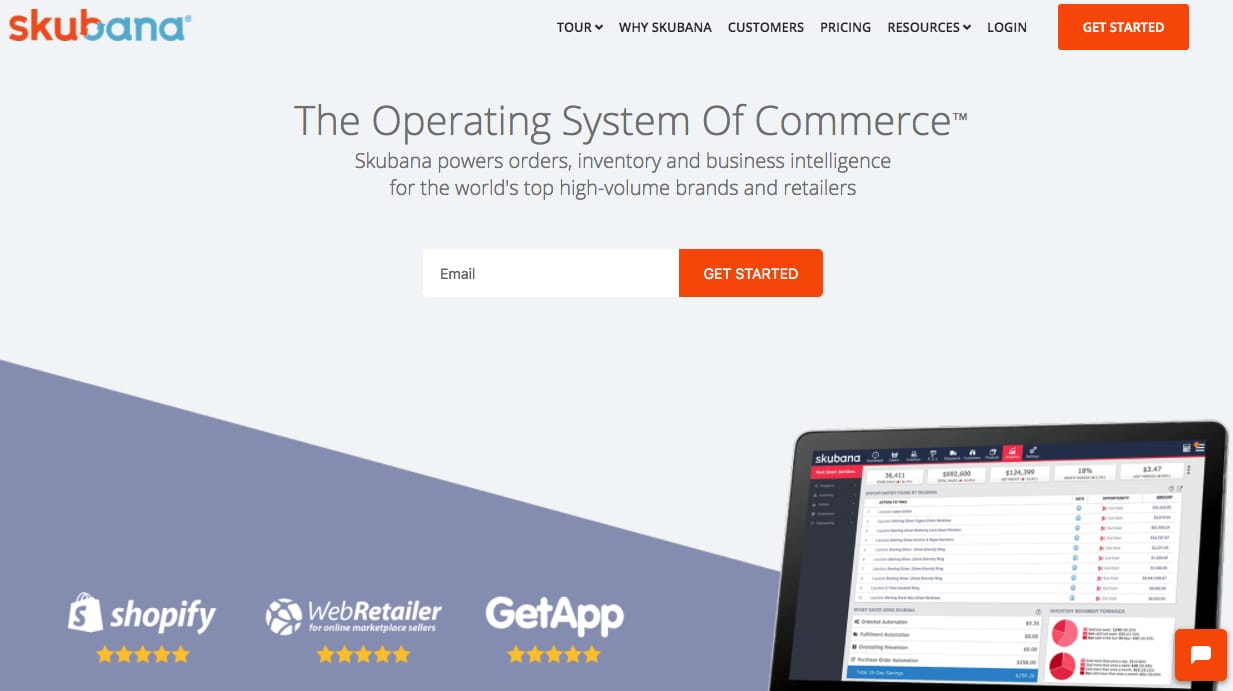
Skubana is a Multi-channel E-commerce stock software that will assist you to merge your company on Amazon, automate everything, find money-saving opportunities and, forecast crucial trends.
They provide eBay, Amazon, marketplaces and shopping carts One-Click integration, but you will need to do at least 1,000 orders daily to leverage Skubana’s power and company brains
2. Appath
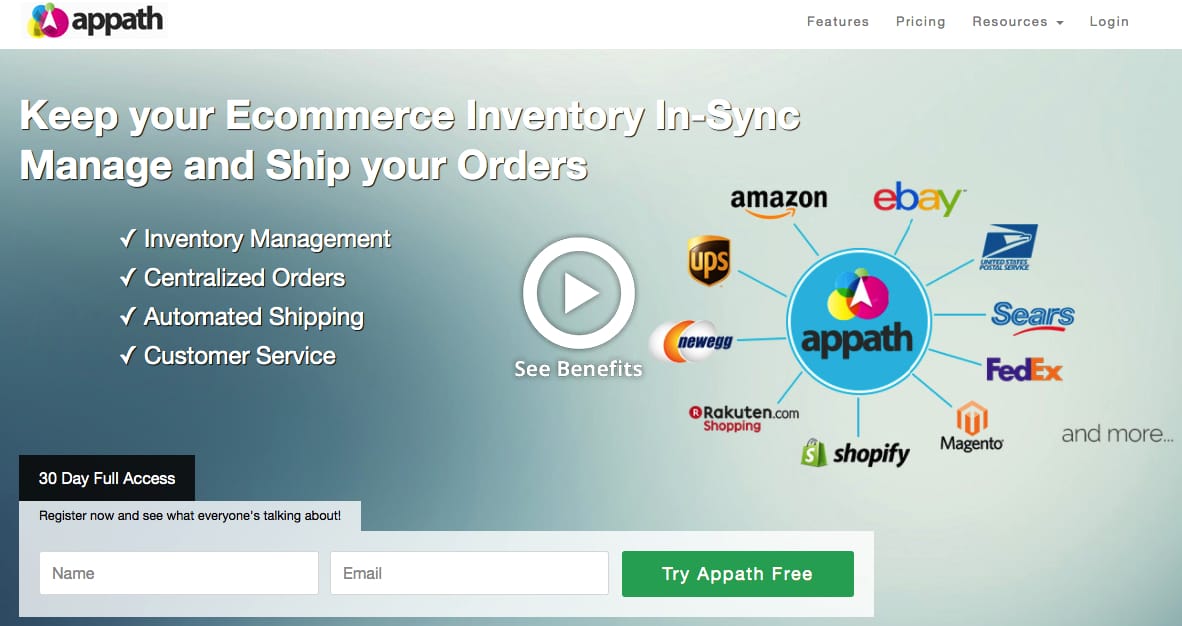
Appath is neat as it is cloud-based, providing you with the freedom to work anywhere and everywhere on earth. Connected with stores and selling avenues like Amazon, Shopify, Bigcommerce, Magento and, more. Updates product inventory quantities across every selling channel as an order is received — ensuring items stock is in sync, so a product is not oversold.
You may add users and assign them restrictions and special roles, creating your life a lot easier by being able to delegate. With a 30-day free trial, the ability to pay only for what you are using, and plans starting at $15/month, it’s hard not to give them a go.
3. Sellbrite
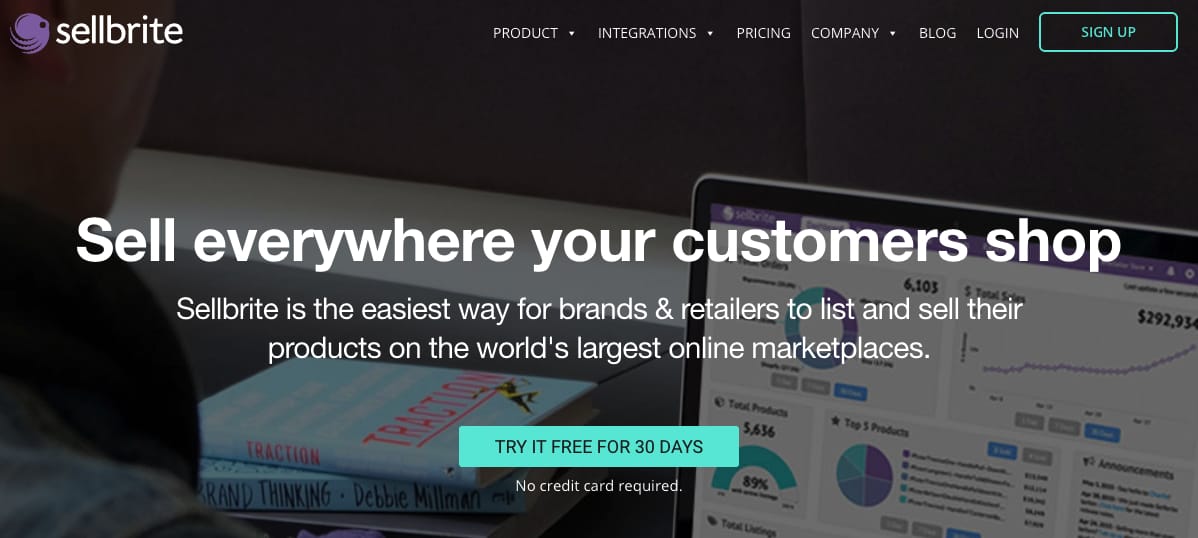
Sellbrite is an easy-to-use alternative that will help you build, manage and expand your company across several online sales channels — like Amazon, eBay, Walmart and, more – everything from a single, intuitive interface that you’ll enjoy using.
Sellbrite offers you a more intelligent method to create and manage listings, control stock, and fulfill requests across all your sales channels.
Sellbrite is flexible enough to match your business without custom setup or integrations, however robust enough to provide the qualities you expect.
4. Expandly
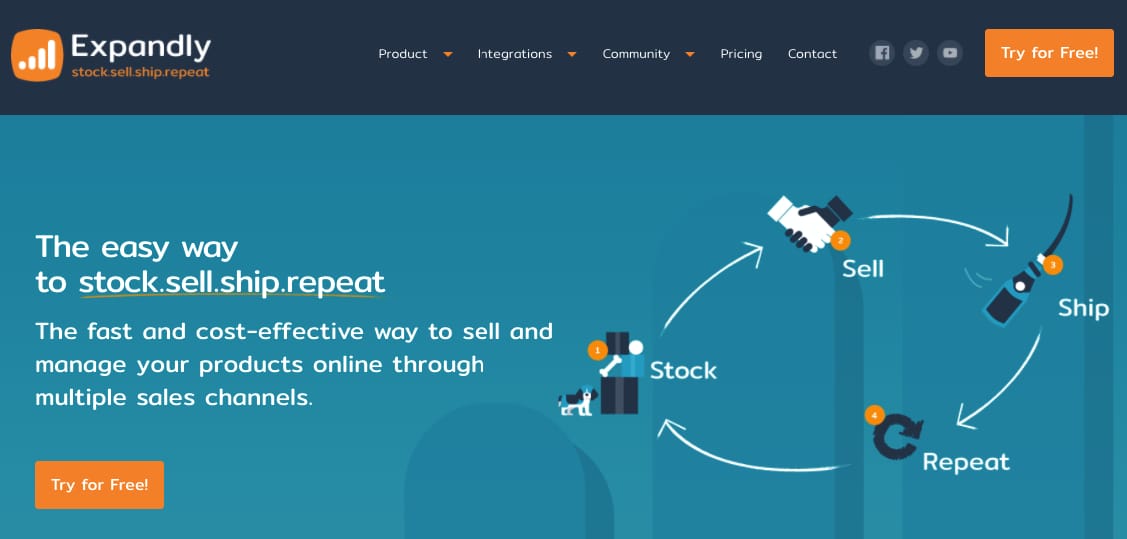
Expandly allows you to handle your own Amazon stock, orders, listings, coverage, alongside your other sales channels — all from one dashboard, and shipping tags. View your real-time inventory across marketplaces, quickly update stock levels, bulk print pick lists, and incorporate Amazon using Xero.
5. Forecastly
Forecastly is an FBA Stock replenishment tool Centered Prevention of Stockouts, on Supply Chain Efficiency. They use data to ascertain to purchase and when to purchase stock.
Forecastly utilizes its own algorithms to streamline the procedure, although it can be complicated to forecast the way to maintain your stock well-stocked. The drawback is it is only available for the USA, United Kingdom, Mexico, and Canada markets. However, they compensate for it with also a 20% discount along with pricing programs if you are billed.
6. Brightpearl
Brightpearl provides services to control customers, orders, stock and, financing in one system. Brightpearl also helps vendors obtain the efficacy and insight required to accelerate growth and gains through retail bookkeeping, multi-channel retailing (online and offline), and naturally — order management program.
Brightpearl is a whole operations system designed for wholesalers and retailers. Maximize your earnings using the improved Amazon inventory management applications of Brightpearl and unlock your earnings potential with FBA features that are purpose-built. Maintain your stock and exploit the energy of a single interface and enhance your earnings.
7. TradeGecko
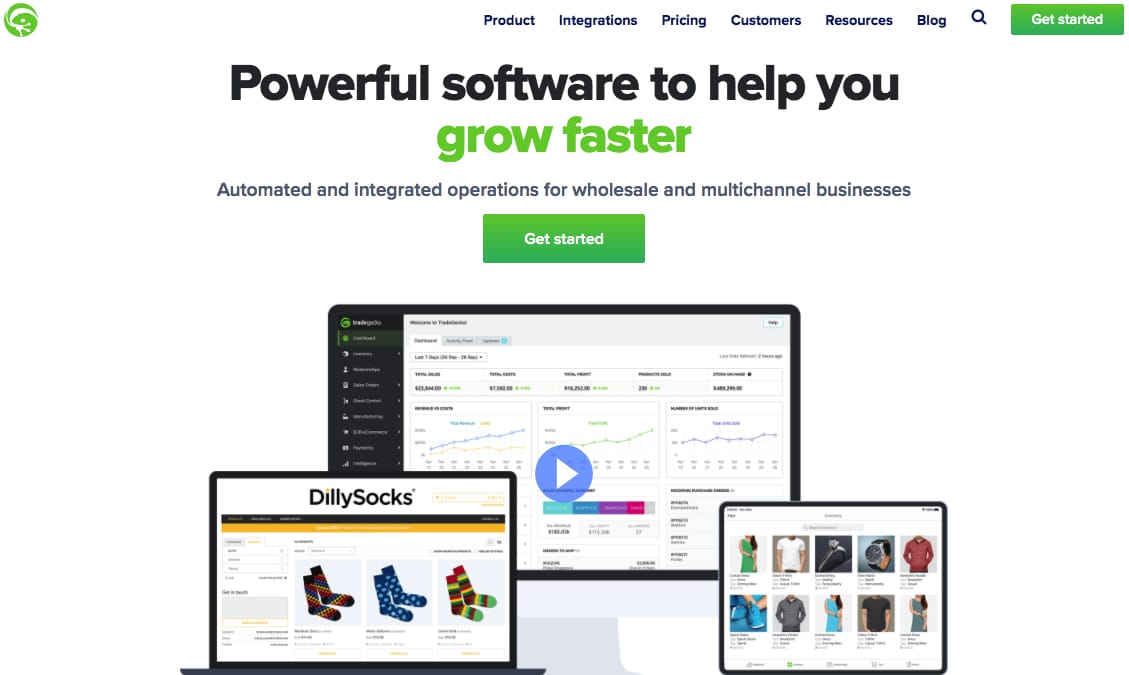
TradeGecko provides a strong trade platform for SMBs, helping eCommerce companies and wholesalers, vendors, allowing them to:
- Handle the Whole distribution chain ecosystem by Means of a complete, multi-channel stock & order management system
- Seamlessly integrate with leading eCommerce platforms, marketplaces, accounting options, warehouse management and fulfillment systems in real-time
- Make wholesale exceptionally personalized and electronic via a proprietary B2B eCommerce shop
TradeGecko provides Multi-Channel Revenue eCommerce, Order & Inventory Management, Operations & Integrations, Reporting & Analytics along with also a Mobile App.
They got a lot of free tools you can use to learn the finer points of selling such as webinars and eBooks, on Amazon.
Conclusion
Ordinarily, Amazon merchants are so centered around finding new items to sell on Amazon that they regularly disregard boosting the gainfulness of their current item set. It is simpler to support your organization’s benefit through appropriate stock administration than it is to do likewise through new item sourcing.
Viable order management (particularly over various channels) will guarantee you don’t come up short on items to sell when clients are hoping to purchase and your money is appropriately put resources into the correct items so you can continue turning stock over for a benefit.

Arishekar specializes in digital marketing, in addition to website keyword optimization for search engines. His areas of expertise include enhancing the organic ranking of webpages on search engines with innovative SEO strategies and online promotions.
The post Best Amazon Inventory & Order Management Softwares appeared first on Amazon-ASIN Blogs - Latest from Amazon Sellers: News, Advice, and Effective Strategies.
]]>