The post The Impact of Amazon Long Tail Keywords on Sales: From Clicks to Conversions appeared first on Amazon-ASIN Blogs - Latest from Amazon Sellers: News, Advice, and Effective Strategies.
]]>Long tail keywords are specific and detailed phrases that target a niche audience. They may have lower search volumes than generic keywords but often have higher conversion rates. Using long tail keywords effectively can attract highly targeted traffic to your Amazon listings and boost your sales.
This article will explore the importance of long tail keywords for your Amazon e-commerce business. We will discuss identifying relevant long tail keywords, optimizing your product listings with them, and driving organic traffic to your Amazon listings.
Don’t be left behind in the competitive world of e-commerce. Discover how leveraging Amazon’s long tail keywords can give your business a substantial edge. Get ready to unlock a world of potential for your e-commerce success on Amazon.
A quick peek into the article:
- What are Amazon Long Tail Keywords?
- Understanding the Importance of Long Tail Keywords for Amazon
- Benefits of Using Long Tail Keywords for Amazon
- How to Find Long Tail Keywords on Amazon
- Tools to Help You Find Amazon Long Tail Keywords
- Strategies for Using Long Tail Keywords on Amazon
- Optimizing Product Listings with Long Tail Keywords on Amazon
- Best Practices for Using Long Tail Keywords on Amazon
- Final Thoughts
What are Amazon Long Tail Keywords?
In Amazon , long tail keywords refer to highly specific phrases or combinations of words that cater to niche and detailed customer searches. Unlike broad and general keywords, which fall under short-tail keywords, long tail keywords offer a more targeted approach to product visibility. Understanding the unique context of Amazon is crucial to appreciating how long tail keywords can be harnessed for maximum impact.
Contrasting short-tail and long-tail keywords
The distinction between short-tail and long-tail keywords lies in their scope and specificity. Short-tail keywords are typically shorter, more generic phrases encompassing a broad range of products. While they may attract a larger audience, they often face higher competition. Long tail keywords, on the other hand, are longer and more detailed, honing in on specific attributes, features, or use cases. This specificity reduces competition and, in turn, allows sellers to reach a more targeted audience.
Examples of Amazon long tail keywords
To illustrate the concept, consider the difference between a short-tail keyword like “running shoes” and a long tail keyword like “women’s trail running shoes with arch support.” The former is broad, casting a wide net and potentially attracting users with varied intentions. The latter, however, is more specific and caters to a particular market segment—women needing trail running shoes with specific support features. Amazon long tail keywords thrive on this specificity, helping sellers connect with customers closer to making a purchase decision.
Examples of Amazon long tail keywords may include:
- “Stainless steel kitchen knife set with wooden handle.”
- “Organic hypoallergenic dog shampoo for sensitive skin”
- “Outdoor solar-powered LED string lights for garden decor”
Understanding the Importance of Long Tail Keywords for Amazon
The impact of long tail keywords on search engine algorithms
The dynamic algorithms that power search engines, including Amazon’s, are designed to deliver the most relevant results to users. Long tail keywords play a pivotal role in this equation by providing a level of specificity that aligns closely with user intent. Search engines recognize the detailed nature of long tail keywords. As a result, products optimized with these phrases are more likely to be deemed relevant, consequently enjoying higher placement in search results. Understanding and leveraging this impact is key to unlocking the full potential of Amazon long tail keywords.
Increased relevance and specificity in user searches
One of the primary advantages of long tail keywords is their ability to mirror how users express their needs in search queries. Customers are increasingly adept at formulating detailed and specific search terms to find precisely what they want. Long tail keywords facilitate this process by aligning with the nuances of user searches, making products more discoverable to an audience actively seeking those attributes. Focusing on specificity and relevance can help sellers improve user experience overall and boost conversion rates.
Conversion rate advantages of targeting long tail keywords on Amazon
The journey from product discovery to purchase is a critical aspect of e-commerce, and long tail keywords prove instrumental in this process. Users who employ detailed search queries are often closer to purchasing. As such, when sellers strategically incorporate long tail keywords into their product listings, they tap into a pool of customers with higher purchase intent. This boosts conversion rates and contributes to a more efficient use of advertising budgets, as there is a greater chance that the traffic will result in purchases.
Benefits of Using Long Tail Keywords for Amazon
Enhanced visibility in Amazon search results
The primary goal of any Amazon seller is to ensure their products are featured in search results, and long tail keywords are a powerful tool for achieving this objective. By targeting specific phrases that align with user intent, sellers can enhance the visibility of their products in search results.
Lower competition for long tail keywords
In the vast landscape of Amazon, the battle for visibility is intense, particularly for generic, high-traffic short-tail keywords. With their specific and niche focus, long tail keywords present an opportunity for sellers to bypass the fierce competition associated with broader terms.
Improved conversion rates and customer satisfaction
Long tail keywords attract a more targeted audience and contribute to higher conversion rates. Users who search with detailed and specific queries are often further along in the purchasing journey. By aligning product listings with these specific needs, sellers create a seamless experience for potential customers.
Building a more targeted and loyal customer base
The cumulative effect of employing long tail keywords is gradually constructing a more targeted and loyal customer base. By consistently delivering products that align with specific customer needs, sellers can cultivate a following of satisfied buyers. This targeted approach leads to repeat business and encourages word-of-mouth marketing as satisfied customers share their positive experiences with others.
How to Find Long Tail Keywords on Amazon
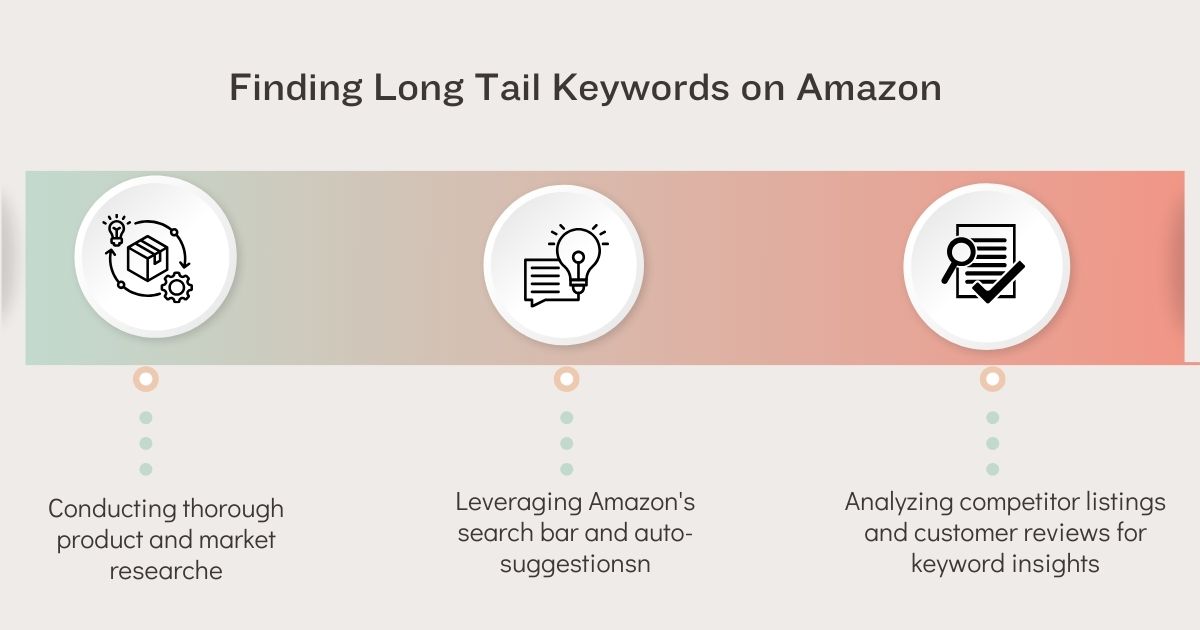
Conducting thorough product and market research
Before delving into the specifics of long tail keywords, conducting thorough product and market research is crucial. Understand your target audience, their preferences, and the unique features of your products. Identify key attributes, use cases, and distinctive qualities that set your products apart. This foundational research forms the basis for uncovering long tail keywords that resonate with potential customers.
Leveraging Amazon’s search bar and auto-suggestions
Amazon’s search bar is a treasure trove of insights into user intent. Begin your keyword discovery journey by typing relevant terms into the search bar. Take note of the auto-suggestions that appear as you type—these are often long tail keywords based on real user searches. The autocomplete feature reflects popular and frequently searched phrases, providing valuable clues about the language your target audience uses. Incorporate these suggestions into your product listings to align with user expectations and improve discoverability.
Analyzing competitor listings and customer reviews for keyword insights
Your competitors and their customer reviews offer a wealth of information about the market landscape. Analyze the product listings of successful competitors within your niche. Identify the keywords they emphasize and the language they use to highlight product features. Additionally, delve into customer reviews for insights into customers’ specific phrases when describing their needs or experiences with similar products. By understanding the language of satisfied customers, you can incorporate these terms into your listings to attract a similar audience.
Tools to Help You Find Amazon Long Tail Keywords
Amazon Keyword Tool (Seller Central):
- Overview: Amazon provides a native Keyword Tool within Seller Central, offering direct insights into customer search terms and their performance.
- Benefits: Real-time data from the Amazon platform, integration with Seller Central, and precise insights into customer search behavior.
SellerApp:
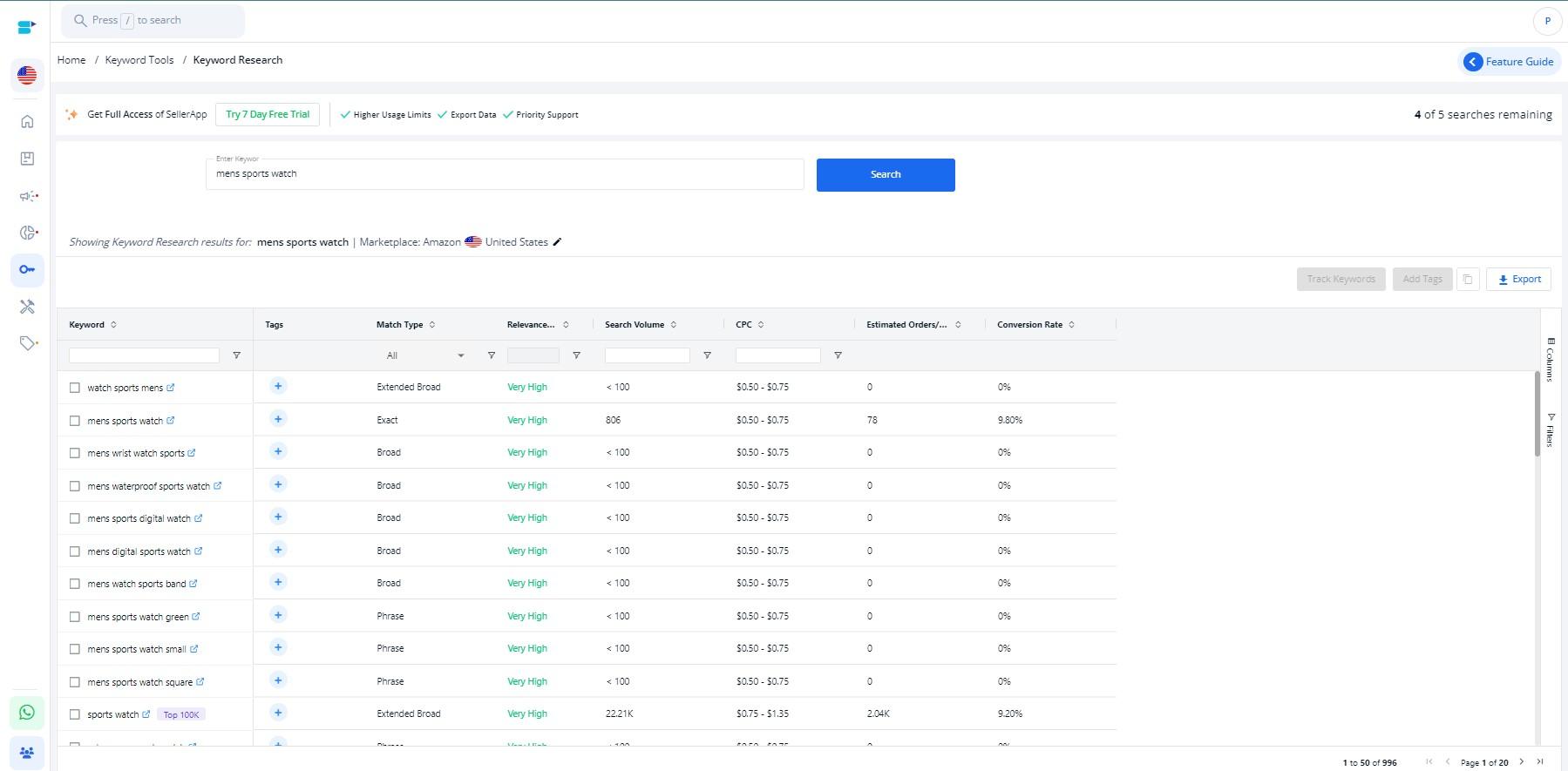
Overview: SellerApp is a third-party tool tailored for Amazon that provides comprehensive keyword research features. It offers insights into search volume, competition, and trends.
Benefits: Holistic keyword analysis, competitor tracking, and trend identification for strategic planning.
MerchantWords:
Overview: MerchantWords is renowned for its extensive Amazon keyword database. It aids sellers in uncovering long tail keywords by offering insights into search volume and related terms.
Benefits: Vast keyword database, trend analysis, and relevance to Amazon’s unique ecosystem.
Helium 10:
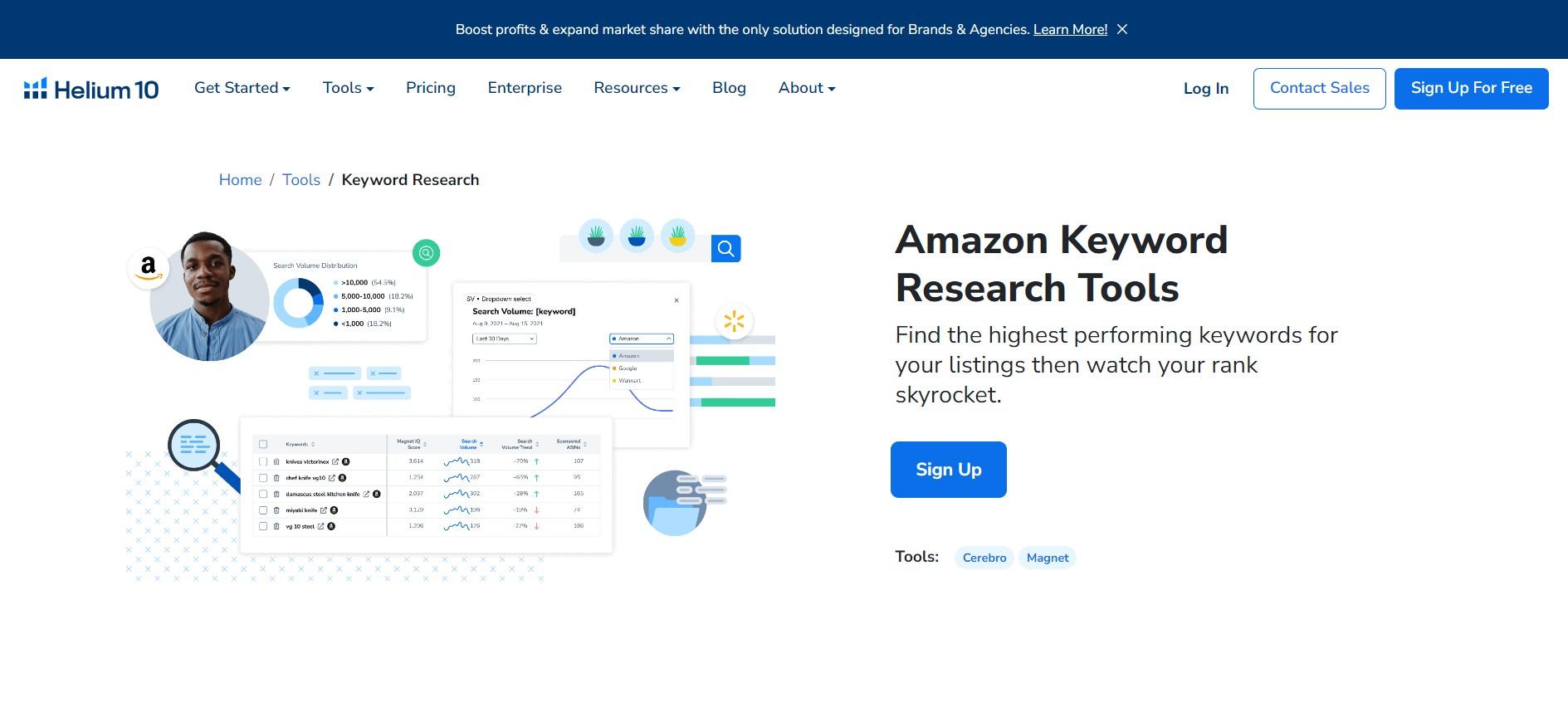
Overview: Helium 10 is a versatile tool suite encompassing various Amazon seller solutions, including keyword research. It provides insights into search volume, competition, and historical trends.
Benefits: All-in-one platform, precision in keyword research, and integration with other essential seller tools.
Strategies for Using Long Tail Keywords on Amazon
Incorporating Keywords into Product Titles, Descriptions, and Bullet Points
Product Titles:
Long tail keywords should be naturally integrated into your product titles to maximize visibility. Craft titles that are both keyword-rich and compelling to potential buyers. Ensure the most important and relevant long tail keywords are placed prominently within the title.
Product Descriptions:
Elaborate on the features and benefits of your products in the product description, naturally incorporating long tail keywords. Provide detailed information that aligns with the specific search queries of your target audience. Aim for a balance between keyword optimization and informative content.
Bullet Points:
Use Amazon bullet points to highlight key product features and details. This is an excellent opportunity to insert long tail keywords in a scannable format. Focus on addressing the unique aspects customers searching with long tail queries are likely interested in.
Utilizing Backend Search Terms Effectively
Backend Keywords:
Amazon allows sellers to input backend search terms that are not visible to customers but play a vital role in search ranking. Use this section to include additional long tail keywords relevant to your product. Ensure that you avoid redundancy with terms already used in your product listing.
Synonyms and Variations:
Include synonyms and variations of your primary long tail keywords in the backend. This expands the reach of your product, capturing a broader audience without sacrificing specificity.
Avoid Keyword Stuffing:
It is crucial to incorporate relevant keywords without resorting to keyword stuffing, as excessive use can have adverse effects on your search ranking. Concentrate on delivering valuable and meaningful content instead.
Creating Targeted and Relevant Ad Campaigns
Keyword-Driven Ad Campaigns:
Leverage Amazon’s advertising platform to create targeted campaigns based on your identified long tail keywords. Use Sponsored Products or Sponsored Brands campaigns to increase visibility for specific products.
Exact Match Campaigns:
Implement exact match campaigns for your most important long tail keywords. This ensures that your ads are displayed when users search for the terms you’ve identified as high-priority.
Monitor and Adjust:
Regularly monitor the performance of your ad campaigns and adjust your strategy based on the data. Identify which long-tail keywords drive the most conversions and allocate your budget accordingly.
Optimizing Product Listings with Long Tail Keywords on Amazon
Keyword Research:
Conduct thorough long tail keyword research using tools like SEMrush, Ahrefs, and Amazon’s Keyword Tool. Identify relevant keywords that are in sync with your product and strike a balance between search volume and competition.
Incorporate Keywords into Titles:
Craft a compelling product title that includes your primary long tail keyword. Ensure it is descriptive, enticing, and communicates the unique selling points of your product. Place the most crucial keywords towards the beginning of the title.
Optimize Bullet Points:
Utilize bullet points to briefly showcase key features and benefits. Insert long-tail keywords within these bullet points to cater to search algorithms and potential customers.
Enhance Product Descriptions:
Elaborate on the product’s features and advantages in the description section. While incorporating long tail keywords, maintain a narrative flow that guides potential buyers through the unique aspects of your product. Avoid keyword stuffing and focus on providing valuable information.
Backend Search Terms:
Leverage the backend search terms section to include additional long tail keywords that might not fit into the visible portions of your listing. Ensure these terms are relevant, specific, and not repetitive.
Optimize Images and Videos:
Include high-quality images and, if applicable, videos that showcase your product in action. While Amazon’s algorithm may not directly interpret visuals, a visually appealing listing can enhance the overall user experience, which could result in increased conversion rates.
Utilize A+ Content (Enhanced Brand Content):
If you have access to A+ Content, use it to create visually appealing and informative content that complements your product listing. This allows you to elaborate further on your brand story, features, and benefits using additional long tail keywords.
Monitor and Iterate:
- Monitor important metrics like click-through rates, conversion rates, and sales performance. Iterate your strategy based on the data, refining your long tail keyword usage for continual improvement.
Importance of Maintaining a Natural and User-Friendly Product Description
User Experience is Key:
While optimization is crucial, always prioritize the user experience. A natural and user-friendly product description enhances readability and ensures potential buyers can easily grasp your product’s value.
Avoid Keyword Stuffing:
Resist the temptation to excessively insert keywords to the point of disrupting the flow of your content. Keyword stuffing not only hampers readability but can also have a negative impact on search rankings.
Craft Compelling Copy:
Focus on creating copy that resonates with your target audience. Use language that speaks directly to the benefits of your product and how it addresses the specific needs of customers using long-tail keywords seamlessly.
Best Practices for Using Long Tail Keywords on Amazon
Regularly Updating and Refining Keyword Strategy
Stay Agile with Market Trends:
E-commerce is dynamic, and consumer preferences evolve. Regularly update your long tail keyword strategy to align with changing market trends, seasonal demands, and emerging product features.
Monitor Competitor Strategies:
Monitor your competitors and their keyword strategies. Identify new keywords they may be targeting and assess the effectiveness of their approaches. This ongoing analysis can provide insights for refining your strategy.
Adapt to Customer Feedback:
Act on customer feedback, reviews, and inquiries. Customer insights can reveal new long tail keywords or highlight specific features that resonate with your audience. Use this information to refine your keyword strategy and product listings.
Monitoring and Analyzing Performance Metrics
Key Metrics to Track:
Regularly monitor key performance metrics, including click-through rates (CTR), conversion rates, and sales. Analyze which long tail keywords are driving the most engagement and conversions. Tools like Amazon’s Seller Central and third-party analytics platforms can aid this analysis.
Evaluate Customer Search Terms:
Review customer search terms reports provided by Amazon. Analyze the actual terms customers are using to find and purchase your products. This data can uncover hidden gems and inform adjustments to your long tail keyword strategy.
Final Thoughts
In the vast landscape of Amazon, the judicious use of long tail keywords emerges as a linchpin for success. Through meticulous placement in product titles, descriptions, and backend search terms, sellers can enhance discoverability and align with customer intent. A seller can craft a resilient strategy by leveraging powerful tools such as SellerApp and staying vigilant about performance metrics and market dynamics.
Long tail keywords cease to be mere tools—they transform into strategic assets. These assets drive visibility and resonate with the audience, fostering sustained growth. The journey on Amazon is dynamic, and in this dynamism lies the opportunity to adapt, optimize, and elevate your products to unprecedented heights. As you navigate this terrain, remember: long tail keywords aren’t just a means; they are the pathway to triumph in the competitive world of e-commerce.
The post The Impact of Amazon Long Tail Keywords on Sales: From Clicks to Conversions appeared first on Amazon-ASIN Blogs - Latest from Amazon Sellers: News, Advice, and Effective Strategies.
]]>The post Elevate Your Content Strategy with This Keyword Research Checklist appeared first on Amazon-ASIN Blogs - Latest from Amazon Sellers: News, Advice, and Effective Strategies.
]]>1. The Foundation: Understanding Keywords
To begin, one must clearly understand what keywords are and how they function. Keywords are words and phrases that the users employ to search for information online. They serve as the bridge between your content and your audience. Conducting thorough keyword research is the first step toward unlocking your content’s potential.
2. The Art of Keyword Selection
The art of keyword selection wields immense power. The pivotal task commences with a thorough comprehension of the target audience and the discernment of their search intent. Building a comprehensive list of keywords requires a meticulous selection process, emphasizing relevance to the content’s subject matter and resonance with the audience’s demands and preferences.
Keyword research tools play a vital role in this endeavor, helping unearth hidden gems and potential focal points for content creation. The chosen keywords become the building blocks of SEO, establishing the content’s presence in the digital realm. A strategic and well-researched keyword selection can elevate a piece of content, ensuring it not only captures the audience’s attention but also aligns seamlessly with their quest for information, products, or services.
3. Competitor Analysis
Comprehending one’s competition stands as a pivotal factor in achieving success. Identifying key competitors and conducting an in-depth analysis of their keyword strategies proves essential in unearthing potential voids and prospects within the niche. By scrutinizing their approach to keywords, businesses gain invaluable insights into the tactics that propel their rivals forward. This examination unveils not only the keywords they prioritize but also their ranking and content strategies. Furthermore, it allows for the identification of untapped keyword opportunities and the crafting of a more strategic approach. In this landscape of digital warfare, competitive analysis is the compass that guides businesses toward victory in the battle for online supremacy.
4. Long-Tail Keywords: The Hidden Gems
While broad keywords are valuable, long-tail keywords often hold hidden potential. These are longer, more specific phrases that may have lower search volumes but can drive highly targeted traffic. Incorporate long-tail keywords strategically into your content.
5. Keyword Tools: Your Arsenal
Keyword research tools form an essential arsenal for digital marketers and SEO practitioners. Among these, the Google Keyword Planner, SEMrush, and Ahrefs stand as formidable aids in deciphering the digital landscape. They unveil invaluable insights into keyword search volumes, competition levels, and emerging trends. These tools serve as compasses, guiding strategists through the labyrinthine world of online content optimization. Their data-driven revelations empower professionals to make informed choices, directing their efforts towards the most promising keywords. With the ever-evolving online terrain, the mastery of these tools becomes crucial, enabling marketers to refine their keyword selection and craft campaigns that resonate with the digital audience.
6. Content Optimization
Upon the selection of keywords, the next crucial step is content optimization. The art lies in seamlessly weaving these chosen keywords into the content, maintaining a natural and harmonious flow. Striking this balance is essential to avoid the detrimental effects of keyword stuffing, which can undermine your SEO endeavors. Content optimization extends beyond mere keyword placement; it encompasses structuring the content logically, utilizing relevant headings, and providing valuable information to readers. Crafting engaging, informative, and user-friendly content not only pleases search engine algorithms but also ensures a satisfying experience for your audience, ultimately enhancing your website’s visibility and authority in the digital landscape. Pay attention to content originality, readability, and fluency. If it lacks any of these elements, rephrase it with the AI paraphraser to get the job done.
7. Crafting Captivating Headlines
Crafting captivating headlines stands as the crucial gateway to engage your audience. These magnetic phrases wield the power to instantly draw readers in, but they must also embody the essence of your content. Striking a balance between intrigue and accuracy is paramount. Incorporating relevant keywords seamlessly into your headlines not only enhances search engine visibility but also ensures your message aligns with audience expectations. Much like a skilled storyteller weaving a spellbinding narrative, your headlines should spark curiosity, invoke emotion, and promise value. In this digital age, where information floods every corner, mastering the art of crafting captivating headlines is the key to captivating the hearts and minds of your readers.
8. Quality Content is King
Keywords, while important, cannot salvage the throne for subpar offerings. It is imperative that content exudes informativeness, engagement, and value, bestowing upon the audience a royal experience. The algorithms orchestrated by Google, the digital monarch, are known to favor and uplift such regal content. User engagement metrics serve as vigilant sentinels, guarding the citadel of rankings. As users interact, share, and linger in the content’s embrace, it ascends the stairway to digital prominence. Thus, the kingdom of cyberspace recognizes the sovereignty of quality content, where words and relevance hold the scepter, guiding websites towards the coveted crown of success.
9. Monitor and Adjust
The digital landscape is dynamic. Regularly monitor the performance of content using analytics tools. Identify which keywords drive traffic and conversions, and be prepared to adjust your strategy accordingly.
10. Stay Current with Trends
Keyword trends change over time. Keep a watchful eye on industry trends and adjust your keyword strategy to reflect current interests and developments in your niche.
11. Mobile Optimization
With the increasing use of mobile devices for web browsing, optimizing for mobile is no longer optional. Ensure your content is responsive and mobile-friendly to reach a wider audience.
12. Local SEO Considerations
If your business has a local presence, prioritize local SEO. Incorporate location-based keywords to attract nearby customers.
13. Backlink Strategy
Incorporate a backlink strategy to enhance your content’s authority and credibility. High-quality backlinks from reputable sources can significantly boost your search rankings.
Conclusion: Elevate Your Content Strategy
A robust content strategy is your ticket to success in the digital realm. A practical keyword research checklist is the cornerstone of this strategy. By understanding the intricacies of keywords, selecting the right ones, and consistently optimizing your content, you can elevate your content strategy and achieve higher visibility, engagement, and, ultimately, success in the competitive world of digital marketing.
The post Elevate Your Content Strategy with This Keyword Research Checklist appeared first on Amazon-ASIN Blogs - Latest from Amazon Sellers: News, Advice, and Effective Strategies.
]]>The post E-commerce Keyword Research: A Beginners Guide appeared first on Amazon-ASIN Blogs - Latest from Amazon Sellers: News, Advice, and Effective Strategies.
]]>Let us quickly examine some fascinating stats.
- 37.5 percent of traffic to e-commerce websites comes from search engines (SEMrush).
- 23.6 percent of e-commerce orders are directly connected to organic visitors (Company Insider).
Let us dip into the technical approaches in the modern guide.
Importance of Keyword Research
A keyword analysis is the foundation of every e-commerce SEO campaign. Because keyword research informs each other SEO-related activity, you do on your site. Without keywords, it’s not possible to optimize your website.
List of keywords influences your technical SEO too. That is because your site architecture and URLs will need to take keywords into consideration.
Since you can observe, keyword research is a VERY major deal for your eCommerce site.
And here’s exactly how to locate untapped keyword search terms that your customers search for… and also how to choose the best keywords for your website.
Best ways to find keywords for Product and Category Pages
Most keyword research tutorials give attention to “informational keywords”.
Informational keywords are type of search terms that people type into search engines to detect helpful “howto” content.
(Like “How to make coffee beans into powder”)
While informational keywords have their place within e-commerce, the vast majority of your website’s keywords will be customized around product searches.
(Like “Coffee Beans”)
Meaning you will need to tackle keyword search together with product-focused keyword phrases in mind.
Here’s precisely how to take action:
1. Amazon
Yes, Amazon might be your competitor. Nonetheless, it is also the most excellent e-commerce site on the web… helping to make it a items’s keyword gold mine.
Here is the Way to tap into Amazon for keyword study:
First, go over to Amazon and input a keyword that explains one’s merchandise.
Whenever you’re doing this, Amazon will list hints on this keyword.
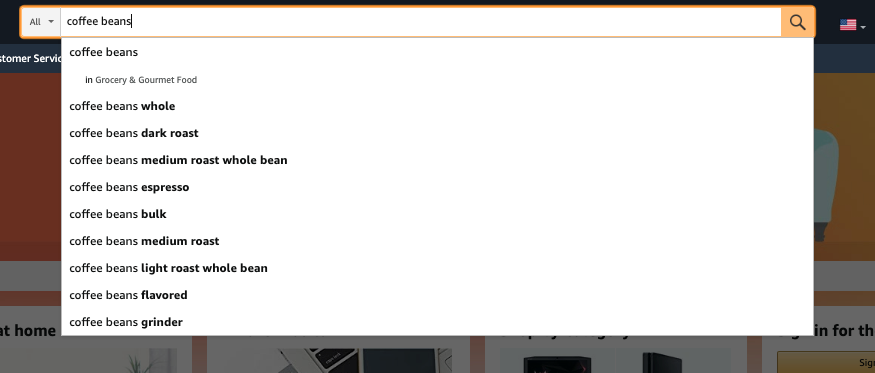
The keywords Amazon suggests are normally quite targeted (also referred to for so long-tail keywords ). Not just do long-tail keywords tend to convert a lot better compared to briefer terms. However, they are usually less competitive too.
Rinse and repeat your primary services and products on your website.
Pro Suggestion: Amazon will sometimes indicate categories over the keyword suggestions. All these create great search phrases to utilize for pages.
2. Wikipedia
Wikipedia is amongst the best regions to find keywords for the category and product pages.
That is why, Much like with category pages on your eCommerce competitor sites, Wikipedia organizes things by keywords and categories. Entirely only: they’ve done the work for you!
Let’s look at an example of ways to use Wikipedia for e-commerce research.
Firstly, Enter a keyword that describes a product or category your site sells:
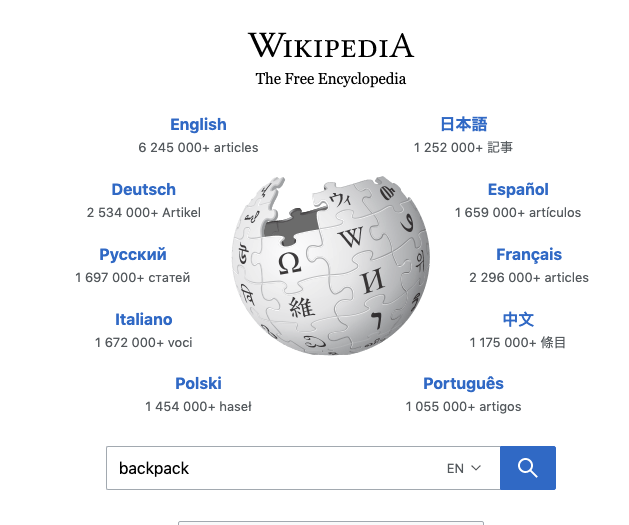
Then scan the Wikipedia entry to phrases and words that make feel for the products you have on your website:
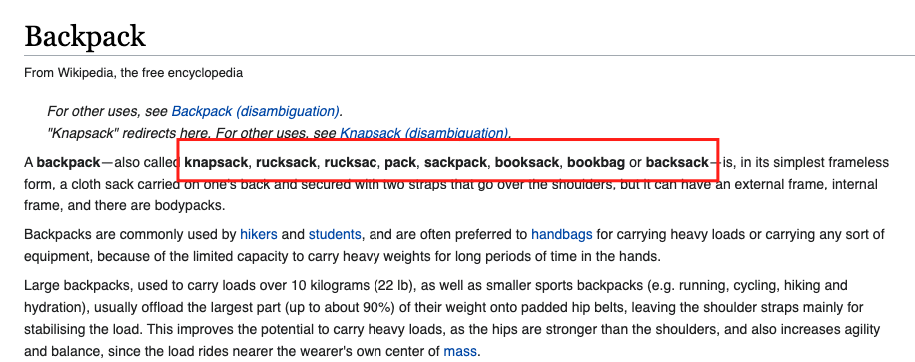
Make sure you have a look at the contents box. These will occasionally reveal excellent category page keywords.
When you’ve drained Wikipedia’s keyword suggestions, it’s time to proceed with one of my favorite tool: SellerApp keyword search tool.
3. SellerApp
SellerApp keyword research provides details about the high search volume of keywords and the purchasing intent of Amazon users. It helps topping up this game, by using the right keywords, you can be at the top organic ranks and get the best positions for your ads.
To use it, Type in the main keyword that describes your product
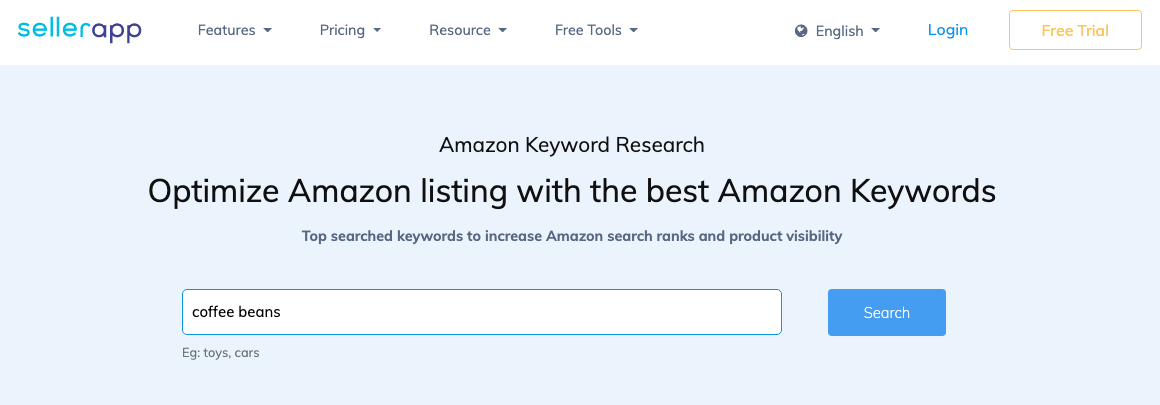
Click on the Search button to get best keywords list for your product, And it will spit out dozens of keyword suggestions.
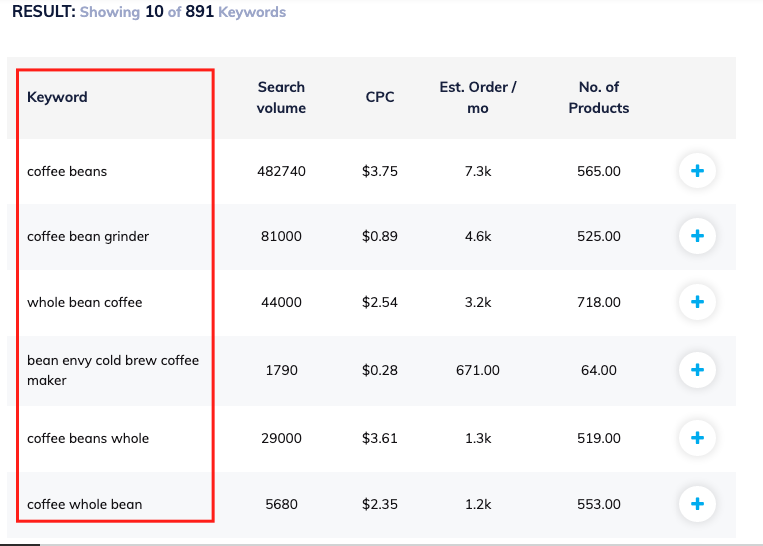
Yup, this tool makes finding longtail keywords from Amazon Suggest significantly faster. However, in my own experience, it gives you more keyword ideas too.
4. Google Keyword Planner
Lastly, we have the excellent Google Keyword Planner.
Even though the GKP can be a halfway good KeywordTool, it’s not very good to generate unique keyword notions.
For Instance, if you enter a category webpage keyword such as “organic pet food” into the GKP, it spits out super-close variations of this term:
That said, if you are doing some digging, you can get some stone which aren’t straight-up variations of this keyword you typed in.
Because the Google Keyword Planner will not generate a Whole Lot of unique keywords, I suggest using it to assess search quantity.
How to choose the best keywords for your eCommerce website?
Since You have a list of Possible keywords In Hand, you Are probably wondering.
Which keywords should you choose?
The clear solution? Make use of this 3-step checklist to recognize the very best keywords for your e-commerce website.
1. Search Volume
All Things Considered, If no one looks for this keyword, it doesn’t matter how hard it converts or the Way competitive Google’s first page happens to be.
There isn’t any way for me personally to give you special search volume tips. In a few industries, 100 searches monthly is A LOT. In others, 10k monthly searches are nothing.
You’ll get an idea of just what a “high volume” and “low volume” keyword is to get the industry through the years.
To locate the search volume for a given keyword, pop it into the GKP. You’ll discover the range of searches in the “Avg. monthly searches” column.
Pro Suggestion: Some keywords have HUGE seasonal variations. You are going to get more searches for “ugly Christmas sweaters” in December than in June. But there are plenty of non-seasonal search phrases which have peaks and valleys all over the world. For example, the keyword “organic pet food brands” has 4x more searches in April than December.
2. Filter keywords related to your product
This is a major one. Let us say you get a keyword that gets tons of searches. Must it be a winner, right?
Well…not really.
That is because the keyword may not be a great fit well in what your site sells.
If the keyword you pick is even a small bit of a stretch in contrast to what you have on the market in your e-commerce site, people that hunt for this term are not going to convert.
Before you move onto the following two stages in this technique, double-check that the keyword you’re considering fits your website, such as a glove.
3. Competition
In the end, it is the right time to understand how hard it’ll be to crack Google’s SERP page.
Here is how:
You’re able to get a keyword’s difficulty score in the SellerApp keyword planner by simply entering a keyword into the search field…
This metric provides you with a good idea of how competitive a keyword is to rank for.
Additional Read:
Amazon SEO: A Complete Guide for Ranking your Listings
The post E-commerce Keyword Research: A Beginners Guide appeared first on Amazon-ASIN Blogs - Latest from Amazon Sellers: News, Advice, and Effective Strategies.
]]>The post How To Attract Buyers With Amazon’s Enhanced Brand Content appeared first on Amazon-ASIN Blogs - Latest from Amazon Sellers: News, Advice, and Effective Strategies.
]]>If you’re fairly acquainted with Amazon, you might also be aware that A+ content is otherwise referred to as Amazon EBC content. Even though both the names have now been unified to be read as Amazon A+ Content, the idea is identical whether you’re a seller or vendor.
Does Amazon EBC support indexing?
A recent study has identified that compared with product description, A+ content adopted by sellers and vendors offering Amazon EBC service doesn’t carry any indexing. Keywords included in the available image and text options failed to come out with any search results.
Nonetheless, A+ content related images and text do still get indexed by Google which will help your product feature in the SERPs. Since A+ content results in increased conversion you may expect your brand to secure improved rankings.
How can Amazon A+ content be productively used to attract buyers, boost conversions, and minimize returns?
Here is how Amazon A+ content can be effectively put into practice.
- You can highlight the unique value proposition of your brand
When it comes to content marketing, it’s vital to talk about the potential benefits your products can provide to your customers. Your content should also highlight the problems, needs, or wants your product can solve. The supplementary images and text present in the A+ content are perfect to showcase the qualities that make your product unique and useful.
You can offer useful information about products that help make buying decisions
As far as more significant purchases are concerned, customers need full information about the product they might be interested in purchasing. Providing the most optimal, appropriate product details can:
- Speed up the purchasing process as prospects can gain an understanding that the product you’re offering is precisely what they’ve been asking for.
- Manage customer expectations by informing them about what exactly they are going to get after making the purchase.
- Depict and project appropriate and in-depth product information to customers, to help them make a well-informed buying decision.
- You can eliminate complexity from your content and make it easily readable and intelligible
This is particularly applicable to products that constitute several features and functions. This sorts out various needs right away. Images, videos, and a well-defined custom copy can help customers genuinely realize such products’ usefulness.
- You can answer the most commonly asked customer queries and questions

While offering Amazon EBC service, you must scrutinize the content by giving customer comments, reviews, and questions a once-over in your product listing. A+ content is a great way to clear the doubts transparently. This sends out an impression to customers that as a seller/vendor, you’re addressing their concerns even before they could express them.
- You can make a distinction of your product from the competition
It goes without saying Amazon is an extremely competitive marketplace. Over time it has become increasingly difficult to get hold of products that offer a significant margin or a niche that doesn’t have many sellers. One unique way to attract attention is via visually engaging content marketing which perhaps only Amazon A+ content comes up with at the moment. Moreover, getting the most out of Amazon EBC service means you can pull down a few of the ads for your product listings that are currently displayed on Amazon. By doing so, you ensure there isn’t much distraction to the customers by the competition.
One useful tip
The Comparison Chart Module on Amazon is useful and can produce effective results. If the current listing isn’t actually what the customer was looking for, you can use this module to promote other products from your selection. This will eliminate the likeliness of customers purchasing from another seller.
However, keep in mind, even if you lay out your own products’ comparison chart, Amazon reserves the right to put in an extra comparison with similar products from the competition. This will compel the customers to scroll to the end and will take longer to browse your products.
- You can put your brand story into words
Undoubtedly, price is one of the most powerful factors that influence a well-informed purchasing decision. In addition, a captivating brand story makes sure the balance swings in your favor and attracts potential customers. Also, you might be offering support to underprivileged communities to earn their livelihood. It’s always a good idea to make your brand’s history public so that visitors know what values your brand holds.
So, a detailed, well-written brand story provides assurance about the quality of the products the brand offers. It’s crucial that your customers grasp your brand’s worth, especially when your products are high-priced on a platform that is recognized for its bargains. The Amazon A+ content section turns out to be the most suitable place to narrate a product-related story and how it directly helps in making a favorable impact.
- You can increase customer engagement
Even though online shopping is a norm today, it still lacks the critical facet of physical interaction between the product and customer. For instance, when you buy a fridge from an e-commerce store, you can’t check the appliance by actually opening its doors, pulling out its drawers, looking at the freezer, or estimating the space it offers.
But, images and videos somewhat help in conjuring up a real-life experience with the purpose of bringing the customer to the product without having to actually visit a store. These visual imageries bring forth customer involvement beyond what’s feasible by the limited number of available images and text in a regular product listing.
How to design A+ Content that attracts buyers and augments conversions?
Sellers should make the most of adding enhanced brand content to their product listing for appealing to prospective buyers and multiplying conversions. However, this objective can’t be fulfilled through the simple inclusion of some images and plain text. The content needs to flow lucidly and convince customers. Here are a few helpful tips to design and develop Amazon A+ content best practices.
- Make the content appear as a landing page
The most appropriate means to ensure readers acquire sound knowledge of your A+ content is to make them visualize it in the form of a landing page. This strategy helps convince your customers that your product is ideal for their needs and will meet their expectations. Subsequently, it compels them to click on the “Buy” button.
- Present your content in the form of a journey
In this connection, you need to decide the things your customers should see first and will act upon. Making sure the whole product viewing experience ends on an exciting, positive note. Also, it’s equally important that the content has a decent flow. Make sure the custom copy you generate is in correspondence with your represented images.
- Put more focus on relatively important factors
Random photos and text, even if they look nice, don’t create any additional value. Consequently, your aim to reach out to potential buyers may not succeed. Each section of the Amazon EBC service you furnish should hinge on specific points you’d like to express. These are primarily focused mentions of product features that are beneficial to customers. Thus, your products’ A+ section should prioritize clear and concise content.
- Remain inside your brand guidelines
Amazon offers a very limited scope for branding. So, A+ content has to be very informative to let customers gain an in-depth idea about your brand. Please make sure the colors and fonts complement your brand and amplify its prominence.
The post How To Attract Buyers With Amazon’s Enhanced Brand Content appeared first on Amazon-ASIN Blogs - Latest from Amazon Sellers: News, Advice, and Effective Strategies.
]]>The post Amazon SEO Growth Guide with Strategy, Tips & Examples appeared first on Amazon-ASIN Blogs - Latest from Amazon Sellers: News, Advice, and Effective Strategies.
]]>Are you facing difficulties to increase your rankings on Amazon?
Here, is the mantra to come out from these i.e., Amazon SEO strategy. It will help you to skyrocket your sales by increasing its ranking on Amazon. As we all know the higher the product ranking, the more profitable for the sellers. All we want is your product/ website to appear on the first search engine results page. We will see in this article about the step-by-step guide to Amazon SEO and ranking optimization in 2020.
This comprehensive article is divided into two sections as follows,
Section1: Understanding Amazon SEO
Section2: How to optimize your product listing for Amazon SEO?
Section 1: Understanding Amazon SEO
Once we will move to Amazon SEO, a few questions will be raised in your mind; What is an Amazon SEO? What about its ranking algorithm? Let’s have a basic discussion on these.
What is an Amazon SEO?
Sellers want to appear their products at the top of the Amazon search results which can be possible only by Amazon SEO optimization for the product listings. Amazon SEO means when customers search by entering keywords, they must be able to find your products (which is relevant to that keyword) before they can buy your products. The entered keywords will be matched against the information (title, description, etc.) you provide for a product then your search locates relevant products on Amazon.
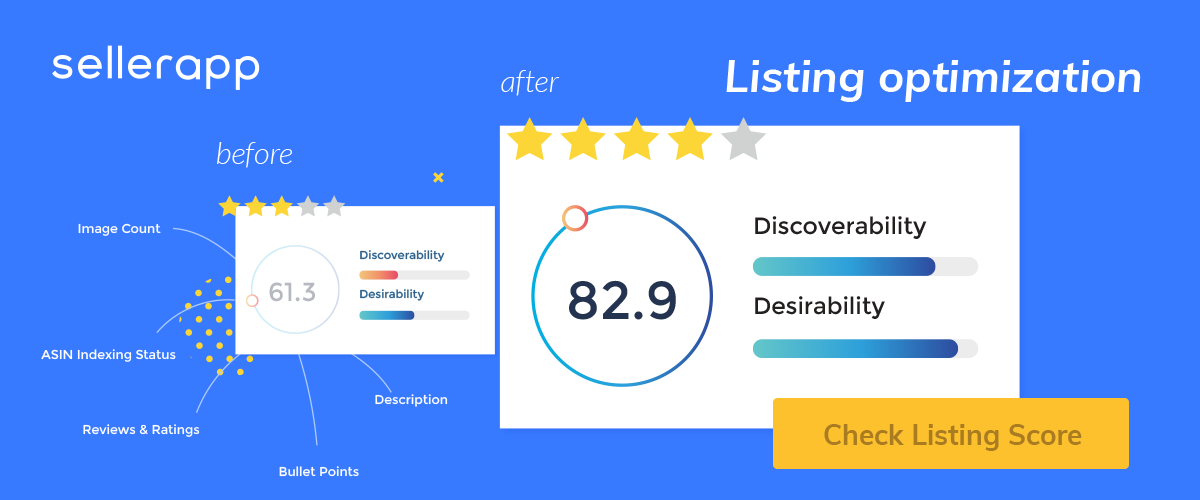
As you know people mainly click on the results which appear on the first few pages in Google search. Similarly, customers will go to the first few products shown in the Amazon search. That clearly means the product rankings on Amazon are the most important success factors for your business and this ranking of a product is decided by an algorithm called “A9 Algorithm”. You can learn more about Amazon Sales Rank.
How Does the Amazon Ranking Algorithm (A9) Work?
There are millions of products available on Amazon and buyers have to choose from them. For which, buyers perform hundreds of millions of search queries on Amazon every month.
And, for every single search query, Amazon has very little time to decide which products will be shown at top position or decide their display sequence among hundreds of millions of products.
Amazon Ranks Products Based on Purchase Likelihood
Amazon sales basically conduct between 3 parties i.e.,
- A buyer
- A seller
- The Amazon.
When a buyer comes to Amazon, ṭhey only want to buy by searching a relevant keyword of the product. The searching mechanism is the same as Google. When a user types a product, say “iPhone” into Google. By seeing only it is not clear what is that user needs. The user might want to buy an iPhone, but he might also just be looking for an image of an iPhone to use in a presentation. There are many probabilities that occur for a search.
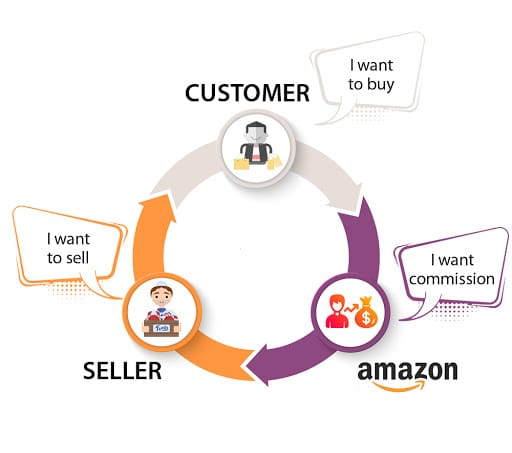
But, there are below queries will be occurred by all 3 parties on Amazon i.e.,
- Buyers Query: Only one intent behind every search query is buying the product.
- Sellers Query: Sellers use Amazon for only selling the products.
- Amazon: Amazon wants to generate revenue, but Amazon will only make money if a sale takes place. It will take a 15% commission from Sellers.
Above all three parties have a common aim i.e., they all want a transaction to take place. Furthermore, Amazon wants to increase the number of transactions and for that, it will offer the Amazon Sales Rank concept for every single search query. We can say that Amazon has to rank all products by purchase likelihood.
How does Amazon determine purchase likelihood?
All the search results appear within a second for the user, but behind the scenes, the verification of purchase likelihood is a very complex challenge. Each search query has to go through hundreds of millions of products and hundreds of millions of search queries.
Example: If a search query happens is “iPhone” then an iPhone might have a very high purchase Instead of via search query “smartphone”.
As a consequence, Amazon has to determine the purchase likelihood not just for every product, but for every combination of product and search query.
Amazon follows a two-step process to rank products.
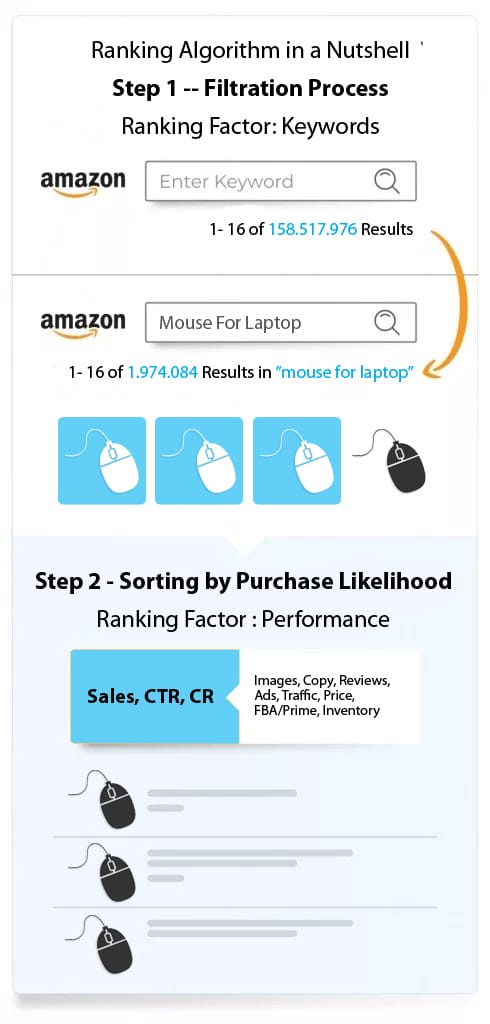
Step 1: Keywords Determine If your Product Ranks on Amazon at All
In the very first step, Amazon filters out all products which are irrelevant to the customer search query. It filters out on the basis of searched keywords. If a product does not contain all keywords of the search query, it cannot appear in the search results.
This step is important because it reduces the number of products that Amazon needs to sort by purchase likelihood.
Step 2: Performance Determines HOW HIGH Your Product Ranks on Amazon (On Which Position)
In this second step, Amazon finds out the purchase likelihood for the remaining products and then ranks them in a specific order i.e., Amazon ranking. For this ranking, Amazon checks the performance of the products.
The measurement of product performance is done by CTR (click-through-rate in search result), CR (conversion rate on the product page), and especially sales. These three parameters are the very significant KPIs for Amazon since they represent the steps that users need to take to buy a product.
These KPIs are measured on the basis of the keyword-specific level. For example, the keywords “iPhone” and “smartphone” have different CTRs, CRs, and sales. That means the better your CTR, CR, and sales are for a specific keyword, the higher your product will rank for this keyword.
There will be a variety of levers that can be used to actively increase CTR, CR, and sales and improve your rankings. Some of the levers are product images, copy, review management, and Amazon PPC.
Amazon SEO Strategy and the Amazon Marketing Flywheel
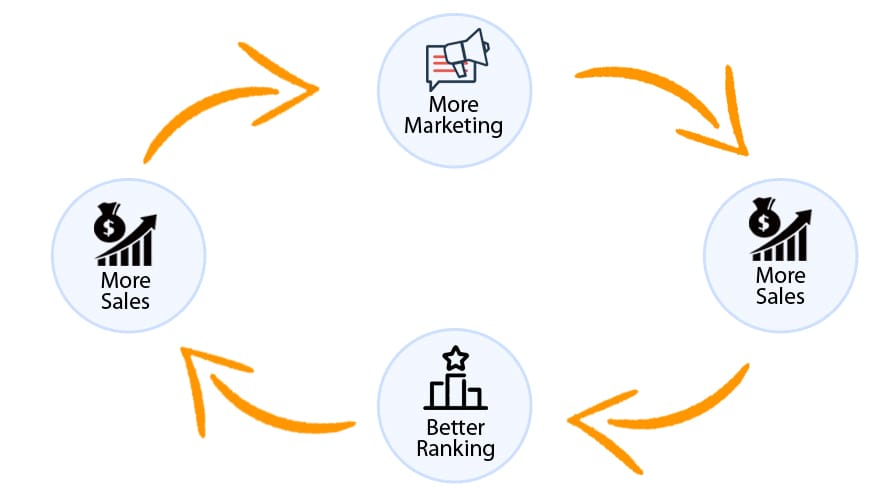
Once people find your product and if they feel it relevant, they’ll most probably click on it and make a purchase for the same. The more people click and purchase your product, then the A9 algorithm will rank it more generously. The higher your product ranks, it will appear to more people and then more people will buy it. In turn, it will increase your rankings and even enable you to put more resources into marketing initiatives to drive your sales.
This process and strategy can develop a self-perpetuating flywheel between rankings, sales, and marketing initiatives that improves your sales.
Section 2: Step-By-Step Guide to Optimize Your Amazon Product Listings for Higher Ranking
Now, we have learned about how the Amazon ranking algorithm (A9) works. Let’s get focus on what can be done to optimize your listing.

Here are the steps to optimize your Amazon product listings,
- Content: Creating and enhancing your listing content
- Keywords: Adding and optimizing the keywords of your listing
- Maintenance: Ongoing optimization after the listing is live (e.g. managing reviews and leveraging Amazon PPC to improve your rankings)
Create Optimal Content for Your Amazon Listing
In the very first step, you can create or enhance your content and optimize your product copy and images.
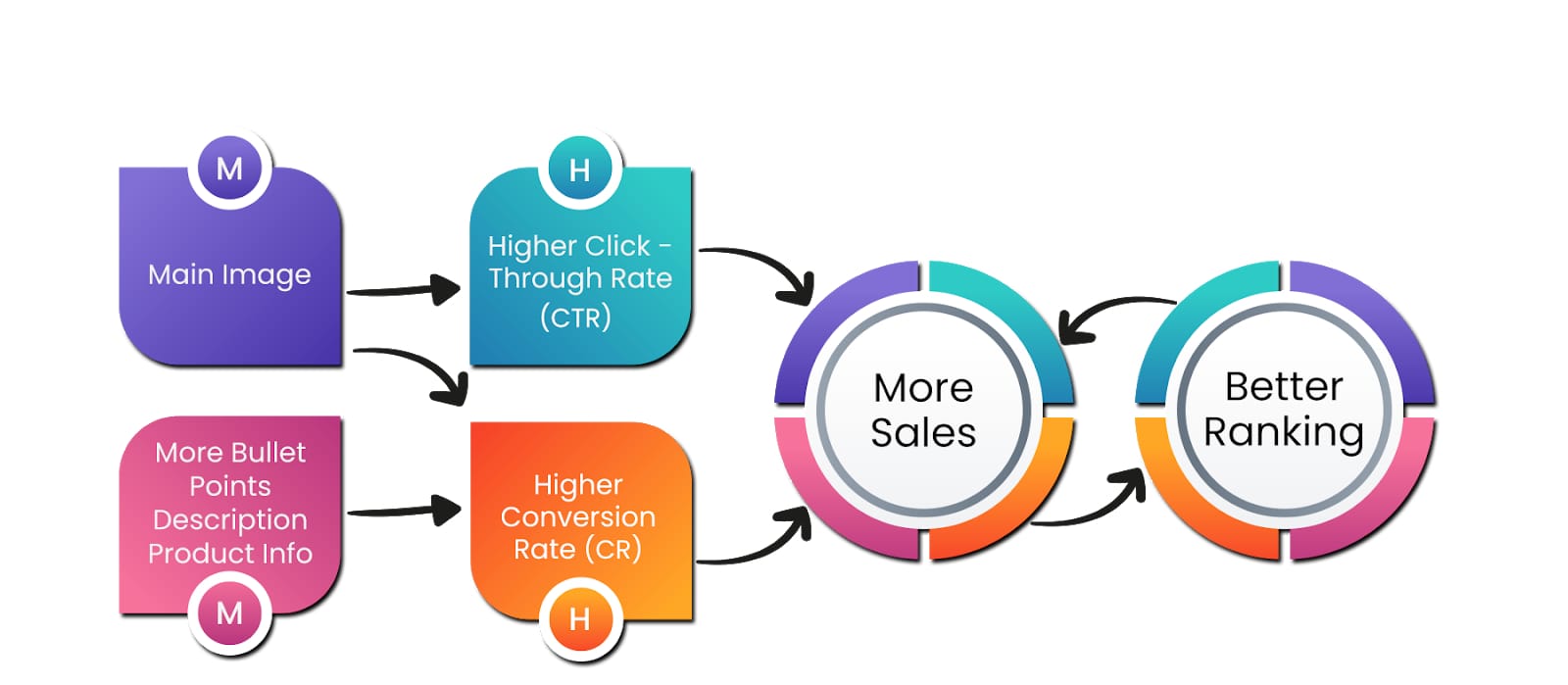
Amazon works like a regular search engine for any of your products. So, it will help to improve the click-rate (CTR) in search results and the conversion rate (CR) on the product page by optimizing your content. Also, it will boost sales and improve your ranking and it will be more successful for any PPC campaigns or other marketing measures that generate traffic to a product page.
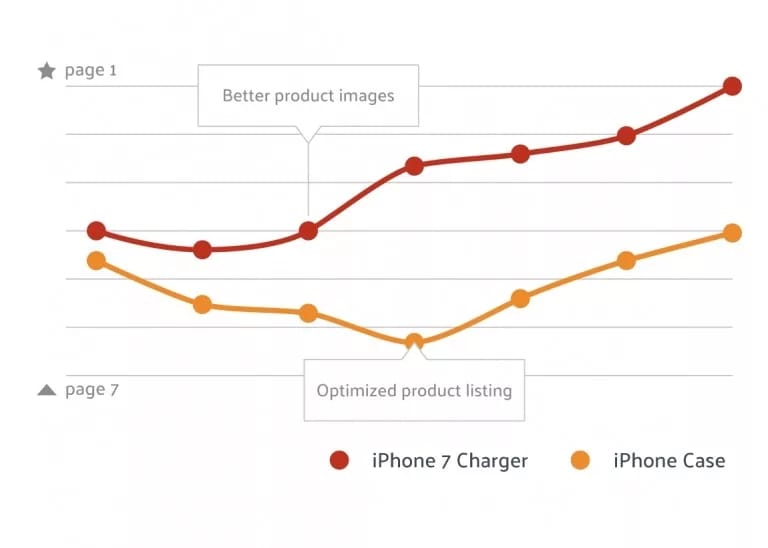
So, it can be noticed that optimizing your product listings should always be the first step to improve your ranking on Amazon. Performance and rankings can be improved by optimizing your product copy and images.
Persuasive Text That Sells — How to Write the Best Amazon Sales Copy
Amazon SEO needs to optimize the following product content,
- Product title
- Bullet points a.k.a. Highlights a.k.a. Attributes
- Product description
- Additional product information
- Enhanced Brand Content (Sellers) & A+ Content (Vendors)
Note: For your product display you should follow the Amazon Style Guides according to your product category otherwise Amazon can put down your product.
Check this article from Amazon which will give you basic information about the ‘Quick Style Guide’ and it can be applied to all categories.
If you want to create convincing product texts then you should follow the below basic rules.
- Inform: Need to provide all necessary information for the purchase decision in the description
- Sell: Need to highlight the benefits and USPs of the product in the description. As well as features should be shown off nicely which will attract customers easily by seeing its benefits, so they will be ready to buy without thinking much.
- Present: Your product should have a formal & simplistic structure for its information which can be easily understandable by a customer.
Product Content and their Optimization Tips

Product Title
- Check the Amazon Style Guides for the length and structure of your title in the relevant product category
- Impacts your CTR and CR
- It should contain important information, benefits, and USPs.
- The mobile view is limited to about 70 visible characters, so stick to the most important information and make sure to place it at the beginning.
Bullet Points a.k.a. Highlights a.k.a. Attributes
- Check the Amazon Style Guides for the relevant product category
- Impacts your CR
- Maximum 200 bytes (equivalent to approximately 200 characters) per bullet point
- Outline the key features and benefits of the product
- Always connect the features with the benefits for the customer (e.g. ‘easy to clean — the glass surface allows the kitchen scales to sparkle with a single wipe’).
- Stick to one benefit per bullet point for better readability and information flow. For example:
- Easy to Clean
- Flexible Use etc.
- Mobile view: Only the first three bullet points are directly visible to mobile users. Place your USPs at the beginning of the list.
Product Description
- Check the Amazon Style Guides for the relevant product category
- Impacts your CR
- Avoid duplicating the bullet points. Provide as much additional information as possible and tell a story about the product.
- Make it easy to read. Maximum three lines per paragraph — you’ll need to use simple html code here:
- Separate paragraphs with <p> text </p> or <br> (line break)
- Use <b> text </b> for bold text and headings.
- For bullet points, use
<ul>
<li>bullet point 1</li>
<li>bullet point 2</li>
</ul> - For numbered lists, use
<ol>
<li>list item 1</li>
<li>list item 2</li>
</ol>
Additional Product Information
- Provide as much information as possible in the respective product information fields.
- Impacts your CR (additional product information appears in the product information section of the product page).
- Amazon’s search filters (page navigation) make use of the additional product information and can increase visibility (e.g., information on color, size, material).
Brand-Only Features: Amazon A+ Content and Enhanced Brand Content
Below are the extended content features for brand-registered Sellers and Vendors, respectively,
- Amazon Enhanced Brand Content and
- A+ Content.
For creating appealing texts and vivid images, you should use various layouts (a.k.a. modules) and an easy-to-use content tool. Then enhancements via these can give your standard product description page a significant visual boost.
Also, through enhanced content, you are able to answer your buyer’s questions conclusively and in a more engaging way and that enhances content can lead to a better conversion rate, more sales, and fewer returns. As per the Amazon point of view, enhanced content has the ability to increase your sales by 3-10 % through a higher conversion rate.
The Advantages of Enhanced Content for Sellers and Vendors
- Product Story: You can tell your product story in the form of more images and elaborate product descriptions. By using it, you can showcase the unique benefits and features of your product.
- Brand Awareness: You can build brand awareness and loyalty by telling your brand’s story and connecting with your buyers. You can stand at a different position among your competition and can encourage repeat purchases.
- Product Range: With the help of a comparison chart, users can discover more of your products and that makes them feel satisfied with their buying decisions. Also, in this way, the probability of distractions for any users will decrease and no need to check again & again for any competitor products.
If your brand is registered with Amazon, and you are using a professional selling plan then, you can use Enhanced Brand Content as free.
For vendors, “Basic A+ Content” is available as a free while “Premium A+ Content” is paid for them. This paid version of A+ content offers more interactive options like video and slider carousels. But, it is an exclusive program that you can get only on your vendor manager’s invitation. It is also available at a high cost.
When should I use Enhanced Content?
As every single branded ASINs are qualified and the essential highlights are allowed to utilize, you can expect to add enhanced content to each of your products. But we need to keep in mind that the formation of Enhanced Brand/Marketing Content will be required more time and exertion into it.
Additionally, Amazon Brand Registration is free, however, you have to authoritatively enlist your product as a trademark to be qualified — which includes some significant pitfalls.
Enhanced content isn’t filed by Amazon and consequently doesn’t legitimately expand perceivability in list products. In any case, enhanced content can improve rankings by implication by improving the conversion rate.
Enhanced content is additionally not a simple fix for the product that isn’t selling admirably. Despite what might be expected, enhanced content is fairly a quickening agent for a product that is as of now indicating a solid exhibition on Amazon.
Pics That Pop — Create Persuasive Amazon Product Images for Amazon SEO
Alluring, great product pictures are colossally significant for a product’s positioning since they can essentially improve the product’s presentation (CTR, CR, and sales).
How would they do that?
- Stage 1-Search Results: The principal product picture in the list items is typically the primary purpose of contact between any product and the client. Customers click on search output all the more every now and again when it relates & are attractive to the principle picture. The fundamental picture is presumably the most significant factor for the Click-Through Rate (CTR)! Moreover, a superior CTR will likewise prompt more deals for your item.
- Stage 2 – Product Page: Alluring product pictures can convince clients to purchase your products, in this manner you can improve your Conversion Rate (CR) and sales. It is more helpful since great product pictures are able to answer client’s inquiries and provide them all the required data which will be needed to settle on an educated purchasing choice — in a configuration that is anything but difficult to expend. Additionally, they leave a decent impression and assemble trust with your purchasers. Clients follow basic buying rationale: if the item picture is terrible, the item can’t be greatly improved.
- The addition of pictures including high-resolution pictures (zoom function to be operated) does not lead directly towards superior ranking. The product will possibly rise to the rankings only if the CTR, CR, and sales really impro
What Are the Technical Requirements for Successful Amazon Product Images?
1. They stick to the base specialized necessities
Amazon has the explicit least necessities for product pictures. In the event that you don’t meet these fundamental necessities, Amazon could put down the pictures or even the whole item.
Permitted positions: JPEG (liked), TIFF, PNG, GIF
Shading model: RGB (CMYK is for print, the hues will appear to be unique)
Resolution: Minimum 72 dpi
Size: Recommended least 1,000 pixels on the longest side (actuates zoom)
Extra prerequisites exist contingent upon the classification, particularly in the categories like ‘Dress’ and ‘Shoes and Handbags’. Review the Amazon Style Guides which will guide you about your relative product categories.
2. They are sufficiently enormous to empower zoom
On the off chance that conceivable, your pictures ought to consistently have an adequately high quality to empower the zoom work (in any event 1000 pixels on the longest side, 500 pixels on the briefest side). Zoomable pictures will build your Conversion Rate (CR).
Extended Options:
360-Degree View: Vendors approach a 360-degree view, which permits clients to see a few items from various edges. Contact Vendor Support to see whether this alternative is accessible to you.
Product Video: Vendors can have the ability to upload product videos. In the US-commercial center, likewise, brand-enlisted vendors can utilize Enhanced Brand Content to upload a product video instead of a product picture. A product video is now easy to create using an online tool like a video editor. These tools save a lot of time and give you the professional quality video that you look for.
The Main Amazon Image
The principle picture shows up in the searched product list (and on the product page). The nature of the fundamental product image is liable for the CTR of your product. Thus, it needs to be in a way that shows the product to the client, features USPs, and makes it simple to perceive the product (the product should fill a huge region of the picture).
To locate the best principle picture for your product, think about A/B testing the CTRs of various fundamental pictures. For this, you can utilize Amazon Sponsored Products campaigns as they permit you to quantify your CTRs correctly, in any event, for explicit keywords.
The following requirements of Amazon need to be satisfied with the main product image:
- The product image should only have the core product and no adornments or props should be present there.
- The background color must be in pure white color (RGB code: 255, 255, 255).
- The product should fill 85% to 100% of the picture zone.
- The product should be always shown without bundling only. (a few exemptions, contingent upon the item)
- The product should be completely obvious.
- The primary picture must not contain content, designs, or outlines (just permitted in other additional pictures).
Additional Images on Your Amazon Product Page
Top-notch pictures on your product page improve your conversion rate (which indirectly improves rankings) essentially. They make up for the absence of direct contact with your product. Along with that, you can showcase extra pictures to give significant data that your client requires to settle on the best purchasing choice and to feature the advantages and USPs of your product.
Get inventive with the extra pictures which show more diversity in the main image. These additional pictures permit you to include some additional profundity with different foundations and props, for instance.
As per the product, you should feature various angles. Here’s the secret:
- Give your product some prospective
- Show your product in various states
- Show off your skills
- Display your product as it is fit for their home
- Show how your products fit in customers lifestyles
- Your product should have perfect size proportions
- Special product features & benefits
- Show more details that enhance the functionality of your product
- Take care of the product’s packaging & its wrapping.
- Show how your product can distinguish them from others
How to Optimize Keywords for Amazon SEO
In the initial step, you’ve composed your posting and made convincing item substance to persuade clients to snap and purchase your product. Your substance will upgrade your product’s presentation and improve its rankings. Our content will boost your product’s performance and ameliorate its rankings so that it gives a positive outcome and there will be tremendous growth in the business.
Weren’t we missing a basic thing? That is — KEYWORDS. The correct keywords will permit your product to show up at the first position in the result lists while searching. Let’s learn about how we can add keywords to your posting and about its optimization.

How to Conduct Amazon Keyword Research
As you all know that whatever is your product on Amazon must have a valid keyword because shoppers generally use these keywords for the identification of products. So basically for the betterment of the product, one must be aware of “all the admissible keywords”. Without any admissible keywords, the product cant be identified. So, here are some techniques to be followed.
Amazon Autocomplete
At the point when you enter a keyword in the Amazon search box, autocomplete proposes search terms that Amazon clients use every now and again for searching.
Autocomplete is an important wellspring of keywords dependent on looks directed by genuine Amazon clients.
For example, entering a keyword followed by the letter A to Z permits you to scan for an entire arrangement of various combinations.
Competitor Listings
This covers the analysis of the competitor’s listings so that an array could be found followed by the combination of appropriate keywords. For this, you need to enter one of the primary keywords for your product in the Amazon search box and break down the top products in the output. And this breakdown will discover a variety of applicable keywords of your competitors.
Customer Reviews
Investigate the survey which customers left on your and comparable products. You will find the specific terms purchasers use to depict your product.
How to Add Keywords to Your Amazon Product Listing
Since you have recognized the applicable keywords, how would you use them to upgrade your product posting?
As it is well known that, a product listing must contain the important keyword for the product to show up at the top in Amazon’s search output, then the most essential principle of keyword optimization is, you need to add every significant keyword into your product listing.
Where should I put my keywords? Amazon product listing fields and their indexation
The following significant inquiry is: Where would it be advisable for me to put the keyword?
Amazon’s A9 calculation takes an overview of the keywords in different fields in your product inclining to decide whether your product can appear for a customer’s pursuit term. In the event that your product can appear in a listed product for a particular keyword, at that point, your product will be fixed for that keyword.
Let’s check how Amazon treats the keywords in every one of those fields in your product listing.
The weighting of the different fields: Does it matter where I put my keywords?
Amazon likes to constantly update and adjust the fields of the product listing (title, visual cues, portrayal, backend keywords, and so forth.) which is used to be weighted distinctively in the Amazon ranking algorithm. Amazon used to quietly introduce some fresh updates in Seller Central every year.
At present, the fields are weighted equally. It doesn’t make a difference where you put your keyword, so far those are indexed in a field.
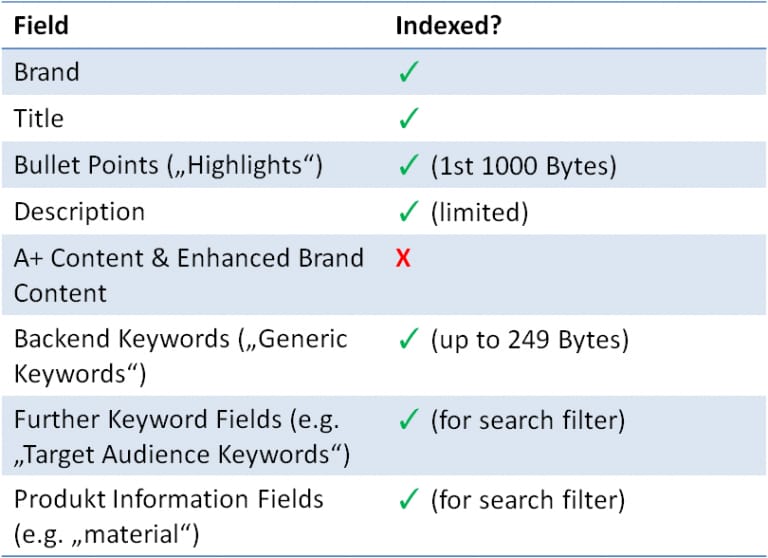
Brand
Despite the fact that your brand is ordered as a keyword, it doesn’t (and can’t) differ across product postings and, along these lines, offers no open door for enhancement.
Title
The product title is completely listed for search. Utilize the classification explicit Amazon Style Guides to decide the right title length for your product.
Ensure you get this right: Amazon rejects overlong titles and even can put down product listings in specific conditions. Therefore, the product never again shows up in the query items.
Visual cues/ Bullet Points (Highlights)
In certain classes, Amazon just records the initial 1000 bytes as a total overall visual cue and after this edge, it will not list any other keywords.
The content ought to be shorter at any rate — It keeps the visual cues decipherable and stays away from unfriendly impacts on the transformation rate.
Our suggestion: Use 200 bytes greatest per visual cue to ensure full indexation and a decent change rate.
Product Description
Regardless of whether a product depiction is listed relies upon the classification of your product.
In certain classes, products can be found through all the keywords in the product portrayal. In many classes, notwithstanding, the accompanying remains constant:
- The product DOES NOT show up in the indexed lists when clients look for a single keyword from the product depiction
- The product DOES show up in the indexed lists when,
- Clients look for at least two keywords from the product depiction that are found near one another or
- Clients look for a keyword from the product depiction and at any rate two different keywords from at least one recorded fields (i.e., title, visual cues, backend keywords)
- The product portrayal is, in this manner, a fantastic spot to include your long-tail keywords.
At long last, the product depiction is additionally significant for Google SEO. Because of the restricted indexation, notwithstanding, our suggestion remains:
Enhanced Brand/Marketing A+ Content
Amazon doesn’t record enhanced content (A+ for Vendors and EBC for sellers) for search. In the case, where important keywords only present in enhanced content, then the product won’t show up in the indexed lists.
Enhanced Content vs. Product Description
With regards to indexing and conversion optimization, the standard product portrayal and the enhanced content offer differentiating highlights and advantages.
Enhanced content is outwardly satisfying, while the normal product depiction can be indexed. While A+ Content for vendors is an extra sight to behold, EBC for vendors replaces the standard product portrayal.
Would it be advisable for me to concentrate more on the product descriptions or enhanced content?
In the event that you need to pick between the two, we suggest you center around enhanced content. The product depiction isn’t that significant for your Amazon SEO technique.
One purpose behind this low need is the constrained indexation we referenced, just as the likelihood to cover every important keyword in your backend keywords, title, and visual cues.
When you have your keywords secured, conversion optimization turns into your principal objective. Enhanced content offers better tools for making an attractive and impressive content and is simply like the product description — filed by Google.
Backend Keywords (a.k.a. Search Terms/Generic Keywords)
At present, this backend keywords indexation limit is 249 bytes with spaces and punctuation.
VENDORS – The conventional keywords fields for vendors don’t have a byte counter demonstrating whether you surpass the limit. If the complete byte tally over your nonexclusive keyword fields surpasses 249 bytes, including spaces and punctuation, none of your keywords will be indexed. To avoid this kind of chance, consistently need to check your byte tally by utilizing some of the Content and SEO module tools which helps in keyword optimization.
SELLERS – The hunt terms/conventional keywords field have an incorporated byte counter which doesn’t tally spaces and certain punctuation while these are meant for indexation. In the event that you utilize the absolute character length allowed by the byte counter, along these lines, any of your keywords that surpass 249 bytes (counting spaces and punctuation) may not be listed. Your first keywords inside the cutoff will be that as it may be indexed. To play it safe, consistently check your byte tally which will naturally make an ideal arrangement of search terms/nonexclusive keywords for you.
Additional Product and Keyword Fields
You can include additional data (e.g., about materials) to your product in the extra product fields. For certain products, you can characterize extra keyword types, for example, target crowd keywords (e.g., man, woman, kids).
Make a point to utilize these fields, as the data are given can be utilized to look through channels (sidebar route in the list items) and product discoverers.
Amazon SEO Keyword Rules — How Amazon Treats Keywords
At last, to include your keywords effectively, you ought to stick to some broad keyword rules. Adhere to the accompanying rules to improve the designing of your keywords:
- You don’t need to repeat keywords (for example in your backend keywords, use ‘wallet men leather’ rather than ‘wallet men wallet leather’). Reiteration shows no positive effect on positioning. Rather, utilize the significant space to include progressively applicable keywords.
- Utilize either singular or plural. Including both isn’t fundamental. The special case: Long compound words in German (for example Mehrzweckregal, Fitnessarmbänder)
- Capitalizing letters is not relevant.
- Umlaute (ü, ä, ö) are coordinated to ue, ae, oe. Including the two renditions isn’t fundamental.
- Accents (entrecôte, roségold, mèches) are coordinated to the non-highlight spelling (entrecote, rosegold, meches). Including the two variants isn’t fundamental.
- Minor incorrect spellings (carrier bag, running shoe, leather wallet) are coordinated to equivalent to the right spelling. Including the two variants isn’t fundamental.
- Various spellings of compound words (fitness ball versus wellness ball, flipchart versus flip diagram) are not recorded consequently. You need to incorporate the two forms or use hyphens (see next visual cue).
- You can cover various varieties by joining or isolating words through hyphens, e.g., A-B positions for A, B, AB, AB, A-B (use for max. 2 words, for example, flip-diagram).
Workflow for Your Amazon Keyword Optimization
Since we’ve secured all the significant data on keyword improvement, you despite everything may ask yourself.
How do I optimize Keywords on Amazon?
To advance your posting, we suggest the accompanying work process:
Stage 1 — Optimize backend Keywords
Spot however many keywords could be allowed in the backend keyword field (likewise called ‘search terms’, or ‘generic keyword’) before adding a keyword to your substance. This training will keep your substance profoundly intelligible. For vendors and dealers, as referenced previously, to get the entirety of your keywords recorded, don’t utilize in excess of 249 bytes (counting spaces and punctuation). Use spaces (dealers) or comma/semicolon (sellers) to isolate your backend keywords and recall the general keyword rules.
Stage 2 — Place remaining keywords in the item content (i.e., title, visual cues, item portrayal)
It needs to special take care of ease to read and the client experience while including your keywords. You don’t need to include the keywords you previously indexed in the backend to your product content. As far as the Amazon SEO technique, repeating the keywords in various areas has neither a negative nor a beneficial outcome on the ranking.
Stage 3 — Fill in an extra product and keyword fields
We previously referenced that extra product and keyword fields can improve the accessibility and permeability of products through Amazon search channels (page route). You should, in this way, attempt to fill in these fields totally.
FAQ About Amazon Keyword Optimization
Which field ranks best? Where should I place my main keywords?
It’s actual: Amazon keyword fields used to be weighted. There was, for instance, a slight positive ranking impact for products that consist of a keyword in the title. Amazon has, be that as it may, evacuated this weighting.
For whatever length of time that you enter the keyword in an indexed field, it has no effect where you place it in your listing. Rather, Amazon presently depends considerably more on the keyword explicit execution of a product (click rate, conversion rate, deals, and so forth.).
The emphasis presently lies on readability: At the place of stuffing more keywords (particularly in the title), Amazon needs you to concentrate on conversion-optimized content that conforms to their rules.
Should I repeat my keywords to rank higher for them?
No. Keyword redundancy shows no positive effect on the ranking. Utilize the space to include increasingly important keywords.
Can I increase the number of indexed keywords by spreading them across variants?
The fundamental standard despite everything applies: Your posting must contain the pertinent keyword for purchasers to discover it — yet in case you’re squeezed for space, there is a workaround.
A parent listing will consequently refresh all child listings with its visual cues, portrayal, and backend keywords. That implies it can take care of the parent posting a fundamental arrangement of essential keywords, and its child ASINs will rank for them, as well.
In a subsequent advance, you would now be able to include long-tail keywords that are explicit to every child ASIN. Along these lines, you increment the absolute number of potential keywords — and the odds that customers find in any event one of your variations.
When they open it, they will likewise observe different variations that already weren’t shown in the list items.
Ongoing Optimization: How to Keep Improving Your Rankings
So, we have currently learned all about content and keywords optimization for our listing and also now, we can publish it. Rather than simply trusting that the deals will come in, in any case, you ought to take part in continuous streamlining to improve your rankings and expand your prosperity.
All in all, you ought to consistently watch out for your item posting, to ensure it’s forward-thinking, despite everything performing great, and hasn’t been captured.
Furthermore, there are some other significant switches that you can constantly enhance to improve your rankings:
- Reviews
- Amazon PPC
- Price
- External traffic
- Shipping and FBA
- Inventory.
Dealing with Customer Reviews and Questions
How Amazon Reviews Influence Your Ranking
Reviews are basic to the CTR, CR, and deals of a product and, along these lines, to how well it positions. Customers regularly look for the feedback left by past purchasers. The more positive reviews your product has, the better it will perform. In this manner, there are two viewpoints to deal with:
- Number of product reviews
- Product audit score (star rating).
How to increase your number of Amazon reviews
You can expand your number of reviews in different manners. All in all, a client’s readiness to present a review increment with brilliant client assistance. You could likewise utilize package additions to incite clients for reviews or promote on the product testing stages.
Continuously ensure you remain inside the review guidelines of Amazon, particularly with the latter method.
How to increase your product rating
Make sure you have engaged with your reviews consistently to keep up a high product evaluation. Specifically, you should remark on negative client reviews. As a dealer or maker, you can include your point of view and shed a superior light on the review.
This training causes you to keep up your conversion rate for future clients. It likewise shows amazing client care and may convince the client to alter the review or evacuate it inside and out. We should keep a superior perspective on the entirety of your surveys.
Answering Amazon Customer Questions & Answers
The inquiries that clients can pose on the product page are similarly as significant. Customers regularly get some information about explicit subtleties they can’t discover on the product page. Vendors, sellers, and different clients can respond to questions.
Sellers and Vendors should deliver unanswered inquiries consistently to guarantee that clients get the right answers. Doing so will likewise improve the data substance of the product page: Questions regularly point to increasingly critical data holes, which you would now be able to add to the portrayal.
At the point when your items are selling admirably, you will presumably get a staggering measure of client criticism. How would you keep steady over your correspondence with your purchasers?
Boost Amazon SEO with Amazon PPC (and other promotions)
Successful Amazon Advertising Requires an Optimal Amazon SEO Strategy
Amazon advertisements are governed by significance. As a rule, this implies Amazon possibly shows your promotion if your item page additionally contains your focus on keywords. PPC (Pay-Per-Click) battles can, in this manner, possibly work on the off chance that you streamline your item posting for significant keywords first — utilizing Amazon SEO.
Reward: Optimizing your item page for CTR and CR will likewise improve the presentation of your promoting efforts
Amazon PPC Improves the Organic Ranking of Your Product
In any case, presently the significant part for your rankings: The natural positioning of an item relies massively upon its presentation, specifically how well it sells. Not at all like Google AdWords, this additionally applies to deals that get from Amazon PPC battles.
An expansion in deals due to PPC improves the general execution of the product and, thus, the natural positioning.
This criticism instrument is particularly useful to improve the natural perceivability of new items, a procedure that would somehow or another take any longer.
Physically overseeing and enhancing offers, negative keywords, and the various necessities for fruitful PPC battles can be very time-escalated. DCS spares you a ton of time and exertion via computerizing these errands.
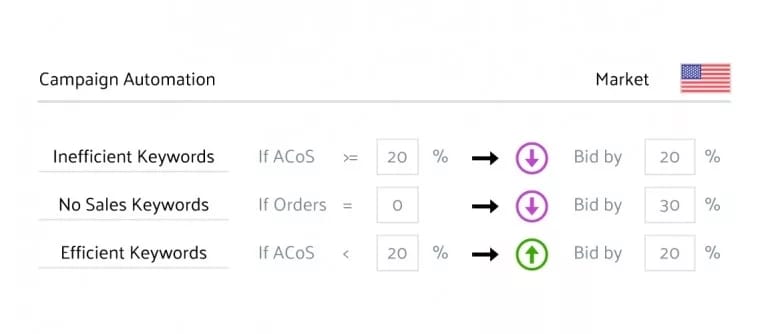
Utilize the PPC supervisor (for Sellers) or the AMS administrator (for Vendors) to set up and deal with your publicizing efforts with Sellics serenely.
PPC battles help new items to rise quickly through the positions, and along these lines accomplish progressively starting deals.
Price — A/B Test Your prices
As past examinations by DCS appeared, modest items are not particularly preferred by Amazon’s positioning calculation. That implies you don’t have to have the least expensive item around to be effective on Amazon.
You despite everything need a serious cost, obviously. Your cost will affect your positioning since it will both impact:
CTR in search results: Clients contrast your cost with different items in the indexed lists.
CR and sales on the product page: Does your value coordinate your intended interest group, item quality, marking, and so forth to accomplish a decent change rate?
Characterizing a decent value utilizing a hypothetical methodology can be exceptionally dubious. This is the reason you should A/B test various costs and think about the outcomes as far as CTR, CR, deals and, obviously, benefit.
External Traffic — Create Additional Traffic and Sales for Your Amazon Listing
Utilizing outer traffic implies guiding clients from outside locales to your product on Amazon to make extra traffic and deals that will likewise improve your rankings.
This impact on rankings can be a valid justification to send traffic to Amazon instead of to your online shop.
Helpful points of arrival are on the product page, on the product selection page, or the Amazon Brand Store.

Here are a few different ways to do that:
- Pay-per-click promoting (Google Adwords, Facebook advertisements, and so on.)
- Newsletter/emails
- Content/influencer advertising (advance your item on web journals, YouTube, gatherings, and so on.)
- Social Media (e.g. brand pages)
- Send traffic from your online shop to Amazon.
Shipping and FBA (Fulfillment by Amazon)
In the event that you don’t utilize FBA yet, you ought to think about it, in light of the fact that just with FBA your item is accessible for Prime transportation (except if you use ‘Seller Fulfilled Prime‘).
Just with Prime delivery, thus, you will have the option to understand a noteworthy number of deals from the continually developing number of Prime individuals.
Except if you have the Prime mark, Prime individuals are probably not going to try and snap on your item in light of the fact that the Prime name as of now shows up in the list items.
Prime individuals can even sift through Non – Prime Items in the indexed list.

Inventory Management — Don’t Run out of Stock
Coming up short on stock may or probably won’t hurt your rankings — relying upon to what extent you are out of stock and how you manage the circumstance. The more you are out of stock, the higher the odds that you will encounter a critical drop in rankings.
In the event that you realize that you will leave stock, here are two points for out-of-stock contextual analysis,
- Try not to raise your costs (essentially): This will hurt your CTR, CR, and deals and will hurt your rankings.
- Use Amazon Advertising to recoup rankings: After restocking, use Amazon Advertising to produce deals and increment your rankings once more.
Amazon SEO: The Bottom Line About How to Rank on Amazon
You simply read the most extensive manual for the Amazon SEO procedure out there. We made a point to incorporate everything there is to know — so you never feel invaded with equivocal data until kingdom comes.
So what’s straightaway?
In our agenda, we came down with all the immense data to the basics of your requirement for upgrading your posting bit by bit.
At that point, check your top of the line postings (and afterward your poor entertainers). Distinguish the components we talked about right now. Would you be able to give them a lift?
In the event that you keep on amplifying your prosperity, you will develop and include more products. You will experience new difficulties — from viable promoting to settling on keen business choices dependent on your business execution and income development.
It’s a smart thought to be readied — The most effortless approach to remain in charge of your whole excursion as a merchant on Amazon is by utilizing DCS.
Conclusion
In this article, we have understood all about the Amazon SEO strategy which will help to enhance your sales rate by appearing your product on the first search. A9 algorithms made easier to rank high for your product among those millions of products are available on Amazon. Also, learned about “How to optimize your product listing for Amazon SEO?”.
Additional Read:
12 Best Amazon PPC Optimization Tools for Sellers
Note: If you’re our Affiliate Partner, please use our Affiliate partner link instead of the link given above.
The post Amazon SEO Growth Guide with Strategy, Tips & Examples appeared first on Amazon-ASIN Blogs - Latest from Amazon Sellers: News, Advice, and Effective Strategies.
]]>The post 10 Best Amazon Keyword Tools to Improve Your Amazon Sales in 2023 appeared first on Amazon-ASIN Blogs - Latest from Amazon Sellers: News, Advice, and Effective Strategies.
]]>There are certainly always a whole good deal of Amazon keyword Tools available which may help Amazon sellers, although this is not a simple undertaking.
It’s going to allow one to put a marketing plan based on real data, that’ll entice a high number of clients to use Amazon tools. Months or weeks of maximizing your Amazon entrances and researching keywords will enhance your products’ visibility and increase earnings.
Let us take a good peek at several of the very Amazon keywords tools that are most useful on the current market, which will be able to allow you to get insight.
Top 10 Amazon Keyword Tools For Amazon Sellers
1. SellerApp
If you are looking for one Amazon tool which is dedicated to only keyword research, SellerApp’s Free Amazon Keyword Tool is your best bet.
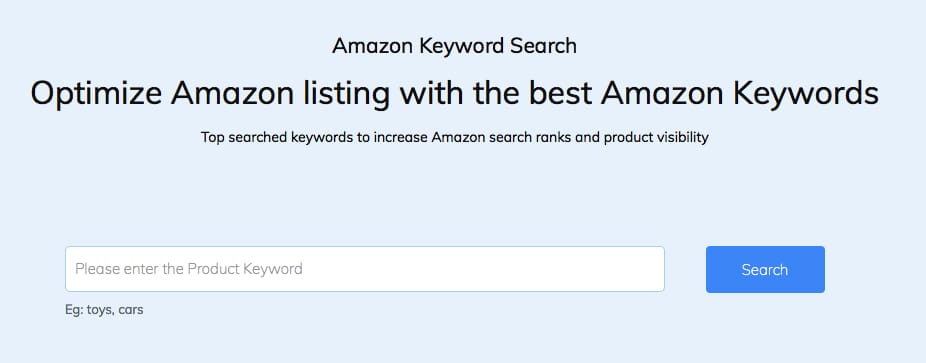
SellerApp’s Free Amazon Keyword Research Chrome Extension makes keyword research easy by providing accurate search volume along with the CPC rate and the relevance of the keywords generated from the seed keyword.
Every search on Amazon is an expression of a buying intent of a potential shopper. If you could match the search intent of your potential buyer crowd, half the battle is won. A fairly simple task, it involves thorough keyword research and copywriting skills to match high searched keywords onto your product listing
Amazon Keyword Research has always been a nightmare for both seasoned and new sellers alike. Choosing the right keywords isn’t always easy or intuitive and you need a lot of data to know whether a given keyword will work for you. The keywords you choose to focus on in your product listing decide how your product gets positioned in a search, by a potential shopper and also how many of your potential audience realize your product is available on Amazon.

Amazon SEO (a9 algorithm) has iterated a lot of times, requiring you to move from just targeting an exact-match keyword, to building your product listing content around long-tail keywords with lower competition for both organic search and PPC campaigns while it suffices a huge search volume. SellerApp’s Keyword Research Tool provides data to do this all!
How to Do Amazon Keyword Research With SellerApp
2.Kparser
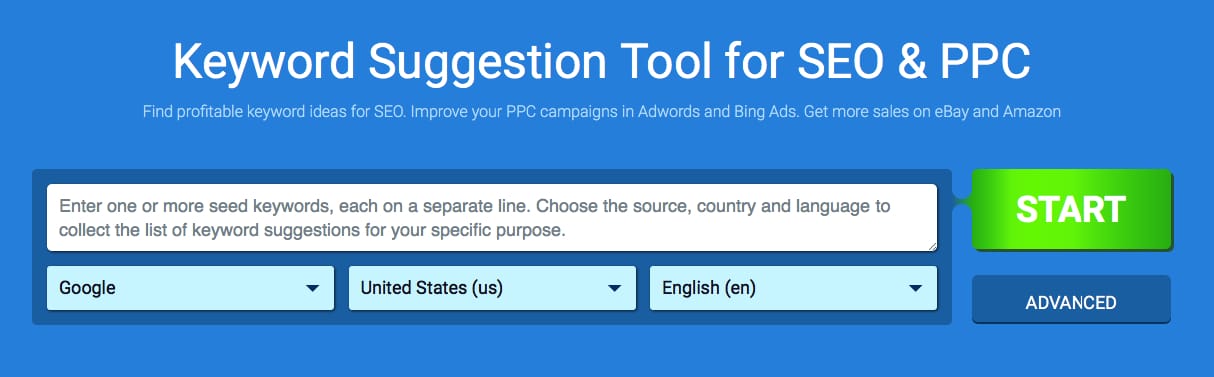
This keyword suggestion tool supplies a point of service to all sellers that wish to enhance their products’ operation. Kparser provides a service that is better to Amazon sellers for 2 factors compared to its competitors.
The quality that distinguishes Kparser from Amazon keyword tools will be the characteristic of results that are accumulated as it uses filters. The next feature is that the rate of this practice, which empowers its users to set and sort the outcomes. It can, but lack the ability of complex keyword tools like Helium 10 or even AmaSuite.
3.Merchantwords

MerchantWords is among the tools available to marketers that wish to improve their products’ earnings. Amazon sellers may generate phrases specific to their own products, in line with the info.
This Amazon keyword tool is ideal for less experienced Amazon sellers since it generally does not require one to be an experienced search engine optimization professional so as to make utilize of this, yet sellers may obtain access to invaluable search phrases to assist them to improve earnings on Amazon.
4.AMZ Suite
The program enables sellers to discover the best-selling services and products and realize the information Hot New Releases, within Sellers, and Best Rated features. Moreover, over 67,200 categories for UK and Amazon US are assembled into the applications, meaning staying in touch with the trends on Amazon is easy with AmaSuite.
This remarkable Amazon keyword tool might be obtained for only $197 and might be ideal for big organizations and exceptionally trained search engine optimization professionals, those who understand just how to exploit the entire potential of this robust Amazon KeywordTool.
5.Keyword Inspector
This platform delivers a lot of chances to its associates. This feature empowers members to examine the very best rated keywords on a weekly or daily basis.
Reverse ASIN includes and indexation Conventions guarantee your Amazon products will be optimized to accomplish the number of buyers.
The services supplied by Keyword Inspector are free, and also as a way to make utilize of the members must buy credits to the application, they would like to work with or purchase a regular subscription to the application they require.
6.Keyword Tool Dominator
The simple fact that Keyword Tool Dominator is knowingly used by a lot more than 15,000 owners shows how successful this tool that is keyword is. Users may select from Google, YouTube, or even Amazon keyword tools based upon their demands.
The auto-complete database provides keyword advice produced by users that are real, which produces this program an ideal option for those who rely upon true info. Though developing a Keyword Tool Dominator accounts is absolutely totally completely free of charge, purchasing the Amazon KeywordTool package costs $49.99 and the program lacks the ability of a more high-level Amazon Keyword Tool computer program.
7.Keyword tool
Visitors with the simple to make use of keyword search tool may easily change between Google, app-store or even Amazon tabs to swiftly receive the most useful keywords for their services and products. Amazon sellers who’d love to gain access will gain from the Keyword Tool Guru.
The autocomplete feature helps sellers to develop so far as ten keyword hints in one hunt, but features such as tracking the greatest rank keywords stand out of reach users with this Amazon keyword tool.
8.Sonar
This Google-Chrome Extension will supply hints to you centered on search queries made by Amazon users that are real. A very simple look for the most useful keywords for Amazon products through Sonar provides sellers with the keywords they will need to include within their own campaigns.
Even though one search will offer the most useful keywords for Amazon products, sellers shouldn’t rely upon Sonar to give them the tools essential to test the data. The Google-Chrome Extension is absolutely totally completely free and it’s perhaps suitable to Amazon sellers that are learning the principles of this transaction.
9.Ahrefs Site Explorer
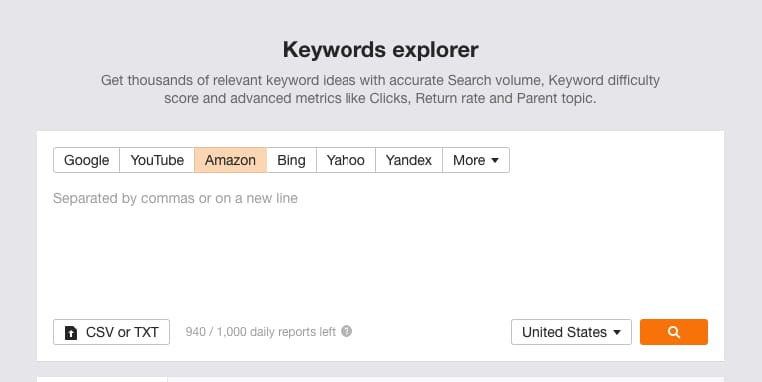
Ahrefs Website Explorer shows keywords attracting traffic out of search into Amazon pages. You are able to use a few of the keywords to drive a part of the competition’s traffic. The dash comes with metrics, that may permit you to analyze competitors’ data and create decisions.
It’s possible to learn just that in which position the page stays in SERP for every single keyword, just how much traffic it creates, just how often times users hunt for it each month, etc.,
Keyword Difficulty may assist you to identify. Ahrefs enables you to narrow them down into the phrases, as a typical full page may rank to get 1000s of keywords.
10.Scientific Seller
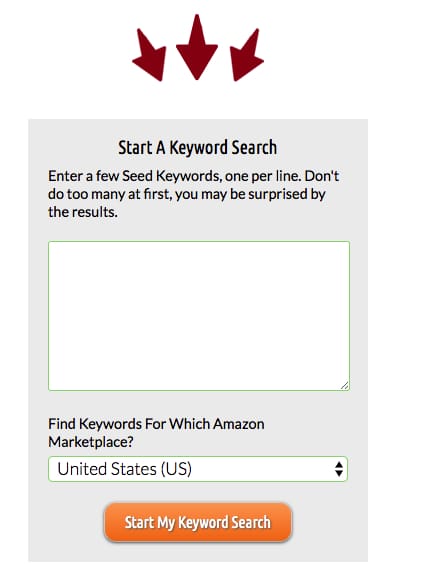
This free and user-friendly on the web platform isn’t just like other Amazon keyword tools because its attention isn’t on the rate. As an alternative, Scientific Seller is significantly more worried about the value and quality of the data it provides.
While Free Amazon Keyword Tool searches further and farther away from the seed word Because of this, keyword searches can take.
Scientific Seller simply provides keywords possibilities for Amazon, however, its own users must show patience simply because they can not count upon its being able to send the info fast.
Conclusion
E-commerce is turning into an ever more essential portion of the earth’s market and using a plan that’ll allow you to power is significantly more significant than ever before.
Every one of those Amazon keyword tools we presented within this guide might help you gather the info that you want to generate a company plan that’ll boost the earnings of your merchandise.
Every tool includes its own features that empower parameters that are various to be checked by users. Deciding upon an Amazon keyword tool that best suits your preferences is the perfect approach to locate the ideal tool.

Arishekar specializes in digital marketing, in addition to website keyword optimization for search engines. His areas of expertise include enhancing the organic ranking of webpages on search engines with innovative SEO strategies and online promotions.
Additional Read:
12 Best Amazon PPC Optimization Tools for Sellers
The post 10 Best Amazon Keyword Tools to Improve Your Amazon Sales in 2023 appeared first on Amazon-ASIN Blogs - Latest from Amazon Sellers: News, Advice, and Effective Strategies.
]]>