The post Mastering Amazon Kindle Direct Publishing: A Comprehensive Guide appeared first on Amazon-ASIN Blogs - Latest from Amazon Sellers: News, Advice, and Effective Strategies.
]]>While KDP comes with its own challenges, it also provides opportunities traditional publishing does not. This guide will walk you through everything you need to know to leverage KDP and get your book out to readers. From formatting and cover design all the way to marketing and pricing, we’ll explore best practices so you can make the most of publishing on KDP. So grab your manuscript and get ready to finally become a published author on your own terms.
Quick Guide:
- What is Amazon Kindle Direct Publishing (KDP)
- Benefits of publishing on Amazon Kindle Direct Publishing
- Understanding the Amazon KDP dashboard and reports
- Step-by-step guide to publishing your book on Amazon KDP
- Amazon KDP guidelines for formatting and cover design
- Maximizing your book’s visibility on Amazon KDP
- Marketing and promoting your book on Amazon KDP
- Conclusion
What is Amazon Kindle Direct Publishing (KDP)
Amazon Kindle Direct Publishing (KDP) is Amazon’s ebook self-publishing platform. It allows you to upload your ebook and make it available for people to purchase on their Kindle e-readers. Royalties and payments
With Kindle Direct Publishing, you can earn up to 70% royalty on sales of your ebooks. Payments are deposited directly into your bank account on a monthly basis. KDP is free to use and your books are made available in Kindle stores worldwide.
Global reach
Through KDP, your ebooks will be available for purchase by millions of Kindle readers on Amazon.com and its international sites like Amazon.co.uk and Amazon.de. Easy publishing process
Publishing with KDP is straightforward. You upload your book, including details like the title, description and cover, then set the price or enroll in KDP Select. Your ebook is then reviewed and, if it meets their guidelines, will be published within 24-48 hours. Promote and market your books
KDP gives you tools to help promote your ebook like special promotions and the ability to offer limited time discounts. You can also enroll in KDP Select which allows readers to borrow your book for free and pays you based on pages read. Many authors find success combining KDP with their own marketing efforts on social media and email lists.
KDP continues to add new features to help authors reach more readers and sell more books. Whether you’re looking to build a side hustle or launch your self-publishing career, KDP provides an easy way to get your work in front of Kindle readers worldwide. With some persistence and patience, KDP can be a pathway to success as an author.
Benefits of publishing on Amazon Kindle Direct Publishing
Access to Millions of Readers
Amazon has more than 100 million Prime members who love to read. By publishing on KDP, your book can reach all of these voracious readers. With KDP Select, you can even offer your book for free or at a discount to drive more readers to your book.
Earn Royalties
For every book you sell on Amazon, you’ll earn a royalty. Royalty rates vary depending on your book’s price and whether you enroll in KDP Select, but you can earn up to 70% of your list price.
The greater number of books you sell, the higher your earnings. KDP pays royalties monthly, so you’ll get paid regularly for your work.
Control Over Your Rights
When you publish with KDP, you maintain full control and ownership of your rights. You set your own price, create your own cover, and can make changes to your books at any time. You have the flexibility to publish in multiple formats like eBook, paperback, hardcover, and audiobook.
Minimal Upfront Costs
It’s free to publish with KDP. You don’t need to pay any upfront fees or sign a long-term contract. All you need to provide is your manuscript, high quality cover image, and book details to get started. KDP will then make your book available for sale on Amazon sites around the world. The only costs are if you choose to buy copies of your own paperback book.
Overall, the benefits of self-publishing with KDP are significant. With a massive potential reach, the ability to earn a meaningful income, full control and ownership over your work, and virtually no upfront costs, KDP provides indie authors and publishers a powerful platform to share their books with the world.
Understanding the Amazon KDP dashboard and reports
Once you’ve published your book, the Amazon Kindle Direct Publishing dashboard is your go-to place to track your book’s performance and make any necessary changes. The dashboard provides an overview of your book’s sales and royalties, as well as options to edit your book or create promotions.
Sales and royalties
The “Sales and royalties” page shows you how many copies of your book have sold each month, your total royalties earned, and how much you’ll be paid. Royalty payments are issued 60 days following the conclusion of the month in which the sale took place. So the royalties you see in January are from sales in November. Amazon pays royalties of 70% of the list price for books between $2.99 and $9.99, and 35% for books under $2.99 or over $9.99.
Promotions and advertising
Once your book is live, you can create promotional campaigns to increase visibility and drive more sales. Options include free book promotion (offering your book for free for up to 5 days), countdown deals (discounting your book for a limited time), and AMS ads (paying to advertise your book on Amazon). You can set a daily budget for your ads and see how many impressions and clicks they receive to determine if the campaign is effective.
Book updates
As an author, you’ll want to check how your book’s details appear to readers and make any necessary updates. You can update your book cover, description, categories, and keywords to improve visibility. You can also make revisions to your actual book content by uploading a new manuscript. Any major changes may require a short period of Amazon review before going live.
The KDP dashboard provides a wealth of information to help you understand how your book is performing and make the best decisions for your self-publishing journey. Monitoring your sales, royalties, and promotions regularly will enable you to gain valuable insights into what’s working and make tweaks to boost your success.
Step-by-step guide to publishing your book on Amazon KDP
Preparing your book
The first step is making sure your book is ready to publish. Double check that you have a finalized manuscript, cover, and that all images/formatting display properly on Kindle devices. You’ll also want to make sure you have all necessary publishing rights for your content.
Setting up your KDP account
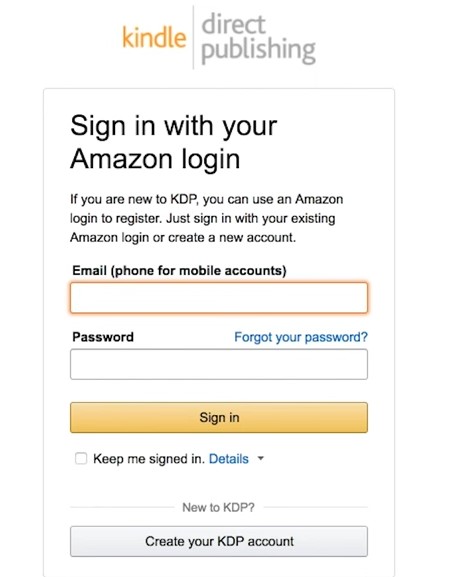
Head to kdp.amazon.com and sign up for a free KDP account. You’ll provide some basic info like your name, address, and bank account details so Amazon can pay you royalties.
Adding your book details
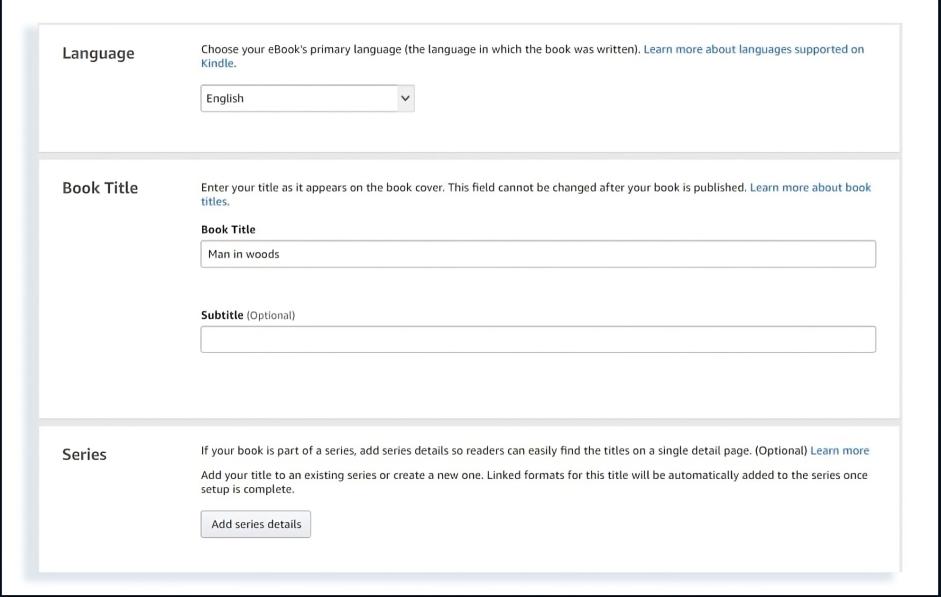
This includes your book title, description, keywords, categories, and setting a price. Pick a title and description that will capture readers’ attention. Select two categories and seven keywords that best fit your book. You can price your ebook between $0.99 to $9.99. For print books, the minimum is $2.99.
Uploading and previewing your book
Upload your manuscript as a Word doc or HTML file and your cover as a JPEG or TIFF file. Preview how your book will look on various Kindle devices to ensure proper formatting before publishing. Make any necessary changes at this point.
Publishing your book
Once your preview looks good, click “Publish Your Kindle eBook” or “Publish Your Paperback” to release it to Amazon’s stores. It can take up to 72 hours for your ebook to appear in the Kindle Store and up to a week for your print book to show up on Amazon.
Making changes and earning reports
You can make changes to your book details or content at any time. Check your sales reports and payment info in your KDP account. Royalties are paid approximately 60 days after the end of the month in which the sale was made.
Publishing on KDP puts your book in front of millions of readers around the world. With some patience and persistence, you’ll be well on your way to becoming a published author! Let me know if you have any other questions.
Amazon Kindle Direct Publishing guidelines for formatting and cover design
When publishing your ebook on Kindle Direct Publishing, following their strict formatting guidelines is key. Your book’s appearance and readability depend on it.
File type
Amazon accepts files in .doc, .docx, .pdf, and .html formats. They recommend submitting a .doc or .docx file so they can convert it to the proper Kindle format. PDF files don’t always convert well and may require additional formatting. Save your file as “booktitle_content.doc” replacing booktitle with your actual book title.
Fonts and spacing
Use standard fonts like Times New Roman, Arial, or Courier or there are many amazing free fonts available on the web. We recommend a size between 10 to 14 points. Double space lines and indent the first line of each paragraph by half an inch. Don’t use tabs or spaces to indent. Use the default settings in your word processor.
Images and tables
They are supported but must also follow the formatting guidelines. Images should be in .jpg, .gif, or .png format and a minimum size of 600 by 800 pixels. Place images in line with text or center them. Add alt text for screen reader accessibility. Tables should be simple with no color formatting or cell merging.
Page layout
Set your page size to 6 inches by 9 inches, which is the standard size for most ebooks. Use 1-inch margins on all sides and don’t include headers, footers, or page numbers. Kindle automatically adds page numbers that correspond to a reader’s font size and screen size.
Cover design
Your ebook cover is the first thing readers see and can heavily influence their decision to download your book. The cover should be eye-catching but still conform to Kindle’s technical requirements. Submit a 2400 by 1800 pixel .jpg or .png file with your manuscript. Keep the front cover free of too much text so it’s easy to read as a thumbnail.
Maximizing your book’s visibility on Amazon KDP
Now that your book is published, the real work begins—getting it in front of readers. With millions of books for sale on Amazon, you’ll need to optimize your book’s visibility to increase sales and downloads.
Choose an eye-catching cover and title
A professional cover and catchy title are your first chance to capture a reader’s attention. An amateur-looking cover won’t entice many clicks. Your title should convey your book’s genre, topic or theme clearly while being memorable and unique.
Write an engaging book description
Your book description is valuable real estate. Keep it concise at 400 characters or less, focusing on an exciting hook, your book’s value, and its target audience. Mention bestselling authors or books similar to yours to give readers context. Use action words and short sentences or bullet points for easy reading.
Set a competitive price
You’ll want to find the sweet spot between maximizing your profit and attracting the most readers. Check what similar books in your genre and of similar length are selling for. You can always run price promotions later to boost sales and rankings.
Enroll in KDP Select (optional)
KDP Select is an optional program offering promotional tools to increase exposure. When you enroll a book, it must be exclusive to Kindle for 90 days. Benefits include Kindle Countdown Deals, free book promotion days, and access to the Kindle Owners’ Lending Library. Many authors have found success through KDP Select.
Promote your book actively
Don’t just publish your book and hope for the best. Actively spread the word to build momentum. Share news of your new release on social media, on your blog or newsletter, and with influential readers. Run a free book promotion. Apply for book awards and submit to review sites. Engage with your readers by responding to their reviews and questions. The more you promote, the more visibility your book will gain.
With time and continuous optimization, your book can gain more visibility and rise in Amazon’s ranks, leading to a steady flow of new readers and more sales. But remember, the key to success is keeping your book in front of people so they have a chance to discover it.
Marketing and promoting your book on Amazon Kindle Direct Publishing
After your book goes live on Amazon, the real work begins—marketing and promotion. While Amazon does provide some basic tools to help increase your book’s visibility, you’ll need to take an active role in spreading the word about your new release.
Build your book page
Make sure you have an enticing book description, eye-catching cover, and choose appropriate search keywords to help readers find your book. The book page is your digital storefront, so spend time optimizing it.
Run a Kindle countdown deal
For a limited time, you can discount your ebook by up to 99% to boost sales and climb the bestseller charts. The higher your sales rank, the more visibility you’ll gain. Time your deal to take advantage of peak sales periods.
Promote on social media
Start building buzz on platforms like Facebook, Twitter, and Goodreads. Post updates, share your book page, run giveaways and contests. Engage with readers and encourage them to post reviews. Respond to all comments and reviews to foster a connection with your audience.
Run an Amazon ad campaign
Amazon offers pay-per-click ads that can increase your book’s visibility on Kindle and in Kindle Unlimited. You only pay when someone clicks your ad, so start with a modest daily budget and adjust based on performance. Target relevant keywords, categories, and audiences to reach potential readers.
Reach out to book reviewers and bloggers
Having reviews, especially from well-known book bloggers and websites, builds credibility and social proof that can convince readers your book is worth their time. Do some research to find reviewers and bloggers in your genre, then politely pitch them to consider your new release for review. Offer to provide a free ebook copy in exchange for an honest review.
With time and consistency, employing these marketing strategies can pay off through increased sales, more reviews, and a growing dedicated readership eagerly awaiting your next book. While patience and persistence are required, the rewards of self-publishing on KDP make the effort worthwhile. Keep writing, keep promoting, and keep building your audience.
Pricing your book on Amazon KDP
The pricing of your Kindle ebook is one of the most important decisions you’ll make. Price it high and readers may not take a chance on an unknown author. Price it low and you could be leaving money on the table. When determining your price, there are a few factors to keep in mind.
Consider your target audience and genre. Certain genres like romance or science fiction often have lower price points, around $2.99 to $4.99. Nonfiction books, especially those in the “how-to” category, can usually command a higher price from $6.99 up to $9.99 or more. Check what similar and successful books in your genre are selling for to determine a competitive price range.
Think about your book’s length as well. As a general rule of thumb, price shorter works (under 150 pages) on the lower end of the range, around $2.99 to $4.99. For longer books (200+ pages), you have more flexibility to price from $4.99 up to $9.99 or above.
Remember, you can always adjust and experiment with different price points. When you first publish, you may want to start on the lower end to attract readers. Once you start getting reviews and building momentum, you can try increasing the price to see if sales remain steady or improve. Many authors find the sweet spot is between $3.99 to $6.99 for most books.
You earn 70% royalties on Kindle ebooks priced from $2.99 to $9.99. Above or below that range, your royalty drops to 35%. While earning 70% is appealing, don’t price solely based on royalties. Focus on finding the optimal price for maximizing revenue and building your readership.
In the end, you need to go with what feels right based on your book and instincts as an author. Don’t agonize over the decision, as you can always change it. The most important thing is getting your book in front of readers. Price accordingly and then keep tweaking to find the perfect price point.
Managing reviews and ratings on Amazon KDP
Reviews and ratings are essential to the success of your Kindle ebook. As an author, actively monitor and manage your reviews to build credibility and encourage more readers.
Check your reviews regularly to look for trends in reader feedback. See what readers love about your book and what could use improvement. Use this insight to make your next book even better. Also, watch for any overly harsh or unfair reviews and consider responding professionally and politely if needed.
Thank readers who leave positive reviews. Send a quick message to express your gratitude for their kind words and support. Readers who feel appreciated are more likely to review your future books.
You can also ask close friends and family to leave an honest review on Amazon to help get the ball rolling. Just be sure to tell them to mention their connection to you to avoid any policy violations. Once you have a few reviews, other readers will feel more comfortable posting their own reviews.
Pay attention to your overall star rating on Amazon, which is the average of all reviews. A higher rating, especially 4 stars and up, will make your book rank higher in search results and drive more traffic. If your rating drops below 3.5 stars, that is a sign you may need to make improvements or updates to win back readers.
While you can’t control every review, you can take steps to cultivate a positive experience for readers. Focus on high quality writing, editing and formatting. Choose cover art and a book description that accurately represents what’s inside. And engage with your readers through social media to build anticipation ahead of release.
The key is staying actively involved in the process. Managing your reviews and ratings will help you gain valuable insight into your readers’ experience. Pay attention to the details, make ongoing improvements, and keep striving to earn those 5-star reviews!
Conclusion
So there you have it – the ultimate guide to getting your book published on Amazon through Kindle Direct Publishing. By now you should feel confident and empowered to take the plunge! Remember, the key steps are to format and edit your manuscript, design an eye-catching cover, choose the right keywords, write an engaging description, set a competitive price, and market your book. With a bit of time and effort, you’ll be well on your way to becoming a published author. The possibilities are endless when you make your book available to millions of readers on Amazon. So what are you waiting for? It’s time to hit that publish button and watch your book take flight.
The post Mastering Amazon Kindle Direct Publishing: A Comprehensive Guide appeared first on Amazon-ASIN Blogs - Latest from Amazon Sellers: News, Advice, and Effective Strategies.
]]>The post The Best Amazon Repricing Strategies for FBA Sellers appeared first on Amazon-ASIN Blogs - Latest from Amazon Sellers: News, Advice, and Effective Strategies.
]]>A quick peek into the article:
- What is Amazon repricing
- Understanding the importance of Amazon repricing strategies
- Benefits of using Amazon repricing strategies for sellers
- Factors to determine Profit reprice on Amazon
- Types of Amazon repricing strategies
- Best Amazon repricing strategies for sellers
- Amazon repricing tips and tricks
- Implementing Amazon repricing strategies for FBA sellers
- Choosing the right repricing software for Amazon sellers
- Conclusion
What is Amazon repricing
Amazon repricing is the process of automatically adjusting your product prices on Amazon to stay competitive. As an FBA seller, repricing your inventory is key to maximizing sales and profits.
Repricing tools monitor your product prices and those of your competitors 24/7. They track price changes for the same or similar items and make automatic adjustments to your listings to keep you competitive.
Competitor Price Matching
These tools can match the price of the lowest-priced competitor for your product. This strategy works well if there are many sellers offering the exact same product. You’ll win the “Buy Box” and make the sale as long as you match the best price.
Profit Margin Targets
Rather than just matching competitors, many sellers set profit margin targets for their products. Repricing software then adjusts your price to stay above your target margin while still ranking well for the “Buy Box”. This balanced approach helps you make profitable sales.
Floor Prices
You’ll also want to set a “floor price” for your items, which is the lowest price you’re willing to go. Your repricing software will never drop your price below this floor price, protecting your profit margins.
Ceiling Prices
Some tools allow you to set a “ceiling price” as well, which is the highest price you want to charge for an item. This can prevent your software from raising prices higher than customers are willing to pay.
By leveraging repricing software and the right strategy for your products, you can automate one of the most tedious parts of selling on Amazon while maximizing your profits. The savings in time and the boost in sales will more than make up for the small investment in a repricing tool.
Understanding the importance of Amazon repricing strategies
If you want to stay competitive and boost sales on Amazon, repricing your Amazon listings is key.
Keep an eye on competitors who are selling similar products. See what they’re pricing items at and determine if you need to make any changes to your own prices to remain competitive. You want to price your goods competitively but still at a point where you’re making a profit.
Price according to the season
You’ll also want to consider the season and any sales events going on. Around the holidays or during big sale events like Prime Day, you may need to drop your prices to match competitors. After the rush, you can raise them again. The goal is to keep prices as high as possible while still getting a good number of sales.
Use repricing tools
The most effective way to handle repricing on Amazon is through automated repricing software. These tools can instantly adjust your prices based on your chosen settings and parameters. They monitor your listings and competitors’ prices continuously and make changes as needed to keep you competitively priced.
Some popular options for Amazon sellers include RepriceIt, and Sellery. They range in price but many have free trials so you can test them out and see which one works best for your needs.
For Amazon FBA sellers, keeping up with repricing is essential. With some time and effort put into an effective repricing strategy and tools to automate the process, you’ll keep your listings competitive, boost your sales, and ultimately increase your profits. Staying on top of the competition and adjusting quickly is key to success on Amazon.
Benefits of using Amazon repricing strategies for sellers
Using repricing strategies on Amazon can offer significant benefits for third-party sellers. By automatically adjusting your prices based on competitors and the marketplace, you can boost your sales and profits.
Increase your sales
When you use repricing software, your listings will be consistently priced competitively. This means you have a better chance of appearing higher in search results and the Buy Box, which can drive more traffic and conversions. Studies show that appearing in the Buy Box can increase your sales by up to 90%! Repricing tools make it easy to get the pricing just right to increase your visibility.
Improve your profit margins
Repricing not only helps you get more sales, but it also helps you get the best price for each sale. The software will automatically lower your price to match the competition when needed to make a sale. But it will also raise your price when the market allows for it, so you can achieve the maximum profit from each transaction. Over time, these small price optimisations can add up to big increases in your profit margins.
Save time
Manually checking and adjusting hundreds or thousands of SKU prices every day is extremely time-consuming and tedious. Repricing software handles all of this for you automatically in the background. It constantly monitors price changes across the marketplace and makes instant adjustments to your listings as needed 24 hours a day, 7 days a week. This frees up your time to focus on other important areas of your business like product sourcing, customer service, and product development.
Using Amazon repricing strategies is a win-win for sellers. You can gain significant benefits with minimal effort required. The small investment in repricing software can pay off quickly through increased sales, higher profits, and time savings. For serious Amazon sellers, repricing tools are a must-have to stay competitive and scale your business.
Factors to determine Profit reprice on Amazon
Your Margin
The profit margin you want to make on each sale is key. Look at your product costs and determine a target margin that will allow you to still profit after Amazon’s fees. You need to account for costs like shipping, storage, and packaging too. As a rule of thumb, aim for at least a 30-40% margin for most products. Reprice down only as low as you can go while still hitting your margin target.
Your Competitors’ Prices
See what your competitors are charging for the same or similar products. You need to stay competitive, so you’ll want to match or beat their prices when possible. Check their prices regularly and adjust yours accordingly. Undercutting the competition a bit is a good strategy, but don’t start a “race to the bottom” where prices keep dropping lower and lower.
Your Sales Rank
If your sales rank is dropping or stagnant, it may be time to reprice lower to spur more sales. The higher your rank, the more visibility you’ll get on Amazon, leading to more organic sales. Repricing 5-10% lower can significantly boost your rank. However, don’t reprice too low, or you’ll cut into your profit margin. It’s best to start with small price decreases, evaluate the impact, and go from there.
When determining the right repricing strategy, you need to find the optimal balance between maintaining your profit margin, staying competitive, and improving your sales rank. The factors are interconnected, so a change to one can influence the others. Start conservatively by lowering prices in small increments, then adjust based on how your key metrics respond. With regular monitoring and tweaking, you can land on a repricing strategy that maximizes your Amazon success.
Types of Amazon repricing strategies
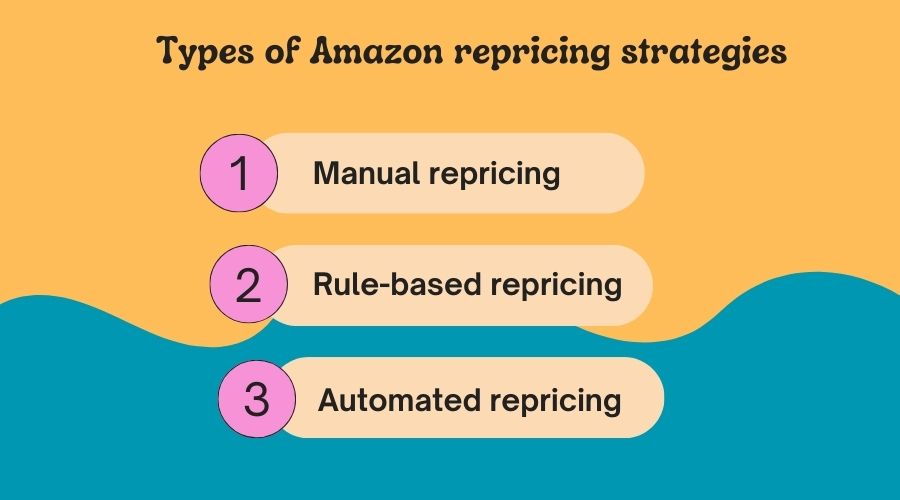
When selling products on Amazon, one of the most important things you need to get right is your pricing strategy. There are a few common repricing strategies used by successful Amazon sellers.
Manual repricing
This is when you manually adjust your prices based on what your competitors are doing. You regularly check your competitors’ listings and change your prices accordingly. This can be time-consuming but gives you maximum control. You can make strategic price changes based on your competitors and your profit margins. However, it may be hard to keep up with frequent price changes in fast-moving markets.
Rule-based repricing
With rule-based repricing, you set up a series of rules in your repricing software that automatically adjust your prices based on conditions you specify. For example, you can set a rule to undercut the lowest competitor by 5% or reprice your item if your sales rank drops below a certain level. Rule-based repricing gives you more flexibility than fully automated repricing but still saves you time. You need to carefully craft your rules to avoid unwanted price wars.
Automated repricing
Algorithmic or automated repricing uses software powered by machine learning algorithms to dynamically change your prices based on marketplace conditions. The algorithms analyze factors like your competitors’ prices, sales volumes, and more to determine optimal prices for your items. Automated repricing is hands-free but you relinquish a lot of control over your pricing. If not set up properly, it can lead to unwanted price drops or price wars. However, when done right, algorithmic repricing can help you maximize sales and profits.
The repricing strategy that is right for you depends on your products, resources, and how much control you want over your pricing. Many Amazon sellers use a hybrid approach, combining multiple strategies for the best results. With some experimenting, you can find the perfect repricing mix for your business.
Best Amazon repricing strategies for sellers
One of the best ways to increase sales and rankings on Amazon is through strategic repricing. As an FBA seller, you have a few options to choose from.
Automated repricing
Using automated repricing software is one of the most effective ways to reprice inventory. These tools automatically adjust your prices based on your competitors’ prices and your profit margins. They can reprice items 24 hours a day, 7 days a week. Lands’ End, for example, uses automated repricing to compete on Amazon.
Manual repricing
Manually repricing your products takes time and effort but gives you more control. You can adjust prices for certain items or use custom formulas. However, it can be difficult to keep up with your competitors’ constant price changes. Only manually reprice high-profit or bestselling items and use automated tools for the rest of your catalog.
Price matching
With price matching, you set a rule to automatically match the lowest competitor’s price for your products. This strategy aims to keep you as the featured offer and gain the “Buy Box.” However, matching rock-bottom prices can cut into your profit margins. Only price match for a short period of time, such as 24 hours. Then return to your normal pricing.
Loss leader pricing
A loss leader pricing strategy involves lowering prices on certain products to drive traffic and increase sales, even if you lose money on those items. The goal is to make up for losses with sales of other products. Only use loss leader pricing for a limited time on selected products to bring more customers to your listings. Make sure you have other well-priced items they may buy.
Using a combination of these repricing strategies based on your profit margins and competition can help boost your Amazon sales and rankings. The key is finding the right balance for your business. With regular monitoring and adjustments, you’ll be well on your way to success as an Amazon seller.
Amazon repricing tips and tricks
As an Amazon seller, repricing your products is key to staying competitive. Here are some tips to keep in mind:
Adjust prices frequently
Amazon’s marketplace is fast-paced, so check your prices often and make changes as needed. Aim for checking prices at least once a week or even daily. You may need to lower prices to match competitors or raise them if demand increases. The more frequently you reprice, the more sales you’ll likely get.
Set your floor price
Determine the lowest price you’re willing to sell an item for so you don’t end up losing money. Factor in your product costs and fees when setting a floor price. Repricing tools can be set to never go below your floor price.
Reprice based on the competition
See what your competitors are charging for the same or similar products. You may need to lower your price to get the buy box and more sales. But don’t engage in a “race to the bottom.” Only lower your price as much as needed to remain competitive.
Reprice based on demand
If a product is selling well and demand is high, you may be able to raise your price. Look for opportunities to increase your price, especially if competitors have also raised their prices or are out of stock. But don’t raise prices so high that demand drops off.
Automate your repricing
For the best results, use an automated repricing tool. These tools can instantly adjust your prices based on factors like competitor prices, demand, and your sales and profit goals. Automated repricing is really the only way to keep up with the constant fluctuations in Amazon’s marketplace.
Using these repricing strategies and tips, you’ll be able to better compete on Amazon and optimize your sales and profits. Be responsive to changes and willing to adjust your prices as often as needed. While it does take time and effort, repricing your products is well worth it.
Implementing Amazon repricing strategies for FBA sellers
As an FBA seller, one of the most effective ways to increase your sales and profits is through strategic repricing. Repricing tools automatically adjust your product prices based on your competitors and the market. The key is finding the right balance to remain competitive but still maximize your margins.
To start, do some research on your main competitors and see how they’re pricing similar products. You want to aim for pricing in the same general range, possibly a bit lower to help boost your visibility. Don’t go too low, or you’ll cut into your profits. A good rule of thumb is to price 10-15% lower than the competition.
Next, set minimum and maximum price points you’re willing to sell at for each product. The minimum should at least cover your costs, while the maximum depends on your profit goals. Let your repricing tool work within this range to find the optimal price at any given time based on the current market.
You’ll also want to configure your repricing rules. For example, you can set a rule to always be the lowest priced option or among the top 3 lowest prices. Or have your price match the average of other sellers. The more complex your rules, the more time it will take to optimize, so start simple.
Monitor how your new pricing strategy is impacting your sales and profits over time. Make adjustments as needed to the price range and rules for each product. Repricing well takes continuous testing and tweaking. But when done right, it can significantly boost your bottom line as an FBA seller.
The keys to success are starting slow, keeping a close eye on the competition and your financial metrics, and being willing to adapt. With the help of repricing tools and the right strategies, you’ll be well on your way to achieving maximum sales at the best prices.
Choosing the right repricing software for Amazon sellers
When it comes to repricing your FBA inventory, you have options. Repricing software, also called repricing tools, can automatically adjust your prices based on your competition and the metrics that matter to you. As an Amazon seller, choosing a repricing solution that suits your unique needs is key.
Some things to consider when evaluating repricing software are:
Flexibility – Look for a repricer that lets you set customized rules based on your priorities. Maybe you want to be the lowest priced option or maybe you have a minimum price threshold. The right repricer for you will provide options to determine how aggressive or conservative you want your pricing to be.
Ease of use – Repricing software should be intuitive and simple to set up and manage. You don’t want to waste time struggling with an interface that is confusing or cluttered. Look for a clean design and seamless workflow.
Metrics – The repricing solution you choose should track the metrics that are most important to your business like BSR (Best Seller Rank), sales volume, and inventory age. Make sure any repricer you consider provides the data and insights you need to make informed pricing decisions.
Customer support – Things can go wrong with technology, so responsive customer support is a must. Look for a repricer that provides helpful resources and assistance when you need it.
Compatible – Choose a repricing solution that works with the sales channels you use, like FBA. The software should be able to easily connect to your seller accounts to automatically adjust prices.
Free trials – Many repricing tools offer free trials so you can test them out before committing. Take advantage of any free trials to determine which solution is the best fit for your needs.
The repricing software you select can have a big impact on your bottom line. Evaluating your options carefully and choosing a solution tailored to your priorities as an Amazon seller will help ensure your success. With the right repricer in place, you’ll have peace of mind that your inventory is priced competitively while still meeting your financial goals.
Conclusion
The best Amazon repricing strategies for your FBA business. Repricing is crucial to staying competitive and maximizing profits. Take the time to find and implement the right repricing approach for your products. Keep testing, stay on top of competitors, and let the algorithms work their magic. With the right repricing plan, you’ll be poised to dominate the Buy Box. But don’t just take my word for it – try these strategies for yourself and watch your sales take off.
The post The Best Amazon Repricing Strategies for FBA Sellers appeared first on Amazon-ASIN Blogs - Latest from Amazon Sellers: News, Advice, and Effective Strategies.
]]>The post Amazon Search Frequency Rank Unveiled: Boosting Your Seller Profile appeared first on Amazon-ASIN Blogs - Latest from Amazon Sellers: News, Advice, and Effective Strategies.
]]>In this article, I’ll break down exactly what Amazon search frequency rank is, why it matters, and how you can use it to your advantage as a shopper. You’ll learn insider tips to decode this mystery metric and leverage it to find the best sellers and deals. Whether you’re a seasoned Amazon addict or just an occasional shopper, you’ll discover easy tricks to become a search frequency rank expert. So read on to unlock the secrets of this obscure ranking system and become an Amazon pro!
Quick Guide:
- What Is Amazon Search Frequency Rank?
- Understanding the importance of Search Frequency Rank for Amazon sellers
- How does Amazon calculate the Search Frequency Rank?
- Factors that influence the Search Frequency Rank on Amazon
- How to find your Search Frequency Rank on Amazon
- Interpreting the meaning of your Search Frequency Rank
- Strategies to Improve Your Search Frequency Rank on Amazon
- Leveraging Amazon Brand Analytics for Search Frequency Rank Insights
- Tools and resources to monitor and track your Search Frequency Rank
- Conclusion
What Is Amazon Search Frequency Rank?
On Amazon, search frequency rank refers to how often a search term is entered by customers on the site. The higher the search rank, the more popular the search term. As an Amazon seller, knowing the search frequency rank of keywords related to your product can help you optimize your listings and increase visibility.
How is search frequency rank determined?
Amazon uses an algorithm to determine the popularity of search terms based on how often customers enter them. The algorithm analyzes searches over time to identify trends in what customers are looking for. Search terms that have a higher volume and consistency of searches will receive a higher rank.
Why does search frequency rank matter? Knowing the search frequency rank of keywords can help you make better decisions about how to optimize your product listings. Focusing on high-ranking search terms in your title, bullet points and product description can help increase the visibility of your listings. When customers search for those popular terms, your product has a better chance of appearing on the first page of results.
For example, say you’re selling a new style of headphones. You might assume that using the search term “wireless headphones” is a good approach. But if you check the search frequency rank and find that “Bluetooth headphones” is actually a more popular search with a higher rank, you’ll want to incorporate that term prominently in your listing instead. Optimizing for the most popular search terms gives you the best opportunity to get in front of customers.
How can I check the search frequency rank of keywords?
There are a few ways to determine the search frequency rank of keywords on Amazon:
- Use the Amazon Keyword Tool. This free tool allows you to enter search terms and see data like the estimated monthly search volume and rank. The higher the rank, the more popular the search term.
- Check sites that offer Amazon keyword research tools. Some options like SellerApp offer paid keyword trackers that provide search volume and rank data.
- Analyze autocomplete suggestions. When you start typing a search term into the Amazon search bar, a list of autocomplete suggestions appears. Terms at the top of this list tend to have a higher search frequency rank.
- Examine related search terms. Once you enter a search term on Amazon, a list of related searches appears. Terms at the top of the related searches section often have a higher rank.
- Review Amazon’s Movers and Shakers. This section shows search terms that have had the biggest increases in search volume over the past 24 hours. Terms on this list are rising in popularity and search frequency rank.
Tracking search frequency rank is an important part of optimizing your Amazon listings and improving visibility. Focus your keyword research on those highly-ranked search terms that are
Understanding the importance of Search Frequency Rank for Amazon sellers
Search Frequency Rank (SFR) is one of the most important metrics for any Amazon seller to monitor. It represents how often your product listing appears in search results on Amazon, which directly impacts your sales and visibility. The higher your SFR, the more frequently your product will appear in search results when customers search for related keywords.
Why does SFR matter?
As an Amazon seller, driving organic traffic to your product listings is key. The more often customers see your product in the search results, the higher the chance they will click through and purchase. A higher SFR means your product has a greater opportunity to be discovered by new potential customers, resulting in more traffic and sales.
How is SFR determined?
SFR depends on a combination of factors, including:
- Relevance: How well your product listing matches what the customer is searching for. Things like using targeted keywords, rich product titles and descriptions, and accurate product categorization all help.
- Sales velocity: How fast your product is selling. Faster-selling products are ranked higher because Amazon wants to show customers the most popular, in-demand products.
- Reviews: Having a high number of positive reviews will boost your SFR. Reviews build social proof and credibility, signaling to Amazon that your product should be ranked higher.
- Click-through rate (CTR): The percentage of customers who click on your product listing after seeing it in the search results. A higher CTR tells Amazon your listing is relevant and appealing to customers.
- Account health: The overall performance and reputation of your Amazon seller account. Accounts in good standing, without major issues, are rewarded with higher search rankings.
As an Amazon seller, focus on optimizing these key factors to improve your SFR over time. Small changes can have a big impact on your product visibility and sales. Pay close attention to your SFR and rankings to see how you can make steady progress month over month. Improving search frequency is an ongoing process, but the rewards of higher traffic and more customers make it worth the effort.
How does Amazon calculate the Search Frequency Rank?
Amazon uses a variety of factors to determine a product’s Search Frequency Rank. The main components include:
Search volume
The number of times customers search for a particular keyword or phrase on Amazon plays a significant role. Products that match popular search terms tend to rank higher. Amazon tracks search data to identify trending items that customers are actively looking for.
Sales and conversion rates
Products with strong sales and high conversion rates—meaning a large percentage of searches lead to purchases—are likely to achieve a good Search Frequency Rank. Amazon wants to display items that customers are most likely to buy after searching.
Reviews and ratings
Products with many positive reviews and high star ratings from customers are preferred in search results. Items that are rated 4 stars or above, especially those with a high number of reviews, tend to rank higher since they have a proven track record of satisfying customers.
Product details
Complete product listings with titles, bullet points, descriptions, images, and other details that closely match popular search terms will rank better than sparse or poorly optimized listings. Providing a thorough and compelling product detail page helps customers find what they need and improves your item’s discoverability in search.
Competitiveness
The competitiveness of your product category also determines where your item ranks. In crowded niches with many comparable products, it can be harder to achieve a top spot. But in less competitive areas with fewer similar options, you have a better chance of ranking highly for the most relevant search terms.
Selling history
If you’ve been selling on Amazon for a long time and have a solid track record of positive customer experiences, your products are more likely to rank well. New sellers still building their reputation may find it takes time to improve search placement as they establish themselves. Consistently providing great service, value and reliability over the long run will boost your Search Frequency Rank.
Factors that influence the Search Frequency Rank on Amazon
Product Reviews and Ratings
The number and quality of reviews for a product significantly impact its search rank on Amazon. Products with more reviews, especially recent, positive reviews will rank higher in search results. This is because reviews signal to customers that a product is popular, trusted and provides good value. As a seller, encourage happy customers to leave reviews and ratings, and be sure to respond to any negative reviews promptly and professionally.
Keywords in Product Titles and Descriptions
Having relevant keywords, especially high-volume search terms, in your product title, bullet points and description helps Amazon understand what your product is so it can rank it appropriately. Be sure to include important keywords, synonyms and related terms that people are likely to search for. Repeat the primary keyword 2-3 times in the first paragraph of your description. Use keywords naturally and make sure the text still flows well for the reader.
Sales Volume and Conversion Rates
Products that sell more units, especially recently, tend to rank higher in Amazon’s search results. This is because Amazon wants to feature products that customers are actively buying. As a seller, focus on driving more traffic to your product listings using promotions and advertising to increase sales. Optimizing your product photos, titles, descriptions and pricing to maximize conversion rates will also help. The higher your conversion rate, the more sales you’ll get from the same amount of traffic.
Product Availability
Products that are in-stock and available for quick shipping will rank higher than products that are out-of-stock or have long shipping times. Customers on Amazon expect fast, free shipping so the more readily available your product is, the more attractive it will be in search results. As a seller, closely monitor your inventory and reorder stock well before you sell out. Consider offering free 2-day shipping through Amazon Prime to maximize your search rank.
How to find your Search Frequency Rank on Amazon
Amazon’s Search Frequency Rank indicates how often your product listing appears in search results for a particular search term. The lower the number, the higher your ranking for that term. Knowing your Search Frequency Rank for important keywords can help you optimize your product listings and improve visibility.
Check Your Product Listing
The easiest way to find your Search Frequency Rank is by viewing your product listing. Log in to Seller Central and open your product listing. Scroll down to the “Product Listing Details” section. Under “Search Terms,” you’ll see the keywords shoppers used to find your product, along with the rank for each term. The rank tells you how your product ranks for that search in relation to other products.
Run a Trial Search
If you want to check your rank for a specific keyword, perform a trial search on Amazon. Log out of your Seller Central account and search for your main product keyword, like “blue widget.” Scroll through the search results and note the position of your product listing. The position corresponds to your Search Frequency Rank for that term.
For example, if your product is the third listing in the results, its Search Frequency Rank is 3.
Check Sales and Traffic Reports
For additional insight, view your product’s sales and traffic reports in Seller Central. The reports show trends in impressions, clicks, and orders over time. Drops in impressions or clicks for a keyword could indicate your Search Frequency Rank for that term has fallen, reducing visibility. You may need to re-optimize your listing to improve your rank.
Monitoring your Search Frequency Rank and making changes to improve it is key to success on Amazon. With regular checks and the right optimizations to your product listings, you can achieve higher rankings for your most important search terms and increase sales.
Interpreting the meaning of your Search Frequency Rank
Have you ever wondered what your Amazon Search Frequency Rank means and how it’s calculated? This mysterious metric can significantly impact your visibility and sales on Amazon, so it’s important to understand.
Your Search Frequency Rank represents how often customers search for your product or related keywords on Amazon. The lower the number, the more frequently your product is searched for, which usually means higher demand and more visibility. For example, a rank of 10 means your product is searched for more often than a rank of 100. Amazon uses your Search Frequency Rank to determine which products to show customers first in search results.
Some key factors that determine your Search Frequency Rank include:
- Product name and keywords: If your product name and listing contain popular search terms that customers frequently look for, your rank will likely be higher. Optimize your product name, bullet points, and description to include important keywords.
- Competition: The more competitors you have selling similar products, the lower your rank may be. Stand out from the crowd by emphasizing what makes your product unique. Offer promotions to boost visibility.
- Seasonality: Your Search Frequency Rank depends a lot on the seasonality of your product. For example, swimming pool covers will rank higher in the summer versus winter. Plan ahead and time new product launches or promotions to align with peak seasons.
- Recent activity: Your rank is calculated based in part on recent shopper interest and activity on your product listing. New product launches, deals, reviews, questions, and other customer engagement can temporarily increase your rank. Stay active in the community to keep your rank stable.
- Conversion rate: If customers frequently search for your product but rarely purchase it, your rank may start to fall over time. Work on optimizing your product page and listing to improve your conversion rate, which will in turn support a higher Search Frequency Rank.
By understanding the key factors behind your Search Frequency Rank and making ongoing efforts to optimize them, you can unlock more visibility and higher sales on Amazon. Check your rank regularly and make incremental improvements to see steady progress over time. With the right strategy, you’ll be on your way to the top ranks in no time!
Strategies to Improve Your Search Frequency Rank on Amazon
To get an edge and improve your listing’s search rank on Amazon, focus on a few key strategies.
- Focus on optimizing product titles and bullet points by including relevant keywords, especially at the beginning, and emphasizing key features and benefits.
- Optimize the product description with detailed information and target keywords, particularly in the first sentence of each paragraph. Include high-quality images showcasing the product from multiple angles.
- Build reviews by responding to each one, thanking happy customers, and addressing concerns. Reviews enhance the attractiveness of your listing and signal customer satisfaction to Amazon.
- Run promotional campaigns such as deals, coupons, or giveaways to boost sales rank and review count. Consider enrolling in programs like Amazon Vine or the Early Reviewer Program for additional reviews.
- Drive external traffic to your Amazon product page through social media, website promotion, email newsletters, and online ads, using optimized keywords.
- Utilize Amazon advertising options like Sponsored Products ads to bid on target keywords and increase visibility in search results, positively impacting organic rank.
- Consistently implement these strategies to improve search frequency rank on Amazon over time, focusing on optimizing listings, building reviews, driving traffic, and leveraging advertising tools.
Leveraging Amazon Brand Analytics for Search Frequency Rank Insights
Amazon search analytics provide key insights into your brand’s visibility and discoverability on the platform. One of the most important metrics is your search frequency rank – how often your brand ranks on the first page of search results for relevant queries. The higher your search frequency rank, the more shoppers will discover your products organically.
Monitoring your search frequency rank over time helps determine the impact of initiatives to improve your Amazon SEO and product page optimization. Are more customers finding you in search results? If so, your efforts are paying off. If not, it may be time to re-evaluate your strategy.
Check Your Brand’s Search Frequency Rank
Sign in to Amazon Brand Analytics and view the Search Frequency Rank report. This shows your brand’s average rank for a set of your most important search terms. Aim for a rank of 3 or better. If below 5, you have good visibility for those terms. 10 or higher means many shoppers won’t see your listings on page 1, so search optimization should be a priority.
Compare your rank over weeks and months to see progress. Some ways to improve include:
- Optimizing your product titles, descriptions and bullet points with important search terms. Use synonyms and related phrases too.
- Building a strong brand store to increase authority. Add compelling brand content and imagery.
- Generating more reviews. Reviews boost search ranking and encourage more customers to click through.
- Sponsoring products to run as sponsored ads. This immediately lifts search ranking and drives more traffic.
- Improving off-page SEO by getting more high-quality backlinks to your brand store and product pages.
Monitoring your search frequency rank and taking action to optimize your discoverability on Amazon leads to sustainable long term success. As your rank improves over time through your optimization efforts, more and more new customers will find your brand and become loyal.
Tools and resources to monitor and track your Search Frequency Rank
To understand your product’s search ranking on Amazon, you’ll need to utilize a few helpful tools. These resources allow you to gain insight into how frequently your listings appear in search results, your best performing keywords, and how you stack up against competitors.
Seller Central
Your primary resource is Seller Central, Amazon’s interface for merchants. Here you can access sales and traffic reports to view metrics like impressions, clicks, and orders. Check your search term reports to see which keywords are driving the most traffic and sales. See if certain terms have dropped in rank and make changes to your listings or advertising campaigns accordingly.
Keyword tracking tools
Use a third-party keyword tracking tool like SEMrush to monitor your keyword rankings and get alerts if they change. These tools search Amazon constantly to provide you with real-time data on your product rankings for target keywords. They allow you to see how your rankings compare to competitors and across marketplaces. Some tools offer additional features like suggesting high-volume keywords, analyzing reviews, and estimating sales potential.
Sponsored ads
If your product ranks lower in search results than you’d like, sponsored ads can help increase your visibility. Amazon’s advertising platform allows you to bid on keywords to have your product listings appear at the top of search results. Start with a small daily budget and optimize your ads based on performance. As your ads lead to more sales and reviews, your organic rank should also start to improve.
Monitoring your search frequency rank and making data-driven optimizations is key to success on Amazon. While the algorithms behind Amazon’s search engine may be a mystery, with the right tools and resources you can gain the insights needed to strengthen your product listings, improve conversion rates, and ultimately, increase sales. Staying on top of the latest changes and trends in Amazon’s competitive marketplace will ensure your products get found.
Conclusion
So there you have it – the mystery of Amazon search frequency rank decoded. Now that you know how it works, you can use that info to your advantage when optimizing your listings. Just remember, relevancy is key. Make sure your keywords accurately reflect your product so you rank for searches that matter. Monitor your rank regularly and tweak as needed. With a little effort, you can climb those search results pages and drive more traffic to your listings. Who knows, with a strong search frequency rank, your product could be on the first page next time someone searches. So put this newfound knowledge into action and watch those sales start rolling in.
The post Amazon Search Frequency Rank Unveiled: Boosting Your Seller Profile appeared first on Amazon-ASIN Blogs - Latest from Amazon Sellers: News, Advice, and Effective Strategies.
]]>The post Amazon PPC Strategy Secrets: Proven Tactics for Boosting Sales and Visibility appeared first on Amazon-ASIN Blogs - Latest from Amazon Sellers: News, Advice, and Effective Strategies.
]]>Quick Guide:
- Why is an effective Amazon PPC strategy important?
- Key metrics to track for Amazon PPC success
- Advanced Amazon PPC strategies for driving traffic and sales
- Leveraging Amazon-sponsored products for increased visibility and sales
- Amazon PPC hacks for boosting conversion rates and profitability
- Conclusion
Why is an effective Amazon PPC strategy important?
A good PPC (pay-per-click) strategy on Amazon is crucial for success as a seller. It allows you to drive targeted traffic to your product listings by bidding for ad placements on the Amazon search results page. The more effective your PPC campaigns are, the more visibility and sales your products will get.
Increase Product Visibility
With Amazon PPC ads, your products will appear higher up in the search results, making them more visible to potential customers. The ads feature your product image, title, price and a short promotion to grab attention. For new products, PPC is essential for gaining exposure until you build up organic rankings.
Reach More Potential Customers
PPC ads on Amazon put your products in front of people actively searching for items like yours. Those searchers have a higher chance of converting into customers. With the right targeting, you can reach potential customers interested in your particular product category, brand or niche.
Higher Conversion Rates
Customers who click on your PPC ads tend to have a higher purchase intent since the ads match their search query. This can lead to higher conversion rates compared to organic traffic. By optimizing your PPC campaigns, you can achieve conversion rates of 10-30% or even higher for some products.
Valuable Data to Optimize Campaigns
Amazon PPC provides data and metrics to help you optimize your campaigns. You can see impressions, clicks, spend, sales, ROI and more for each ad and keyword. Analyze what’s working and make changes to improve performance over time. With regular optimization, you’ll achieve lower costs per click and higher returns on your ad spend.
In summary, a well-optimized PPC strategy on Amazon can be a game changer for your business. It allows you to gain more control over your product visibility, reach high-intent customers, boost conversion rates and ultimately drive more sales. The key is starting with a strong PPC foundation and continuously optimizing based on the data.
Key metrics to track for Amazon PPC success
To optimize your Amazon PPC campaigns, you must closely monitor key metrics that provide insights into your ads’ performance. By tracking these numbers, you can make data-driven decisions to improve your PPC strategies over time.
Impressions
This number represents how many times your ad has been shown to shoppers on Amazon. A higher number of impressions means more visibility for your product listing. However, too many impressions with few clicks can signal your ad isn’t compelling or targeted properly. Aim for an impressions-to-clicks ratio of at least 1:10.
Clicks
The number of clicks shows how many shoppers have tapped on your ad. More clicks usually mean a higher product ranking and sales. Track your click-through rate (CTR), which is your clicks divided by impressions. A CTR of 1-3% is average for Amazon PPC ads. If your CTR is low, try changing your ad copy or targeting to improve relevance.
Spend
Your total PPC spend includes how much you’re paying Amazon for each click and impression. Closely monitor your daily and monthly budgets to ensure you’re maximizing your ad’s potential without overspending. Make adjustments as needed to your bids and budgets to achieve a target cost per click (CPC) and return on ad spend (ROAS).
Conversions
The ultimate goal of your PPC campaigns is to drive sales and conversions of your product listings. Regularly check your total orders, units sold, and sales from your PPC ads. Then calculate your conversion rate and ROAS to determine if your PPC strategies are profitable. Tweak your ads and budgets to improve your numbers over time.
By frequently analyzing these key metrics, you’ll gain valuable insights into how to refine your Amazon PPC campaigns for optimal success. Making data-driven decisions based on performance will help you achieve your goals and maximize your advertising ROI.
Advanced Amazon PPC strategies for driving traffic and sales
Once you’ve mastered the basics of Amazon PPC, it’s time to dive into some advanced strategies to boost your traffic and sales.
Target high-value keywords
Rather than bidding on broad match keywords, focus on targeted phrase, exact match keywords and longtail keywords that are relevant to your specific products. These high-value keywords, like product names and model numbers, are more likely to lead to conversions since they show your ads to people who are actively searching for what you sell.
Adjust bids based on performance
Don’t leave your PPC bids static. Monitor how your ads are performing and make regular adjustments to your keyword bids. Increase bids on keywords that are driving a high volume of clicks and sales. Decrease bids or remove underperforming keywords that aren’t generating results.
Use negative keywords
Negative keywords prevent your ads from showing for certain search terms. Add negative keywords like ‘free’ or ‘cheap’ to avoid attracting bargain hunters. You can also add the names of competitors or complementary products as negative keywords. This helps ensure your ads are only shown for relevant searches.
Create product targeting campaigns
Rather than running one big campaign for your entire catalog, create separate campaigns for your key products or product categories. This makes it easier to optimize bids and ad copy based on how each product performs. You have more control over driving traffic to your bestselling and highest margin products.
Use dynamic ad copy
Take advantage of dynamic ad copy to automatically customize your headline and ad copy based on the keyword or product someone searches for. This results in highly targeted ads and higher click-through rates. You can include things like product names, attributes, sizes, etc. in your ad copy which will change dynamically based on the search.
Monitor and optimize regularly
PPC success doesn’t end after launching your campaigns. Monitor your key metrics like impressions, clicks, spend, and sales regularly and make optimizations to improve performance. Pause underperforming ads and keywords. Increase bids on high-performing ones. Update ad copy and images. The more you optimize, the better your results will be.
Leveraging Amazon-sponsored products for increased visibility and sales
Amazon-sponsored products, like Sponsored Products and Sponsored Brands, are advertising opportunities that allow you to promote your listings to shoppers on Amazon. By bidding on targeted keywords, your listings can appear at the top of search results and on product detail pages. This increased visibility leads to more clicks and conversions.
Choose the right campaign type
Sponsored Products campaigns let you bid on individual keywords to promote specific products. This is ideal if you want to drive traffic to bestselling items or new product launches. Sponsored Brands campaigns promote your brand and product portfolio. They appear at the top of search results and include your brand logo, a headline, and up to three of your products. Both campaign types allow you to set custom bids by keyword to maximize your budget.
Optimize your targeting
Carefully choose the keywords you want to bid on based on your products and brand. Look for high-volume search terms that are directly relevant to what you sell. You can also leverage Amazon’s auto-targeting feature to automatically target relevant keywords. Focus on terms that generate a high conversion rate to sales. Review and refine your targeting over time based on performance.
Set the right bid prices
You want to bid high enough to gain strong visibility in search results but not so high that your budget is depleted quickly. A good rule of thumb is to start with the suggested bid and then adjust based on your performance goals. For the best results, you may need to set different bids for different keywords. Monitor your campaign regularly and make changes to capture the most value from your advertising budget.
Measure and optimize
Analyze metrics like impressions, clicks, sales, and return on advertising spend (ROAS) to see how your campaigns are performing. Make adjustments to improve results over time. You may need to add new keywords, remove underperforming ones, or adjust your bids. Small tweaks can lead to big benefits, so ongoing optimization is key to success with Amazon-sponsored products.
With the right strategy, Amazon-sponsored product campaigns can significantly boost your brand visibility and drive more sales. But as with any advertising, you need to invest the time to manage your campaigns properly to gain the best returns.
Amazon PPC hacks for boosting conversion rates and profitability
Optimize your product listings
The content and images in your product listings have a direct impact on your PPC campaign’s performance. Compelling titles, descriptions, and high-quality photos will capture shoppers’ attention and increase click-through rates. Make sure your listings highlight the key benefits and features of your products. Keep your content concise yet persuasive.
Choose the right match types
Amazon PPC offers three match types: broad, phrase, and exact. Broad and phrase matches will show your ads to more potential customers but may result in lower conversion rates. Exact matches target shoppers specifically searching for your product by name, so they often convert better. Testing different match types for your campaigns can help find the right balance to optimize your ad spend.
Set a reasonable daily budget
While it can be tempting to set an aggressive daily budget in hopes of gaining more traffic and sales, this strategy often backfires. Start with a modest daily budget that you can afford, even during slow periods. As your PPC performance improves over time through optimization, you can consider gradually increasing your budget. It’s best to make incremental changes so you can monitor the impact on your key metrics like ACoS and ROAS.
Bid for high-performing keywords
Not all keywords perform equally for driving sales and profits. Focus your PPC spend on keywords that have historically generated the most revenue or conversions for your products. You can view keyword performance data within your Sponsored Products campaign dashboard to determine which search terms deserve the highest bids. Reduce or eliminate bids for underperforming keywords.
Monitor and optimize regularly
The key to successful Amazon PPC is continuous optimization based on performance data. Check your campaign metrics regularly, at least weekly. Look for opportunities to improve click-through rates, conversion rates, and profitability over time. Make incremental changes to your product listings, bids, budgets, and targeting to optimize your ad spend and achieve the best possible ROI. With regular monitoring and optimization, your PPC performance and profits will improve month over month.
Conclusion
So, it’s clear that mastering Amazon PPC strategies is important for success in the highly competitive e-commerce arena. Through employing a mix of techniques such as thorough keyword research, optimizing ads, and managing budgets effectively, sellers can significantly boost their visibility and attract the right audience to their products. Adopting innovative methods like dynamic bidding and segmenting campaigns can also amplify the impact of PPC efforts. Consistently monitoring and analyzing key performance metrics is essential for pinpointing areas needing improvement and refining strategies for optimal outcomes. With dedication, perseverance, and a readiness to adapt to evolving trends, sellers can unleash the full potential of Amazon PPC advertising to drive their business forward. Start incorporating these strategies today to elevate your Amazon business to greater heights!
The post Amazon PPC Strategy Secrets: Proven Tactics for Boosting Sales and Visibility appeared first on Amazon-ASIN Blogs - Latest from Amazon Sellers: News, Advice, and Effective Strategies.
]]>The post Amazon Storefront: A Comprehensive Guide to Building Your Online Retail Presence appeared first on Amazon-ASIN Blogs - Latest from Amazon Sellers: News, Advice, and Effective Strategies.
]]>Quick Guide:
- What Is an Amazon Storefront?
- Benefits of having an Amazon Storefront
- Who can create an Amazon Store?
- Why should you create an Amazon Store?
- How do Amazon Stores work?
- Key features of an Amazon Store
- Setting up your Amazon Store
- Designing your Amazon Storefront
- Promoting your Amazon Store
- Conclusion
What Is an Amazon Storefront?
Amazon storefront allows you to create a customized page to showcase and sell your products on Amazon. It’s like having your dedicated store on the platform. As a seller, a storefront gives you more control and flexibility over the customer experience. You can promote your brand using your business logo, customized design, and content tailored to your products.
Branding
With a storefront, you can strengthen your brand on Amazon. You can upload your business logo, ensuring it prominently features at the top of your storefront. Choose a complementary color theme and font to match your existing brand guidelines. By curating high-quality product images and descriptions and a consistent voice in your content, you can provide a seamless experience for customers shopping in both your standalone store and your Amazon storefront.
Content control
A storefront provides more control over the content for each product listing. You can write optimized titles, descriptions, and bullet points to boost your products’ visibility in Amazon search results. Leverage the additional content fields to inspire customers with lifestyle photos, videos, blog posts, and buying guides. Keep all content on your storefront focused on educating and engaging your target audience.
Promotions and deals
With an Amazon storefront, you can access more advanced selling tools for promotions and special offers. You can create coupons for customers to save on your products. Set up automated promotions like “buy one, get one” deals or bundle multiple items at a discount. Timed deals and flash sales are a great way to drive traffic and increase conversions on your storefront. You can also run contests and giveaways exclusively for your Amazon customers.
A storefront unlocks opportunities to strengthen your presence and increase sales on Amazon. By customizing your storefront and optimizing the content, you’ll provide the best experience for your customers and position your brand as a trusted authority. An Amazon storefront, combined with high-quality products and great customer service, is a recipe for success as an Amazon seller.
Benefits of having an Amazon Storefront
Increase Visibility
With an Amazon Storefront, you can craft a personalized page that presents your products in a centralized location. This makes you much more discoverable to potential customers browsing Amazon. Your products will get more exposure, leading to increased traffic and sales.
Build Your Brand
A Storefront allows you to strengthen your brand on Amazon. You can choose a Storefront name, upload your logo, and select a color theme to match your brand. This helps to establish brand recognition and convey your brand message to customers.
Simplified Management
Managing all your products and listings on Amazon can be time-consuming. A Storefront provides a central hub to help streamline things. You can quickly view metrics for all your products, make bulk edits, and run promotions across multiple items. This simplified management saves you a lot of time and effort.
Promotions and Marketing
Amazon Storefronts provide additional opportunities for promotions and marketing. You can create coupons, lightning deals, and sponsored ads to increase the visibility of your Storefront and drive more sales. You can also run promotions featuring multiple products from your Storefront to cross-sell to customers. These marketing tools help boost traffic and convert more customers.
Analytics and Insights
With an Amazon Storefront, you can access analytics and reporting to help optimize your business. Metrics like page views, unit sales, and conversion rates for your Storefront and products provide actionable insights. You can see what’s working and make data-driven decisions to improve performance. These analytics are key to success selling on Amazon.
Having your own customized Amazon Storefront is a valuable tool for any seller. The many benefits, from increasing visibility to simplifying management and enabling promotions, make Storefronts worth the investment. Put in the work to create an attractive, on-brand Storefront, and you’ll reap the rewards of more sales and success on Amazon.
Who can create an Amazon Store?
Anyone can open an Amazon storefront. The process is free and straightforward. All you need is an active Amazon seller account.
Individual sellers
If you want to sell products, you can easily create a store on Amazon to showcase your goods. You can list your product, set prices, and ship products directly to customers. This is a great option for handcrafted or custom products. Many small businesses and solopreneurs open Amazon stores to increase their reach and boost sales.
Large brands
Major brands also use Amazon storefronts as an additional sales channel. If customers already know and love your products, an Amazon store is an easy way to tap into their loyalty and make your goods even more accessible. Well-known brands like Levis, KitchenAid, and Mattel all have Amazon stores featuring their products.
Dropshippers
Dropshipping has emerged as a widely adopted business model involving the sale of products without the need for inventory management. Upon securing a sale, sellers procure the item from a third-party supplier, who handles the direct shipment to the customer. An Amazon store is ideal for dropshippers since you don’t have to physically handle any products. You can list items from your suppliers, and when you make a sale, the supplier will fulfill the order for you.
Resellers
Resellers source products from manufacturers or distributors and resell them for a profit. If you can find popular goods at a discount, you can list them in your Amazon store and sell them to customers at a markup. Many resellers can build a successful business by buying closeout, liquidation, or overstock inventory and then reselling it on platforms like Amazon.
In summary, Amazon stores are open to individuals, brands, drop shippers, and resellers. The key is finding the right products to sell at the right price. An Amazon store can become a lucrative sales channel for almost anyone with effort and persistence.
Why should you create an Amazon Store?
Opening an Amazon storefront allows you to tap into Amazon’s massive customer base and establish your brand’s presence on the world’s largest e-commerce platform. An estimated 300 million customers shop on Amazon monthly— a huge potential audience for your products and brand.
Increase your sales and revenue.
With so much traffic and purchasing power, Amazon can be a major business sales driver. According to statistics, businesses that sell on Amazon increase their revenue by an average of 26% in their first year. The more products you list, the more opportunities for customers to discover you.
Gain valuable insights
Selling on Amazon provides access to data and analytics that can help optimize your product listings and make better business decisions. You’ll see how many views and orders each product gets, your conversion rates, and what keywords drive traffic. Use these insights to improve your listings, adjust pricing, and determine what products to develop next.
Build brand awareness
While Amazon does own the customer relationship, it’s still a platform to increase brand visibility and recognition. Building credibility and trust in your brand is achievable through crafting professional product listings, maintaining consistent branding across your account, and offering high-quality products. Many customers will shop on your e-commerce store after discovering you on Amazon.
Reach Prime customers
Amazon Prime members, estimated to be over 150 million worldwide, are loyal shoppers and big spenders. By selling on Amazon, your products become available to these desirable customers, who frequently receive free shipping and other benefits. Accessing Prime members can substantially enhance your sales, considering their average annual spending of $1,300 on Amazon.
An Amazon storefront offers an easy way to start selling online with little risk or investment. The benefits to your business in terms of new customers, revenue, data, and brand building can be substantial. While Amazon does take a percentage of your sales, the potential rewards are well worth the fees for many brands. If you want to scale your e-commerce business, Amazon is a channel you can’t ignore.
How do Amazon Stores work?
As an Amazon seller, opening your Amazon storefront allows you to create customized spaces to showcase your brand and products. Think of it as your virtual store on the Amazon platform. Customers visiting your store will see your brand logo and the products you choose to feature. You have full control over your store’s layout, categories, images, and content.
Choose a Store Name and Custom URL
First, you must pick a store name and custom URL (like yourbrand.com/store) to help customers find your products. Your store name should be consistent with your brand and easy to remember. The URL will become the web address for your storefront.
Select a Storefront Design
Amazon offers customizable designer storefront templates tailored to align with your brand identity. These templates allow you to personalize elements such as colors, fonts, and layout, empowering you to craft a distinctive appearance. Whether you specialize in clothing, jewelry, home decor, or other niches, Amazon provides various template options to suit your needs. Alternatively, if you prefer complete control, you can construct your storefront from the ground up using their intuitive design tools.
Curate Your Product Selection
Decide which of your products you want to feature in your store. You might highlight your best sellers, newest items, or products in a particular category. You can organize them into sections like “New Arrivals” or “Customer Favorites.” Only choose products that are currently available for sale to avoid disappointing customers.
Write Engaging Content
Add custom content like blog posts, images, and videos to bring your store to life. Educate customers about your products and brand or provide style tips and advice. Creating valuable content establishes your authority within your industry and incentivizes customers to choose your brand. Consistently updating your content is essential to maintain customer engagement and encourage repeat site visits.
An Amazon storefront allows you to provide a personalized shopping experience for your customers. With the right design and product mix, you can create a destination that keeps shoppers engaged with your brand. Pay attention to details like content, images, and layout to make the best impression on anyone who visits your store.
Key features of an Amazon Store
Once you’ve set up your Amazon seller account, it’s time to build your storefront. Your storefront is your business’s digital presence on Amazon, where customers can browse your product listings, read reviews, and make purchases. Optimizing your storefront with the right features will help drive more traffic and increase sales.
Professional storefront design
Customize the storefront to match your brand with a professional design. You can add your business logo, brand colors, custom header images, and product carousels to create a compelling customer experience. A polished storefront establishes your credibility as a reputable seller.
Product reviews and ratings
Product reviews and ratings are very crucial for boosting conversion rates. Encourage your customers to leave reviews on their purchases and respond to positive and negative reviews professionally and promptly. Reviews help build social proof and convince potential buyers of your product’s quality and value.
Product photos and descriptions
High-quality product photos and detailed descriptions are important for capturing interest. Photos should be crisp, well-lit, and show the product from multiple angles. Descriptions should highlight key features, benefits, specifications, and options to help customers make informed choices.
Promotions and coupons
Run sales and promotions and distribute coupons to drive traffic and increase sales. You can offer deals like percentage discounts, buy-one-get-one offers, or free shipping coupons. Promotions give customers an incentive to buy from you instead of competitors.
SEO optimization
Optimize your product listings for search to rank higher in results and get more visibility. Use primary keywords in your titles, descriptions, and product specifications. The higher you rank in search, the more potential customers will discover your storefront.
With the right combination of features like an attractive design, product reviews, high-quality photos, detailed descriptions, promotions, and SEO, you’ll have an Amazon storefront that converts casual browsers into loyal customers. Build your storefront and unlock your business’s potential for success on Amazon!
Designing your Amazon Storefront
Your Amazon storefront is your business’ virtual shop window. It’s the first thing customers see when they find your products, so you want to make a great first impression. A well-designed storefront builds trust in your brand and makes people more inclined to buy from you.
When setting up your storefront, choose a simple but eye-catching design. Stick to a minimalistic style with lots of white space, a complementary color scheme, and a consistent font. Highlight your brand logo prominently at the top to reinforce your brand identity. Include professional product photos, descriptions, and customer reviews to showcase your items attractively. Group similar products into categories like “Popular Products” or “Customer Favorites” to make it easy for people to find what they want.
You should also include a welcome message or store bio on your homepage. Briefly share your brand story and mission to help form a connection with visitors. Mention how long you’ve been in business and your commitment to quality, service, or other customer benefits. A short, authentic message from the business owner or founder is always a nice personal touch.
Once your storefront is live, monitor reviews and product questions regularly. Respond to all customer feedback promptly and professionally. Make any necessary changes to product information or images right away. Keep your product listings and homepage content up to date by revising details or rotating in fresh merchandise. An active, well-maintained storefront signals to customers that your business is reliable, reputable, and focused on service.
With time and effort, you can create an Amazon storefront that engages customers and inspires sales. A polished yet personable design, high-quality product showcasing, and active maintenance are the keys to unlocking your store’s full potential. Keep improving and optimizing to achieve the best results from your Amazon business.
Setting up your Amazon Store
To start selling on Amazon, you must set up an Amazon seller account and create your storefront. This is where you’ll list your products, set prices, and connect with customers.
Here’s a step-by-step guide to creating an Amazon storefront:
Sign Up for an Amazon Seller Account:
- Go to Amazon Seller Central and sign up for an account if you don’t already have one.
- Provide all the necessary information about your business and agree to Amazon’s terms and conditions.
Access Your Seller Central Dashboard:
- Log in to your Amazon Seller Central account.
- Once logged in, you’ll see your Seller Central dashboard.
Navigate to the “Stores” Section:
- Find the “Stores” tab or section from the Seller Central dashboard.
- Click on it to enter the Stores section.
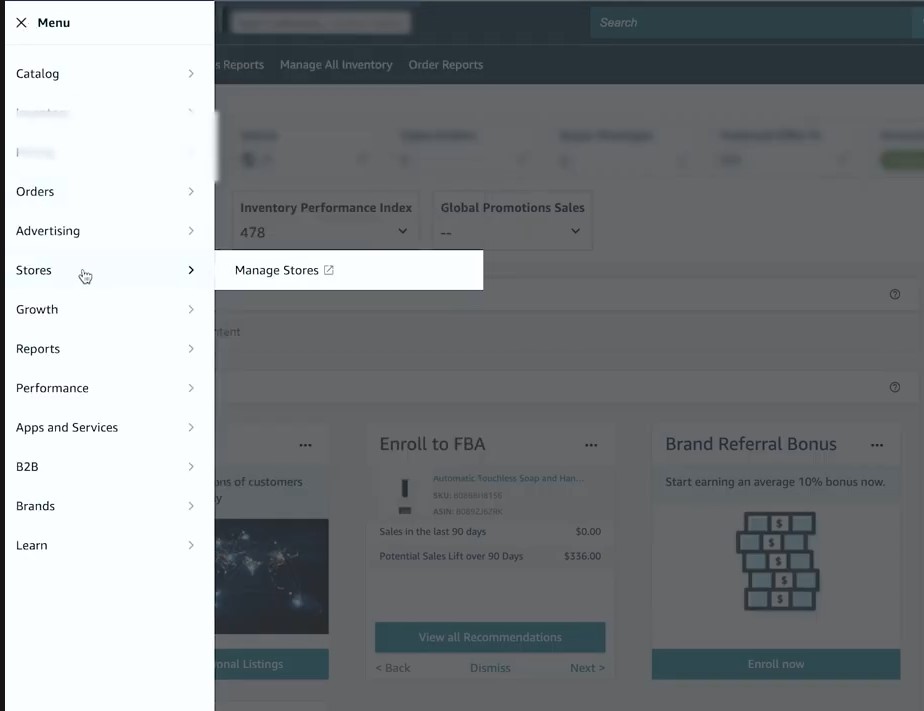
Create Your Store:
- You’ll find an option to create a new store in the Stores section.
- Click on the “Create Store” button.
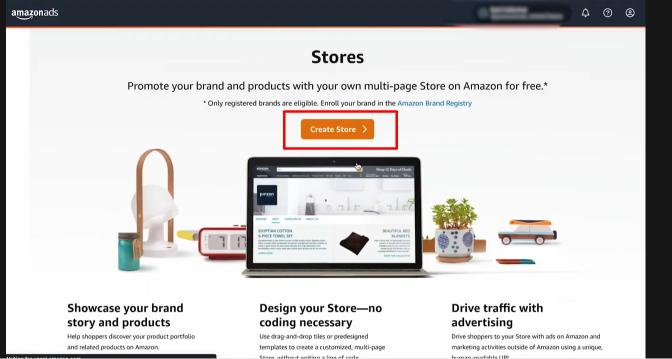
Choose a Store Name:
- Enter the name you want for your store.
- Ensure the name is relevant to your business and memorable for customers.
- Check the availability of the store name. Amazon will notify you if the name has already been taken.
Design Your Storefront:
- Customize the look and feel of your storefront.
- Select a layout that suits your brand and products.
- Add your logo, banners, and other branding elements to personalize your store.
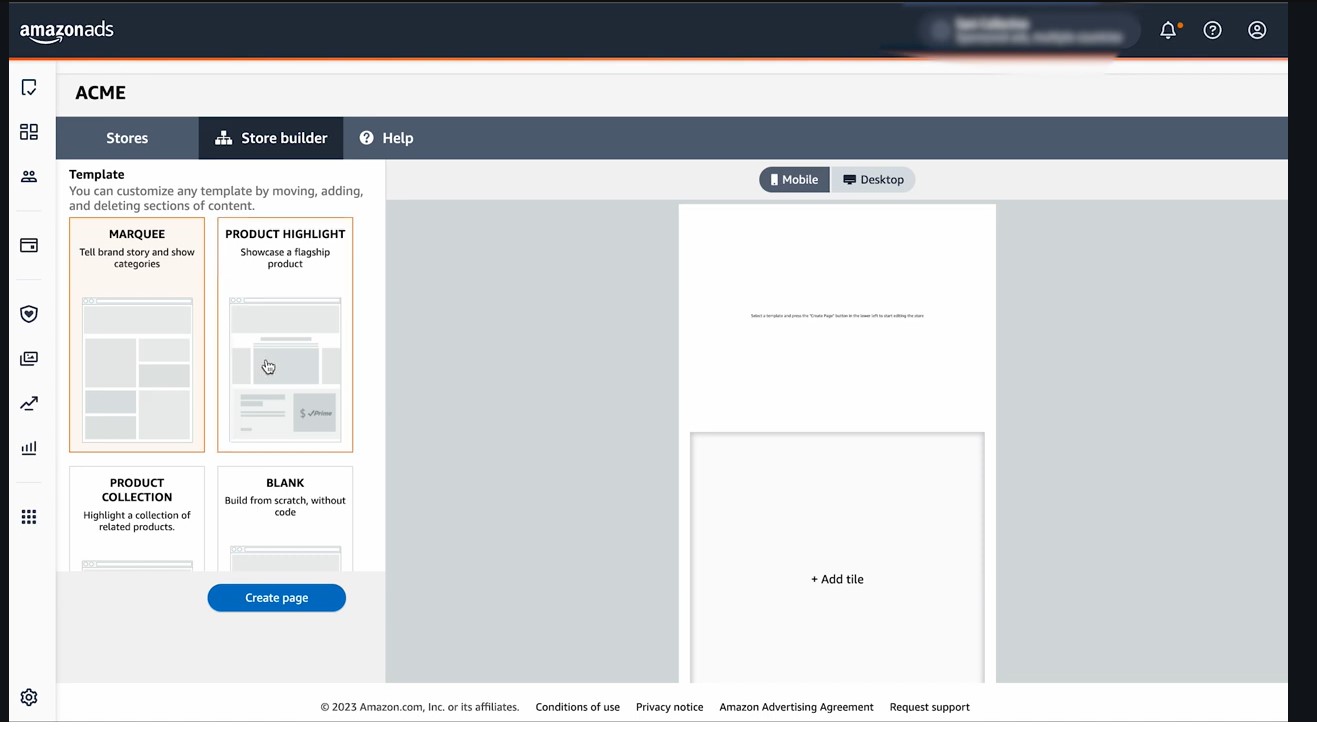
Add Pages and Sections:
- Create different sections/pages within your storefront to showcase your products.
- Examples of sections/pages include “Homepage,” “About Us,” “Contact Us,” and specific product categories.
Add Products to Your Store:
- Start adding your products to your storefront.
- Organize them into relevant categories and sections.
- Provide detailed product descriptions, high-quality images, and accurate pricing information.
Preview and Publish Your Store:
- Preview your storefront to ensure everything looks as you want it to.
- Make any necessary adjustments.
- Once satisfied, publish your store to make it live on Amazon.
Promote Your Store:
- Utilize Amazon’s advertising tools to promote your storefront and products.
- Consider running sponsored product ads or participating in Amazon’s Deals and Promotions.
Monitor Performance and Make Adjustments:
- Regularly check the performance of your storefront and products.
- Analyze metrics such as traffic, conversion rates, and sales.
- Make adjustments as needed to optimize your storefront for better performance.
Promoting your Amazon Store
You must actively promote your products and brand to drive traffic and sales on your Amazon storefront. Simply adding items to your store and hoping customers will find you isn’t effective. Use these promotional techniques to maximize your success:
Social media is key
Build an audience on platforms like Facebook, Instagram, and Pinterest by posting images of your products, sharing lifestyle photos, and engaging with your followers. Run giveaways and contests to increase shares and followers. Ensure you link to your Amazon store in social media profiles and posts.
Start an email list
Offer a freebie or discount in exchange for email signups on your website and social media. Send regular newsletters with product updates, promotions, and coupons to keep your subscribers engaged. Email marketing has one of the highest ROIs of any channel.
Run Amazon ad campaigns
Amazon Sponsored Products and Brands ads allow you to promote your listings and brand within Amazon search results. You only pay when someone clicks your ad. These ads are easy to boost visibility and sales, especially when starting.
Write a blog about your products and niche
A blog on your website allows you to establish your expertise, share tips and how-tos, profile customer stories, and more. Share your most recent posts across social media platforms and include them in your email newsletters for increased visibility and engagement. Your blog can also help with SEO by generating organic search traffic and backlinks to your Amazon store.
Look for cross-promotion opportunities
See if complementary brands or influencers in your niche would be interested in cross-promoting to each other’s audiences through giveaways, product bundles, or affiliate marketing. You can also explore business partnerships or wholesale opportunities with retailers to get your products in front of new customers.
With consistency and the right promotional mix, you’ll gain momentum and see your Amazon sales start to take off. But never stop improving and optimizing your marketing efforts—the key to unlocking your full potential.
Conclusion
Establishing an Amazon Storefront can be a highly effective strategy for expanding your online retail presence and reaching a wider audience. By following the comprehensive guide provided, you can confidently navigate the process and set up a successful storefront that resonates with customers. Remember to prioritize customer experience and optimize your listings for maximum visibility and conversion rates.
By committing to dedication, strategic planning, and continuous adjustments informed by performance data, your Amazon Storefront can evolve into a pivotal catalyst for business growth. Take the first step towards establishing your online retail empire today by incorporating the insights and tactics detailed in this guide.
The post Amazon Storefront: A Comprehensive Guide to Building Your Online Retail Presence appeared first on Amazon-ASIN Blogs - Latest from Amazon Sellers: News, Advice, and Effective Strategies.
]]>The post Amazon Influencer Program: How to Monetize Your Social Media Presence Effectively appeared first on Amazon-ASIN Blogs - Latest from Amazon Sellers: News, Advice, and Effective Strategies.
]]>As the influence of social media on consumer behavior persists, it’s crucial to recognize the significant impact of influencer marketing. With Amazon’s vast array of products and global customer base, joining its influencer program opens up a world of potential for content creators seeking to elevate their influence into tangible earnings. Whether you’re an established influencer or just starting on your journey to online stardom, understanding the ins and outs of this program will be crucial in leveraging your platform effectively and maximizing your earning potential. Join us as we uncover everything you need to know about navigating the Amazon Influencer Program landscape and turning your digital voice into a lucrative asset.
Quick Peek Into the article :
- What is the Amazon Influencer Program
- Benefits of being an Amazon Influencer
- Requirements and Eligibility for the Amazon Influencer Program
- Steps to Becoming an Amazon Influencer and Starting to Earn
- Navigating Your Amazon Influencer Account
- How to track and measure results as an Amazon Influencer
- Conclusion
What is the Amazon Influencer Program
The Amazon Influencer Program is a specialized initiative launched by Amazon to facilitate collaboration between content creators, social media influencers, and brands. It provides influencers with a platform to curate and showcase their favorite products from Amazon to their followers, earning commissions on qualifying purchases made through their unique affiliate links.
In contrast to the conventional Amazon Associates program, where website proprietors and bloggers can generate income by endorsing Amazon goods on their sites or blogs, the Amazon Influencer Program is geared towards individuals who have amassed substantial followings on social media channels like Instagram, YouTube, Twitter, and Facebook.
The Amazon Influencer Program aims to harness social media influencers’ influence and credibility to drive product discovery and sales on Amazon. By empowering influencers to create curated storefronts featuring their favorite products, Amazon provides brands with a direct channel to reach highly engaged audiences and tap into the power of influencer marketing.
The distinction between Amazon Associates and Amazon Influencers
While both the Amazon Associates and Amazon Influencer programs offer opportunities to earn commissions by promoting products from Amazon, there are key distinctions between the two:
Target Audience:
Amazon Associates primarily targets website owners, bloggers, and content creators who promote products through their websites or blogs. In contrast, the Amazon Influencer Program caters to social media influencers with a substantial following on platforms like Instagram, YouTube, and Twitter.
Promotional Channels:
Amazon Associates typically promote products through their websites, blogs, or other online platforms. In contrast, Amazon Influencers leverage their social media presence to recommend products to their followers through posts, videos, stories, and other content formats.
Content Curation:
While both programs allow participants to promote a variety of products available on Amazon, Amazon Influencers have the additional ability to curate personalized storefronts showcasing their favorite products, creating a more immersive and personalized shopping experience for their followers.
Key Features and Perks Offered by the Program
The Amazon Influencer Program offers several features and perks designed to incentivize influencers to participate and maximize their earnings potential:
- Custom Storefront: Influencers are provided with a unique storefront URL to curate and showcase their favorite products from Amazon, creating a personalized shopping destination for their followers.
- Earn Commissions: Influencers earn commissions on qualifying purchases their followers make through their affiliate links. Commission rates vary depending on the product category and sales volume.
- Insights and Analytics: Amazon provides influencers with access to detailed insights and analytics, allowing them to track their earnings, monitor performance metrics, and optimize their promotional strategies.
- Exclusive Promotional Opportunities: Top-performing influencers may receive exclusive promotional opportunities, such as sponsored campaigns, product giveaways, and brand partnerships, further enhancing their earning potential and visibility.
- Dedicated Support: Amazon offers dedicated support to influencers participating in the program, assisting with account management, technical issues, and promotional strategies.
Benefits of being an Amazon Influencer
Becoming an Amazon Influencer has many advantages, from access to diverse products to enhanced credibility within your niche. Let’s explore the key benefits in detail:
Access to a Wide Range of Products:
As an Amazon Influencer, you can access an extensive array of products spanning numerous categories, enabling you to create a customized storefront tailored to your passions, knowledge, and your audience’s preferences.
Monetization Opportunities through Affiliate Marketing:
An advantage of becoming an Amazon Influencer is the chance to capitalize on your influence via affiliate marketing. You can earn commissions on eligible sales by endorsing products to your audience and prompting them to buy using your special affiliate links. This arrangement offers influencers a means to generate passive income, enabling them to earn revenue while delivering valuable content to their followers.
Enhanced Credibility and Authority in Your Niche:
Being recognized as an Amazon Influencer lends credibility and authority to your brand within your niche. By consistently recommending high-quality products and providing valuable insights and recommendations, you establish yourself as a trusted source and thought leader in your field. This heightened credibility can increase your audience’s engagement, loyalty, and trust, strengthening your influence and impact.
Potential for Increased Visibility and Reach:
The Amazon Influencer Program allows influencers to expand their reach and visibility beyond their social media channels. Creating a curated storefront on Amazon and promoting it to your followers can attract new audiences who may not have discovered your content through other channels.
Exclusive Access to Amazon Resources and Tools:
Amazon offers a range of resources and tools exclusively for influencers participating in the program. This includes access to analytics and performance insights, which enable you to track the effectiveness of your promotional efforts and optimize your strategy for maximum impact.
Requirements and Eligibility for the Amazon Influencer Program
To join the Amazon Influencer Program and start monetizing your influence, there are specific criteria you need to meet. Let’s delve into the minimum requirements for eligibility, the application process, and common reasons for rejection:
Minimum Criteria for Eligibility:
- Social Media Following: You must have a substantial following on social media platforms, such as YouTube, Twitter, Instagram, or Facebook. While there’s no fixed number, Amazon typically looks for influencers with thousands of followers demonstrating engagement and influence within their niche.
- High-Quality Content: Your social media profiles should feature high-quality content that aligns with Amazon’s guidelines and policies. This includes original and authentic content that resonates with your audience and adheres to community standards.
- Relevance to Amazon’s Audience: Your content should be relevant to Amazon’s audience and product offerings. This means focusing on topics and categories compatible with the products available on Amazon’s marketplace.
Application Process and Approval Timeline:
- Create an Amazon Influencer Account: Visit the Amazon Influencer Program website and sign up for an account. You must provide information about your social media profiles, audience demographics, and content niche.
- Review and Approval: After you’ve submitted your application, the Amazon team will evaluate it to assess if you fulfill the eligibility requirements. The approval process usually spans several business days, though the duration may fluctuate based on the influx of applications received.
- Notification of Approval: If your application is approved, you’ll receive an email notification from Amazon with instructions on how to get started. This will include access to your influencer dashboard to create your storefront and promote products.
Common Reasons for Rejection and How to Overcome Them:
- Insufficient Following: Your application may be rejected if your social media following doesn’t meet Amazon’s minimum requirements. To overcome this, focus on growing your following organically by creating engaging content, collaborating with other influencers, and leveraging social media best practices.
- Low-Quality Content: If your content doesn’t meet Amazon’s standards for quality and relevance, your application may be declined. Ensure your content is original, authentic, and aligned with Amazon’s guidelines. Avoid using misleading or spammy tactics that could harm your reputation.
- Irrelevant Niche: If your content niche is incompatible with Amazon’s audience or product offerings, your application may not be approved. Consider refining your content strategy to focus on topics and categories more closely aligned with Amazon’s marketplace and target audience.
Steps to Becoming an Amazon Influencer and Starting to Earn
Becoming an Amazon Influencer and leveraging your social media presence to earn commissions requires a strategic approach and careful navigation through the application process. Here’s a step-by-step guide to help you get started:
1: Research and Identify Your Niche
- Before diving into the Amazon Influencer Program, take the time to research and identify your niche.
- Consider your interests, expertise, and audience preferences to determine the type of content you want to create and the products you want to promote.
- Select a specialized area that resonates with your interests and can attract a committed audience.
2: Build and Grow Your Social Media Presence
Direct your attention towards establishing a robust presence on selected social media platforms like Instagram, YouTube, or Facebook. Craft engaging content that connects with your audience, highlighting your individuality and viewpoint. Foster regular interaction with your followers by promptly addressing comments and messages nurturing a sense of community around your content. Maintain a steady stream of top-notch content and employ effective social media strategies to cultivate natural growth in your following over time.
Integrating pre recorded live stream into your social media strategy offers a unique way to connect with your audience. By scheduling and streaming video content as if it’s live, you can engage viewers on platforms like YouTube, Facebook, Instagram, and more without the pressure of real-time broadcasting. This approach allows you to craft and polish your content, ensuring it aligns with your brand’s voice and message. Additionally, the interactive elements available, such as polls and Q&A sessions, can foster a sense of community, making your followers feel more connected to your content. This method blends seamlessly with your strategy to maintain a robust social media presence, complementing your efforts to produce top-quality content and interact regularly with your audience.
3: Apply for the Amazon Influencer Program
- Visit the Amazon Influencer Program homepage and click “Get started” to begin the application process.
- If you don’t already have an Amazon account, you must create one by providing your name, email, password, address, and other relevant details.
- Once you’ve created your Amazon account, you’ll need to fill out additional information for the influencer program, including details about your most prominent social media account, profile picture, bio, and address for report delivery.
- Choose the social media platform with the largest following and link your account to Amazon or provide the required information, such as follower count and handle, depending on the platform.
- Create your storefront by adding a name, tagline, profile picture, and header image. Focus on promoting products you have used or are still using to enhance authenticity.
- Complete the account information and save your settings before logging in to the Amazon influencer account.
4: Follow the Amazon Influencer Program on Instagram
- Once you’ve completed the application process, follow the Amazon Influencer Program on Instagram with the account you used to register for the program.
- Your application will not be approved until you follow the program on Instagram, so ensure you complete this step promptly.
5: Start Promoting Products and Earning Commissions
- With your storefront set up and your application submitted, you can start promoting products to your audience and earning commissions on qualifying purchases made through your affiliate links.
- Focus on creating engaging content highlighting the benefits of your recommended products and resonating with your audience.
- Monitor your storefront performance and track your earnings through the Amazon Associates dashboard.
- Continuously refine your promotional strategies based on performance data and feedback from your audience to maximize your earning potential as an Amazon Influencer.
Navigating Your Amazon Influencer Account
Once approved as an Amazon Influencer, navigating your account effectively is crucial for maximizing your earning potential and engaging with your audience. Here’s an overview of the dashboard and its key features, along with tips for managing storefronts, tracking earnings, and interacting with your audience:
Overview of the Dashboard and Its Features:
The Amazon Influencer dashboard is your central hub for managing your account, tracking performance metrics, and accessing promotional tools.
Key features of the dashboard include:
- Overview: Provides a snapshot of your earnings, clicks, conversions, and other performance metrics.
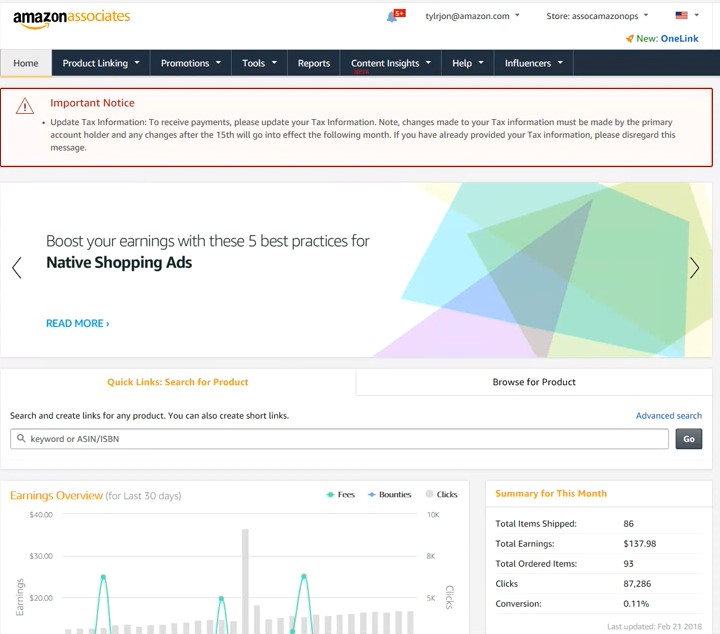
- Storefront: Allows you to create and customize your storefront to showcase your favorite products to your audience.
- Reports: Provides detailed insights into your earnings, including commission rates, referral sources, and conversion data.
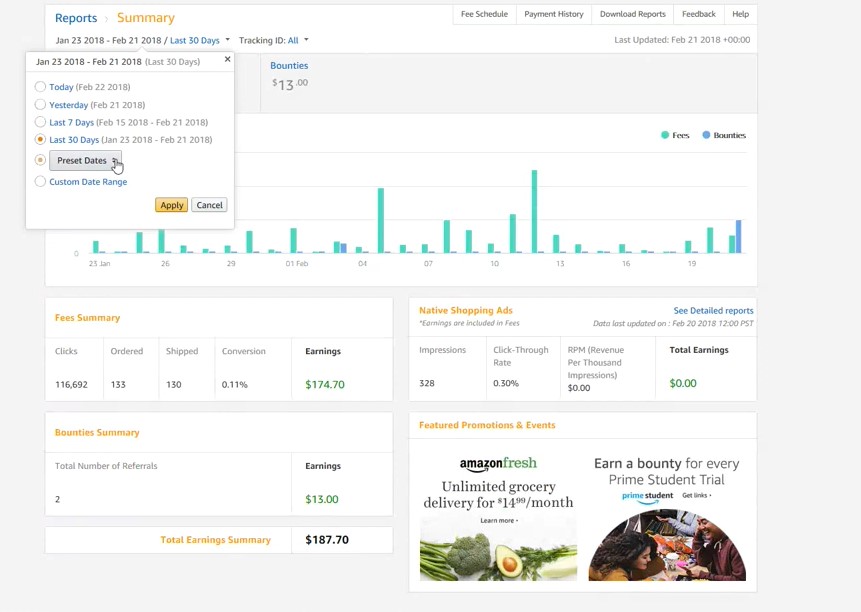
- Promotions: Offers access to promotional tools and resources, such as banners, widgets, and special offers, to help boost your earnings.
- Settings: Allows you to manage your account settings, payment information, and communication preferences.
Managing Storefronts and Product Recommendations:
Your storefront is a curated collection of products you recommend to your audience. Here are some tips for managing your storefront effectively:
- Regularly update your storefront with new products and recommendations to keep it fresh and engaging.
- Organize products into categories or collections to make navigating easier for your audience.
- Highlight featured products or promotions to draw attention to specific items.
- Use compelling imagery and descriptive captions to showcase the benefits of each product and encourage conversions.
- When choosing suggested products, prioritize those that fit your niche and connect with your audience. Incorporate personal experiences and insights to lend authenticity and credibility to your recommendations.
Tracking Earnings and Performance Metrics:
- The Reports section of your dashboard provides valuable insights into your earnings and performance metrics. Here’s how to track your earnings effectively:
- Monitor your earnings and commission rates regularly to assess the effectiveness of your promotional efforts.
- Analyze referral sources and conversion data to identify trends and opportunities for optimization.
- Experiment with different promotional strategies and track their impact on your earnings and conversion rates.
- Set performance goals and benchmarks to measure your progress over time and identify areas for improvement.
Interacting with Your Audience and Responding to Inquiries:
- Interacting with your audience is essential for creating trust, fostering loyalty, and driving conversions. Here are some tips for interacting with your audience effectively:
- Respond promptly to your followers’ comments, messages, and inquiries to demonstrate your accessibility and attentiveness.
- Encourage feedback and dialogue by asking questions, soliciting opinions, and inviting discussion on your posts.
- Be authentic, genuine, and transparent in your interactions with your audience to build rapport and credibility.
- Monitor social media platforms and other channels regularly to stay connected with your audience and promptly address any concerns or questions.
How to track and measure results as an Amazon Influencer
Tracking and measuring results as an Amazon Influencer is essential for evaluating the effectiveness of your promotional efforts, optimizing your strategies, and maximizing your earning potential. Here’s how you can track and measure your results effectively:
Utilize Amazon’s Reporting Tools:
Amazon offers a range of detailed reporting features accessible through your influencer dashboard. These resources provide valuable data on essential performance indicators such as clicks, conversions, earnings, and the origins of referrals. By consistently tracking your earnings and commission rates, you can evaluate the effectiveness of your promotional efforts and pinpoint any emerging trends or recurring patterns.
Track Click-Through Rates (CTR):
CTR, or Click-Through Rate, is a metric that indicates the proportion of individuals who click on your affiliate links subsequent to engaging with your content. Monitoring CTR enables you to assess the efficacy of your call-to-action (CTA) and the suitability of your product suggestions. Analyze CTR across various channels, content types, and marketing approaches to pinpoint the most resonant elements with your audience.
Analyze Conversion Rates:
Conversion rate measures the percentage of clicks that result in a completed purchase. It indicates how successful your recommendations are at driving actual sales. Monitor conversion rates for individual products, categories, and campaigns to identify top-performing items and optimize your promotional efforts accordingly.
Monitor Traffic Sources:
Amazon’s reporting tools allow you to track traffic sources to your storefront and affiliate links. This includes organic search, social media, email marketing, and other referral sources. Analyze the performance of each traffic source to determine where your audience is coming from and which channels are driving the most conversions.
Track Product Performance:
Keep an eye on the performance of individual products promoted on your storefront. Monitor metrics such as views, clicks, conversions, and revenue generated for each product. Identify top-selling products, trending items, and seasonal trends to optimize your product recommendations and capitalize on popular trends.
Set Goals and Benchmarks:
Establish specific, measurable goals for your influencer marketing efforts, such as monthly revenue targets, CTR benchmarks, or conversion rate goals. Regularly measure your progress against these goals and adjust your strategies to stay on track and achieve your objectives.
Experiment and Iterate:
Experiment with different promotional tactics, content formats, and product categories to identify what resonates best with your audience. Test variables such as messaging, imagery, timing, and frequency to optimize your campaigns for maximum effectiveness. Continuously iterate on your strategies based on performance data and feedback from your audience to refine your approach and drive better results over time.
Tips and Best Practices for Maximizing Your Success as an Amazon Influencer
As an Amazon Influencer, your success relies on your ability to engage your audience authentically and drive conversions effectively. Here are some tips and best practices to help you achieve your goals:
Create High-Quality Content that Resonates with Your Audience:
Focus on producing informative, entertaining, and valuable content for your audience. Utilize high-quality visuals, compelling storytelling, and engaging narratives to capture your audience’s attention and keep them returning for more.
Be Authentic and Transparent in Your Recommendations:
Establish credibility with your audience through transparent and impartial recommendations. It’s essential to openly disclose any sponsored content or affiliate ties to maintain trust and integrity as an influencer.
Engage with Your Followers and Foster a Sense of Community:
Cultivate a strong sense of community by actively engaging with your audience through comments, messages, and live sessions. Encourage conversation, feedback, and collaboration to create a supportive and inclusive community around your content.
Stay Updated on Industry Trends and Product Launches:
Stay informed about your niche’s latest industry trends, product launches, and consumer preferences. Regularly research and explore new products to keep your recommendations fresh and relevant to your audience’s interests.
Experiment with Different Promotional Tactics and Strategies:
Explore a variety of promotional tactics and strategies, including product reviews, tutorials, hauls, comparisons, and sponsored content. Test different content formats, platforms, and messaging to identify what resonates best with your audience and drives the most engagement and conversions.
Continuously Refine Your Approach Based on Feedback and Performance Metrics:
Track your performance indicators, such as click-through rates, conversion rates, and earnings, to evaluate the success of your promotional campaigns. Evaluate audience feedback and adapt your content and tactics to align better with their preferences and requirements.
Conclusion
Achieving success as an Amazon Influencer demands unwavering commitment, inventive thinking, and an authentic zeal for interacting with your audience while endorsing products that resonate with you. Embracing these strategies and adopting effective methods can amplify your influence, cultivate a devoted community, and forge genuine relationships with your followers, all while leveraging the benefits of the Amazon Influencer Program to earn commissions. It’s crucial to maintain your authenticity, remain true to your values, and consistently prioritize the preferences and concerns of your audience in every endeavor. This approach fosters trust and ensures sustainable growth and long-term success in influencer marketing.
The post Amazon Influencer Program: How to Monetize Your Social Media Presence Effectively appeared first on Amazon-ASIN Blogs - Latest from Amazon Sellers: News, Advice, and Effective Strategies.
]]>The post Unveiling the Importance of Invoices Generator in Your Amazon Business: A Comprehensive Guide appeared first on Amazon-ASIN Blogs - Latest from Amazon Sellers: News, Advice, and Effective Strategies.
]]>Imagine a scenario where every sale you make on Amazon is seamlessly accompanied by a professional invoice that not only satisfies customer expectations but also safeguards your business from potential disputes or claims. With the right approach to invoicing, you can elevate your brand’s credibility while enhancing operational efficiency.
Quick Guide:
- Why is an Invoice Important for Your Amazon Business?
- Where to Find an Invoice on Amazon
- How to Create an Invoice on Amazon
- Can You Fake an Amazon Invoice?
- How to Use an Online Amazon Invoice Generator
- Top Invoice Generator Tools for Amazon Sellers
- Fake Amazon Invoice Generators – The Risks and Consequences
- Conclusion
Why is an Invoice Important for Your Amazon Business?
In the intricate tapestry of an Amazon business, an invoice emerges as a critical element, serving diverse purposes that extend far beyond a mere record of transactions. Let’s delve into the specific reasons why an invoice holds immense importance for the flourishing of your e-commerce venture.
Legal Compliance and Regulatory Requirements
In the labyrinth of e-commerce regulations, adherence to legal requirements is not just advisable—it’s mandatory. Invoices are pivotal in ensuring your Amazon business complies with local and international laws. They provide a tangible record of every transaction, detailing the terms and conditions agreed upon by both parties. This not only safeguards your business from potential legal repercussions but also fosters an environment of transparency and accountability.
Building Trust with Customers and Business Partners
Trust is the cornerstone of any successful business, and in the digital realm of Amazon, where face-to-face interactions are absent, trust becomes even more paramount. An invoice is a formal acknowledgment of a completed transaction, offering your customers a tangible document reflecting professionalism and reliability. Furthermore, it establishes a sense of transparency, showcasing a commitment to clear communication and ethical business practices. For business partners, such as suppliers or distributors, providing accurate and detailed invoices is a testament to your commitment to fair and honest dealings.
Tracking Sales and Financial Transactions
In the dynamic landscape of e-commerce, where transactions occur rapidly, keeping a meticulous record of sales and financial transactions is crucial. An invoice is a comprehensive ledger, allowing you to track each sale precisely. This not only aids in monitoring revenue but also offers insightful data on customer preferences and product performance. The data derived from invoices empowers you to make informed decisions, optimize your product offerings, and develop pricing strategies for sustained business growth.
Facilitating Smooth Accounting Processes
Efficient accounting is the backbone of any well-run business. Invoices streamline the financial aspects of your Amazon venture by providing a structured and organized account of your transactions. This expedites the reconciliation process and minimizes the risk of errors and discrepancies. With accurate and readily available invoicing data, your accounting processes become more transparent, allowing smoother audits and financial assessments.
Where to Find an Invoice on Amazon
In the bustling ecosystem of Amazon Seller Central, finding an invoice is a straightforward yet crucial process. Navigating the platform seamlessly is essential for sellers to access and manage their transactional documentation. In this section, we will guide you through the steps to locate your invoices efficiently and gain a comprehensive understanding of the various types available.
Navigating the Amazon Seller Central Dashboard
- Log in to Seller Central: Begin by logging into your Amazon Seller Central account. This is your gateway to the tools and resources for managing your Amazon business.
- Go to “Orders”: Once logged in, locate the “Orders” tab on the main dashboard. This section is the central hub for managing all your orders and transactions.
- Access “Order Reports”: Within the “Orders” section, you’ll find an option for “Order Reports.” Click on this to access detailed reports that include invoicing information.
- Filter by Date Range or Order ID: To narrow your search, utilize the various available filters, such as date range or specific order ID. This ensures you retrieve the exact invoice you’re looking for.
Locating and Accessing Order Details
- Select a Specific Order: Within the “Order Reports,” choose the specific order for which you need an invoice. Clicking on the order will give you a detailed view of that transaction.
- Access Invoice Information: Look for an option or tab labeled “Invoice” or “Invoice Details.” You’ll find a transaction breakdown, including pricing, quantities, and shipping details.
- Download or Print: Amazon typically provides options to download or print the invoice directly from this section. Choose the appropriate action based on your record-keeping preferences.
Understanding the Various Types of Invoices Available
Commercial Invoice:
A commercial invoice may be required for customs clearance for international transactions. This document provides a detailed list of the products shipped, their value, and other relevant information.
Proforma Invoice:
This is a preliminary invoice issued before the actual shipment of goods. It outlines the transaction details and serves as a commitment to deliver the products.
Sales Invoice:
The standard invoice is issued upon the completion of a sale. It includes essential product descriptions, quantities, prices, and total amounts.
Understanding these different types of invoices allows you to choose the most relevant document for specific business needs or regulatory requirements.
How to Create an Invoice on Amazon
The ability to generate invoices seamlessly is a valuable skill in Amazon’s business operations. Creating an invoice within Amazon Seller Central streamlines your financial processes and ensures compliance and transparency in your transactions. In this section, we’ll provide you with a step-by-step guide on generating an invoice, insights on customization, and essential information.
Step-by-Step Guide to Generating an Invoice within Amazon Seller Central
- Log in to Seller Central: Access your Amazon Seller Central account using your credentials.
- Navigate to Orders: Locate and click on the “Orders” tab on the main dashboard. This will lead you to the central hub for managing your transactions.
- Select “Manage Orders.”: In the “Orders” section, click “Manage Orders.” This will display a list of your recent orders.
- Choose an Order: From the list of orders, select the specific order for which you want to create an invoice. Click on the order to access its details.
- Click on “Invoice”: Look for an option labeled “Invoice” or “Create Invoice.” Clicking on this option initiates generating an invoice for the selected order.
- Review and Confirm Details: Verify that all details in the pre-populated invoice form are accurate. This includes product descriptions, quantities, prices, and shipping information.
- Submit the Invoice: Once you’ve reviewed the details, submit the invoice. Amazon will then generate the document, and you will typically have the option to download or print the invoice for your records.
Customizing Invoices to Meet Specific Business Needs
- Access Invoice Customization Settings: Navigate to the “Settings” or “Account Settings” section within Seller Central. Look for options related to invoicing or documents.
- Explore Customization Features: Amazon often allows sellers to customize certain elements of their invoices. This may include adding a business logo, customizing formatting, or including specific messaging.
- Adjust Invoice Fields: Depending on your business needs, you may be able to adjust which fields are displayed on the invoice. This allows you to tailor the document to include the most relevant information to your customers or for your record-keeping.
Adding Essential Information for Compliance and Transparency
- Include Seller Information: Ensure that your seller information, including your business name, address, and contact details, is prominently featured on the invoice.
- Itemize Products and Services: Provide a detailed breakdown of each product or service included in the transaction. This should include product descriptions, quantities, unit prices, and applicable taxes or fees.
- Specify Payment Terms: Clearly outline the payment terms, including the due date and any relevant late fees or discounts for early payment.
- Include Legal Information: Depending on your jurisdiction and the nature of your products, including any legally required information such as tax identification numbers or regulatory compliance details.
Can You Fake an Amazon Invoice?
In the world of e-commerce, where trust and transparency are paramount, the question of producing fake invoices raises serious ethical and legal concerns. In this section, we’ll explore the risks and consequences of generating counterfeit Amazon invoices, emphasizing the importance of integrity in e-commerce and shed light on the potential legal implications and penalties for fraudulent activities.
Risks and Consequences of Producing Fake Invoices
- Loss of Trust: Counterfeit invoices erode the foundation of trust between buyers and sellers. Customers and business partners rely on the authenticity of transactional documents, and any breach of this trust can lead to severe repercussions.
- Account Suspension: Amazon takes a firm stance against fraudulent activities, and producing fake invoices directly violates their policies. Sellers caught engaging in such practices risk suspending their accounts or being permanently banned from the platform.
- Legal Ramifications: Beyond the platform-specific consequences, generating fake invoices constitutes fraud, a criminal offense with potential legal consequences. This may involve legal action from both Amazon and affected parties, leading to financial penalties or even imprisonment.
The Importance of Maintaining Integrity in E-commerce
- Preserving Reputation: Integrity forms the cornerstone of a successful e-commerce business. Maintaining honesty and transparency in all dealings, including invoicing, contributes to a positive reputation, fostering customer loyalty and attracting business partners.
- Building Customer Confidence: Genuine and transparent transactions build confidence among customers. When they perceive that a seller operates with integrity, they are likelier to make repeat purchases and recommend the business to others.
- Long-Term Success: E-commerce businesses thrive on repeat business and positive word-of-mouth. By upholding ethical standards, sellers lay the groundwork for sustainable success, free from the pitfalls associated with deceptive practices.
Legal Implications and Potential Penalties for Fraudulent Activities
- Civil Lawsuits: Sellers engaging in fraudulent invoicing may face civil lawsuits from affected parties, including customers, business partners, or competitors. Legal actions can result in significant financial damages and tarnish the business’s reputation.
- Criminal Charges: Fraudulent activities, including creating fake invoices, can lead to criminal charges. Legal authorities may pursue charges such as wire fraud, mail fraud, or forgery, carrying severe penalties, including fines and imprisonment.
- Regulatory Compliance Issues: Violating e-commerce regulations and laws can attract the attention of regulatory bodies. Sellers may face penalties for non-compliance, further damaging their business prospects.
How to Use an Online Amazon Invoice Generator
As Amazon sellers strive for efficiency and accuracy in their business operations, using online invoice generators becomes a valuable asset. In this section, we’ll explore the available tools, provide a step-by-step guide on using a third-party invoice generator, and emphasize the importance of ensuring accuracy and compliance with the generated invoices.
Exploring Available Online Tools
- Research and Selection: Begin by researching reputable online Amazon invoice generators. Consider factors such as user features, reviews, and pricing. Select a tool that aligns with your business needs.
- Trial Periods: Many invoice generator tools offer trial periods. Take advantage of these trials to explore the functionality and suitability of the tool for your Amazon business.
- Consider Integration: Some tools integrate seamlessly with Amazon Seller Central, streamlining invoicing. Evaluate whether the chosen tool offers such integrations to enhance workflow efficiency.
Step-by-Step Guide to Using a Third-Party Invoice Generator
- Create an Account: Sign up for an account on the chosen invoice generator platform.
- Input Business Information: Provide essential business details such as your name, address, and contact information. This ensures that the generated invoices reflect accurate seller information.
- Customize Invoice Template: Tailor the invoice template to match your brand identity. Many invoice generators allow colors, logos, and additional branding elements to be customized.
- Add Product/Service Details: Input product or service descriptions, quantities, prices, and applicable taxes or fees. Ensure accuracy to avoid discrepancies in your financial records.
- Include Customer Information: Input customer details, including their name, address, and contact information. This is crucial for creating a comprehensive and professional invoice.
- Choose Payment Terms: Specify the payment terms, including the due date and any relevant terms and conditions. Communicate expectations to avoid misunderstandings.
- Generate and Download: Once all necessary information is entered, generate the invoice. Most platforms allow you to download the invoice in various formats, such as PDF or Excel, making it easy to share or print.
Ensuring Accuracy and Compliance with Generated Invoices
- Review Thoroughly: Before sending or using the generated invoice, review it thoroughly. Check for any errors, omissions, or inconsistencies.
- Legal Compliance: Ensure the generated invoice complies with legal requirements, including tax regulations and other applicable laws in your jurisdiction.
- Store for Record Keeping: Keep a digital and organized record of all generated invoices for future reference, audits, or compliance checks.
Top Invoice Generator Tools for Amazon Sellers
As the e-commerce landscape evolves, so do the tools designed to streamline business operations. Here, we’ll review three popular and reliable invoice generator tools – Zoho Invoice, FreshBooks, and Invoicely – exploring their features and functionalities.
Features:
- User-friendly interface with customizable templates.
- Time tracking and project management capabilities.
- Automatic invoice reminders and recurring invoices.
- Integration with various payment gateways.
Functionality:
- Zoho Invoice simplifies the invoicing process with intuitive features, making it suitable for businesses of all sizes.
- Its time-tracking and project management tools provide comprehensive solutions for service-based businesses.
FreshBooks
Features:
- Cloud-based platform with mobile accessibility.
- Automated expense tracking and receipt management.
- Advanced reporting and analytics.
- Multi-currency invoicing for international transactions.
Functionality:
- FreshBooks is known for its user-friendly interface and comprehensive features, making it an ideal choice for freelancers and small to medium-sized businesses.
- The expense tracking and reporting features contribute to overall financial management.
Invoicely
Features:
- Customizable invoice templates with multi-language support.
- Expense tracking and time management features.
- Integration with popular payment gateways.
- Client portal for easy communication.
Functionality:
- Invoicely caters to freelancers and small businesses, offering a range of features for efficient invoicing and client management.
- The client portal enhances communication and collaboration between sellers and their clients.
Fake Amazon Invoice Generators – The Risks and Consequences
Some sellers may be tempted to explore shortcuts in the quest for streamlined business processes, including fraudulent invoice generators. However, the risks and consequences associated with such deceptive practices are substantial. This section delves into the dangers of using fake Amazon invoice generators, the legal ramifications for sellers, and the profound impact on reputation and customer trust.
Recognizing the Dangers of Using Fraudulent Invoice Generators
- Inaccuracy and Unreliability: Fake invoice generators often lack the precision and accuracy necessary for legitimate transactions. Inaccurate invoicing can lead to financial discrepancies, customer disputes, and potential legal issues.
- Violation of Platform Policies: Major e-commerce platforms, including Amazon, have strict policies against fraudulent activities. Utilizing fake invoice generators violates these policies and can result in severe penalties, including account suspension or termination.
- Compromised Customer Relationships: Deceptive practices erode the trust established with customers. When customers discover transaction inconsistencies, it can lead to dissatisfaction, loss of confidence, and negative reviews.
Legal Consequences for Sellers Engaging in Deceptive Practices
- Fraud Charges: Creating fake invoices is considered a form of fraud. Sellers engaging in such practices may face legal consequences, including wire fraud, mail fraud, or forgery charges.
- Civil Lawsuits: Sellers may be subjected to civil lawsuits from affected parties, such as customers or business partners, seeking compensation for financial losses or damages incurred due to fraudulent invoicing.
- Criminal Penalties: Beyond civil lawsuits, sellers involved in fraudulent activities may face criminal penalties, including fines and imprisonment, as authorities take a strong stance against deceptive practices.
Impact on Reputation and Customer Trust
- Negative Reviews and Publicity: News of fraudulent activities can spread quickly, leading to negative reviews and public backlash. Such negative publicity can severely damage the reputation of the business.
- Loss of Customer Trust: Trust is hard-earned and easily lost. Sellers found that using fake invoice generators risks losing the trust of their customer base, impacting customer loyalty and future business opportunities.
- Diminished Brand Value: A tarnished reputation extends beyond immediate consequences. The long-term impact can result in diminished brand value, making it challenging for the business to recover and regain consumer confidence.
Conclusion
In the fast-evolving e-commerce landscape, honesty, and integrity are pillars for sustainable success. The risks associated with using fake Amazon invoice generators are not worth the temporary convenience they might offer. Sellers are urged to prioritize transparency, legal compliance, and ethical practices to build a resilient and trustworthy Amazon business.
As this comprehensive guide comes to a close, Amazon sellers are encouraged to leverage legitimate tools and processes, such as online invoice generators, to enhance efficiency while maintaining the highest standards of integrity. By doing so, sellers can confidently navigate the complexities of e-commerce, ensuring their Amazon businesses’ longevity and success.
The post Unveiling the Importance of Invoices Generator in Your Amazon Business: A Comprehensive Guide appeared first on Amazon-ASIN Blogs - Latest from Amazon Sellers: News, Advice, and Effective Strategies.
]]>The post Amazon Counterfeit Products: The Silent Threat to Your Seller Business appeared first on Amazon-ASIN Blogs - Latest from Amazon Sellers: News, Advice, and Effective Strategies.
]]>With the convenience of e-commerce comes the pervasive issue of fraudulent listings that plague Amazon’s marketplace. This article is not just another generic overview; it’s a strategic roadmap for sellers seeking to outmanoeuvre unscrupulous counterfeiters. We’ll peel back the layers of deception encompassing fake products on Amazon, offering actionable insights tailored specifically for sellers looking to defend their turf in this cutthroat digital arena. So buckle up as we embark on a journey through the murky world of Amazon counterfeit combat because protecting your business is not just an option; it’s imperative for survival in today’s online marketplace landscape.
Quick Guide:
- What are Amazon’s Counterfeit Products?
- What Happens if You Sell a Counterfeit Product on Amazon?
- Steps to Remove Counterfeit Listings on Amazon
- Strategies to Prevent Counterfeit Product Infiltration on Amazon
- Partnering with Authorized Distributors and Manufacturers
- The Role of Amazon’s Brand Registry in Combating Counterfeit Products
- Conclusion
What are Amazon’s Counterfeit Products?
Counterfeit products refer to unauthorized replicas of genuine items, often designed to deceive consumers by imitating the original’s appearance, packaging, or branding. These illicit replicas can span various categories, from electronics and fashion to everyday consumables.
In the intricate web of Amazon’s vast marketplace, counterfeit products have emerged as a persistent challenge. Understanding the landscape of counterfeit items is crucial for sellers seeking to maintain integrity within this expansive ecosystem.
Common Types of Counterfeit Items Found on Amazon
- Electronics and Gadgets:
- Fake smartphones, chargers, and accessories
- Counterfeit electronic gadgets with misleading specifications
- Apparel and Accessories:
- Imitation designer clothing and accessories
- Knock-off sportswear and footwear
- Health and Beauty Products:
- Counterfeit cosmetics and skincare items
- Unauthentic dietary supplements and wellness products
- Home and Kitchen Goods:
- Imitation kitchen appliances and utensils
- Replicas of home décor items and furnishings
- Media and Entertainment:
- Pirated DVDs and unauthorized streaming devices
- Fraudulent video game copies
Impact of Amazon Counterfeit Products on Consumers, Sellers, and Amazon’s Reputation
The widespread proliferation of counterfeit goods has extensive repercussions that impact various stakeholders. The accidental purchase of fake products may expose consumers to health hazards, substandard quality, or the deception of paying premium prices for inferior merchandise, undermining trust in the broader online shopping experience. Legitimate sellers are confronted with heightened competition from unscrupulous counterparts peddling counterfeit items at reduced prices, resulting in potential sales losses and reputational harm. Amazon, as a trusted marketplace, suffers damage to its reputation due to the presence of counterfeit products, compromising its commitment to customer satisfaction and authentic products and eroding the trust of both buyers and sellers in the platform.
What Happens if You Sell a Counterfeit Product on Amazon?
Selling counterfeit items on Amazon seriously violates the platform’s policies, and Amazon has implemented stringent measures to combat this issue. Let’s delve into what happens if a seller is found to be engaging in the sale of counterfeit products.
Amazon’s Policies on Counterfeit Product Sellers
Amazon has clear and robust policies in place to prevent the sale of counterfeit items. The key aspects of Amazon’s policies include:
- Prohibited Activity: Sellers are prohibited from listing, selling, or promoting counterfeit goods on Amazon.
- Intellectual Property Rights: Sellers must respect intellectual property rights, including trademarks, copyrights, and patents. Unauthorized use of brand names, logos, or product designs is strictly prohibited.
- Authenticity Guarantee: Amazon emphasizes the importance of providing accurate and truthful information about the authenticity of products. Sellers are required to source products through authorized channels.
Consequences for Sellers Caught Selling Counterfeit Items
The consequences can be severe if a seller is identified as selling counterfeit products on Amazon. Amazon employs a multifaceted approach to deal with such violations:
- Account Suspension: Amazon may suspend the seller’s account immediately upon discovering the sale of counterfeit items. This suspension is often temporary, pending a thorough investigation.
- Listing Removal: The specific listings for the counterfeit products are removed from the platform to prevent further sales.
- Investigation: Amazon investigates the alleged infringement, assessing the evidence provided by the rights owner or affected parties.
- Appeal Process: Sellers can appeal the suspension by demonstrating a commitment to rectifying the issue and ensuring future compliance with Amazon’s policies.
Spotting and Identifying Fake Counterfeit Products on Amazon
The prevalence of counterfeit products on Amazon necessitates a vigilant approach from buyers and sellers. Understanding the characteristics of counterfeit items and adopting effective strategies to distinguish them from genuine products is crucial for maintaining the integrity of the marketplace.
Characteristics of Counterfeit Products
Products of substandard quality are frequently associated with counterfeit goods, as they commonly utilize materials inferior to those found in authentic items. This often results in a discernible disparity in overall quality. Additionally, discrepancies in branding elements, such as logos, fonts, or colour schemes, may serve as red flags for counterfeit products, as replicating these details accurately can be challenging for counterfeiters. Packaging inconsistencies, such as printing, labelling, or design errors, are also indicative of counterfeit items, as genuine products typically adhere to consistent packaging standards. Authenticity features, such as holographic labels, QR codes, or unique identifiers, are commonly present in genuine products but may be missing or poorly replicated in counterfeit versions. Furthermore, unusually low prices for popular or high-end products should raise suspicion, as they can indicate counterfeit items. A deal that appears too good to be true may be just that.
How to Differentiate Authentic and Counterfeit Products
When making a purchase, verifying the seller’s credibility is crucial. This involves examining the seller’s reputation, ratings, and past transactions, with a preference for well-established and reputable sellers more likely to offer authentic products. Additionally, carefully scrutinize product descriptions for accuracy and clarity, as legitimate sellers provide comprehensive and precise information about their offerings. To further ensure authenticity, compare product images with those available on the official brand website or authorized retailers, as discrepancies may signal the presence of counterfeit goods. Another important step is to inspect the packaging for quality, checking for spelling errors and authenticity features, as genuine products maintain a consistent and high-quality appearance. For certain items, especially electronics, verifying unique serial numbers with the manufacturer is advisable to confirm the product’s authenticity. These preventive measures contribute to a secure and informed shopping experience.
Reporting Counterfeit Products to Amazon
In the ongoing battle against counterfeit products on Amazon, reporting mechanisms play a pivotal role in maintaining the integrity of the marketplace. Amazon has established robust systems to facilitate counterfeit items reporting, empowering sellers and customers to contribute to a safer and more authentic shopping environment.
Amazon’s Reporting Mechanisms for Counterfeit Items
- Report a Violation Tool: Amazon provides a “Report a Violation” tool that allows users to flag potential infringements. This tool can be accessed through the product listing or the seller’s storefront.
- Intellectual Property Complaints: Rights owners can submit complaints through Amazon’s Brand Registry or the Amazon Intellectual Property Program. This includes reporting trademark and copyright infringements.
- Contact Customer Support: Sellers and customers can contact Amazon’s customer support to report counterfeit items. Amazon takes these reports seriously and investigates each case thoroughly.
Steps to Remove Counterfeit Listings on Amazon
When you identify counterfeit listings on Amazon, taking swift action is essential to protect your intellectual property and maintain the integrity of the marketplace. Here’s a step-by-step guide to removing counterfeit listings:
Recognize the Infringed Intellectual Property (IP)
Trademark Violation:
- Verify that a registered trademark protects the product or brand in question.
- Gather relevant trademark information, including registration numbers and details.
Copyright Infringement:
- If applicable, ensure that the product design, images, or content are protected by copyright.
- Collect copyright registration information, if available.
Patent Breach:
- For patented products, confirm that the patent is valid and covers the specific product in question.
- Collect relevant patent information.
Access Amazon’s IP Infringement Report Page
Go to Amazon’s IP Infringement Report Page:
- Visit Amazon’s Report Infringement page or use the Report a Violation tool on product listings.
Indicate whether you are the IP owner or an authorized agent:
- Specify whether you are the intellectual property owner or an authorized representative. Provide your details for verification.
Choose the Specific Type of IP Infringement:
- Select the appropriate category for infringement, such as Trademark, Copyright, or Patent.
Provide Additional Details about Your Product:
- Fill out the required fields, providing specific details about your product and the nature of the infringement. Include links to the counterfeit listings.
Share Your Contact Information:

- Provide accurate and up-to-date contact information so Amazon can contact you regarding the complaint.
Await Amazon’s Response:
- Submit the report and await Amazon’s response. Amazon typically investigates reports promptly and takes necessary actions, such as removing counterfeit listings or suspending violating sellers.
Dealing with Customer Returns of Fake Products on Amazon
Encountering customer returns related to counterfeit items can be challenging for sellers on Amazon. Effectively managing these situations is crucial not only for customer satisfaction but also for maintaining the trust and reputation of your business. Here’s a guide on handling customer complaints returns, and implementing effective communication strategies:
Handling Customer Complaints and Returns Related to Counterfeit Items:
Promptly Respond to Customer Inquiries:
- Acknowledge customer complaints promptly and express your commitment to resolving the issue.
- Provide clear and concise guidance on how customers can initiate a return or report the problem.
Investigate the Issue Thoroughly:
- Conduct a thorough investigation into the customer’s complaint, ensuring you understand the nature of the issue and the reasons behind it.
Offer Apologies and Sympathy:
- Apologize sincerely for any inconvenience caused. Show empathy towards the customer’s experience and reassure them that their concerns are being taken seriously.
Refund and Replacement Procedures for Affected Customers:
Refund Process:
Offer a full refund to customers who received counterfeit items. Clearly explain the refund process, including timelines and any necessary steps they need to take.
Return Instructions:
Provide clear instructions on how customers can return the counterfeit items. Ensure the return process is straightforward and convenient for the customer.
Replacement Options:
If possible, offer affected customers a replacement of the genuine product at no additional cost. This gesture can help rebuild trust and demonstrate your commitment to customer satisfaction.
Customer Service Assistance:
Ensure your customer service team is readily available to assist customers with any questions or concerns throughout the return and resolution process.
Post-Resolution Strategies:
Implement Preventive Measures:
Take steps to prevent future occurrences of counterfeit items. Strengthen your sourcing and quality control processes to minimize the likelihood of similar issues.
Collect Customer Feedback:
Encourage customers to provide feedback on their experience and use this information to continuously improve your products and services.
Communicate Improvements:
If you make changes to prevent counterfeit issues in the future, communicate these improvements to your customers. Transparency about your commitment to product authenticity can help rebuild trust.
Strategies to Prevent Counterfeit Product Infiltration on Amazon
The battle against counterfeit products requires proactive strategies to safeguard your brand and the integrity of Amazon’s marketplace. Employing a combination of measures helps create a secure and trustworthy environment for sellers and customers.
Implementing Robust Quality Control Measures:
Thorough Supplier Vetting:
Conduct thorough due diligence when selecting suppliers. Verify their authenticity, reputation, and adherence to quality standards.
Regular Quality Inspections:
Implement regular inspections of your products to ensure they meet established quality standards. This includes checking for authenticity features.
Unique Packaging and Identifiers:
Utilize unique packaging, labels, or identifiers that are challenging for counterfeiters to replicate. These features not only enhance brand recognition but also serve as anti-counterfeiting measures.
Partnering with Authorized Distributors and Manufacturers:
Establish Direct Relationships:
Build direct relationships with authorized distributors and manufacturers. This minimizes the risk of unauthorized channels introducing counterfeit products into the supply chain.
Require Supply Chain Transparency:
Demand transparency from your suppliers regarding their sourcing and distribution practices. A clear and transparent supply chain reduces the likelihood of counterfeit infiltration.
Exclusive Distribution Agreements:
Consider exclusive distribution agreements with trusted partners to control the distribution channels and reduce the chances of counterfeit products entering the market.
The Role of Amazon’s Brand Registry in Combating Counterfeit Products:
Amazon’s Brand Registry is a comprehensive program designed to help brand owners protect their intellectual property and combat counterfeits on the platform. It provides brand owners with tools and resources to assert control over their listings and products.
Brand owners enjoy a range of advantages and features through the Brand Registry. One notable feature is the Global Search and Report functionality, which facilitates the global identification and resolution of potential infringements, simplifying the process for brand owners. The program also offers robust search and reporting tools that empower brand owners to swiftly identify and report suspected counterfeit listings. Additionally, the Brand Registry provides brand-specific pages, giving owners the tools to craft and personalize pages that showcase their products and strengthen their brand identity.
How Brand Registry Enhances Protection Against Counterfeit Products:
Early Detection and Removal:
Brand Registry facilitates early detection and removal of counterfeit listings, minimizing the impact on your brand and customers.
Streamlined Reporting Process:
The program streamlines the reporting process, making it easier and more efficient for brand owners to report and address potential infringements.
Access to Advanced Tools:
Brand owners can access advanced tools and resources to actively monitor and protect their brand, enhancing their ability to combat counterfeits.
Conclusion:
In conclusion, combating counterfeits on Amazon requires sellers to be proactive and diligent in monitoring their listings, enforcing brand protection policies, and partnering with Amazon’s Brand Registry program. By investing in anti-counterfeit measures such as product serialization, authentication technologies, and legal recourse, sellers can protect their brands and customers from the harmful effects of counterfeit goods. Additionally, cultivating strong relationships with customers and providing exceptional customer service can help build trust and loyalty that deters counterfeit purchases. Ultimately, by staying vigilant and taking proactive steps to combat counterfeits, sellers can uphold the integrity of their brands and ensure a positive shopping experience for consumers. Take action today to safeguard your brand from counterfeits and protect your customers’ trust.
The post Amazon Counterfeit Products: The Silent Threat to Your Seller Business appeared first on Amazon-ASIN Blogs - Latest from Amazon Sellers: News, Advice, and Effective Strategies.
]]>The post Boost Your Sales with Amazon Promotions: A Step-by-Step Seller’s Guide appeared first on Amazon-ASIN Blogs - Latest from Amazon Sellers: News, Advice, and Effective Strategies.
]]>Imagine having your product showcased on the front page of Amazon’s website or being featured in targeted email campaigns reaching millions of potential customers. These are just some of the tantalizing possibilities that Amazon promotions offer to savvy sellers willing to navigate through its complexities.
Quick Guide:
- What is Promotions on Amazon
- Understanding Amazon Promotions
- Amazon Promo Codes vs. Coupons: Understanding the Difference
- Step-by-Step Guide to Creating Promotions
- Amazon Promotion Strategies
- Leveraging Product Promotions for Increased Visibility
- Building Customer Loyalty through Promotions
- Final Thoughts
What is Promotions on Amazon
Amazon promotions refer to various marketing strategies, and discount offers that sellers can employ to entice customers and drive sales. These promotions can take various forms, including percentage discounts, buy-one-get-one (BOGO) deals, free shipping, and more. The primary goal is to attract attention to your products, increase sales velocity, and ultimately enhance your overall performance on the platform.
Importance of Utilizing Amazon Promotions for Sellers
For Amazon sellers, standing out in a crowded marketplace is crucial for success. Amazon promotions serve as a powerful means to differentiate your products, especially during competitive periods like holidays or peak shopping seasons. By strategically offering discounts and incentives, sellers can capture the attention of potential buyers and foster a positive shopping experience.
Understanding Amazon Promotions
Amazon promotions operate within the framework of the Seller Central platform, providing sellers with a user-friendly interface to create and manage their promotional campaigns. The process involves defining the promotion parameters, such as discount percentages, duration, and eligibility criteria. Once activated, the promotion is prominently displayed on the product detail page, in search results, and even on the Amazon Deals page, depending on the promotion type. Customers can easily identify and use these offers during their shopping journey.
The promotional tools on Amazon are designed to enhance product visibility, stimulate customer engagement, and drive sales velocity. Additionally, these promotions can be strategically timed to coincide with peak shopping seasons, holidays, or product launches, maximizing their impact on overall sales performance.
Benefits of Amazon Promotions for Sellers
Increased Visibility
Promotions on Amazon elevate your product’s visibility within the vast marketplace, making it more likely for potential customers to discover and explore your offerings.
Boosted Sales Velocity
By offering discounts or incentives, sellers can accelerate the pace at which their products are sold. This increased sales velocity can positively impact product rankings and visibility in search results.
Competitive Edge
In a competitive marketplace, promotions provide a means to stand out among similar products. Eye-catching deals can sway customer decisions in your favour, fostering brand loyalty and repeat business.
Clearing Inventory
Sellers can use promotions strategically to clear excess inventory or promote specific products, ensuring a healthy and dynamic product catalogue.
Customer Loyalty
Providing value through promotions can contribute to building a loyal customer base. Shoppers appreciate discounts and special offers, and a positive buying experience can result in repeat business.
Amazon Promo Codes vs. Coupons: Understanding the Difference
While the terms “promo codes” and “coupons” are often used interchangeably, Amazon sellers need to understand the distinctions between them:
Amazon Promo Codes:
- Generated by Sellers: Promo codes are generated by sellers through the Seller Central platform.
- Unique to Amazon: These codes are specific to Amazon and are entered by customers during checkout to receive a discount.
Coupons:
- Managed by Amazon: Coupons on Amazon are managed by the platform itself.
- Clickable Coupons: Customers can “clip” coupons on the product detail page, and the discount is automatically applied at checkout without manual code entry.
Step-by-Step Guide to Creating Promotions
Creating promotions on Amazon is a strategic process that involves careful planning and execution. Follow this step-by-step guide to set up your promotions effectively:
Access Seller Central:
- Log in to your Seller Central account to access the promotional tools.
Navigate to Promotions:
- Locate the “Promotions” tab or section within Seller Central.
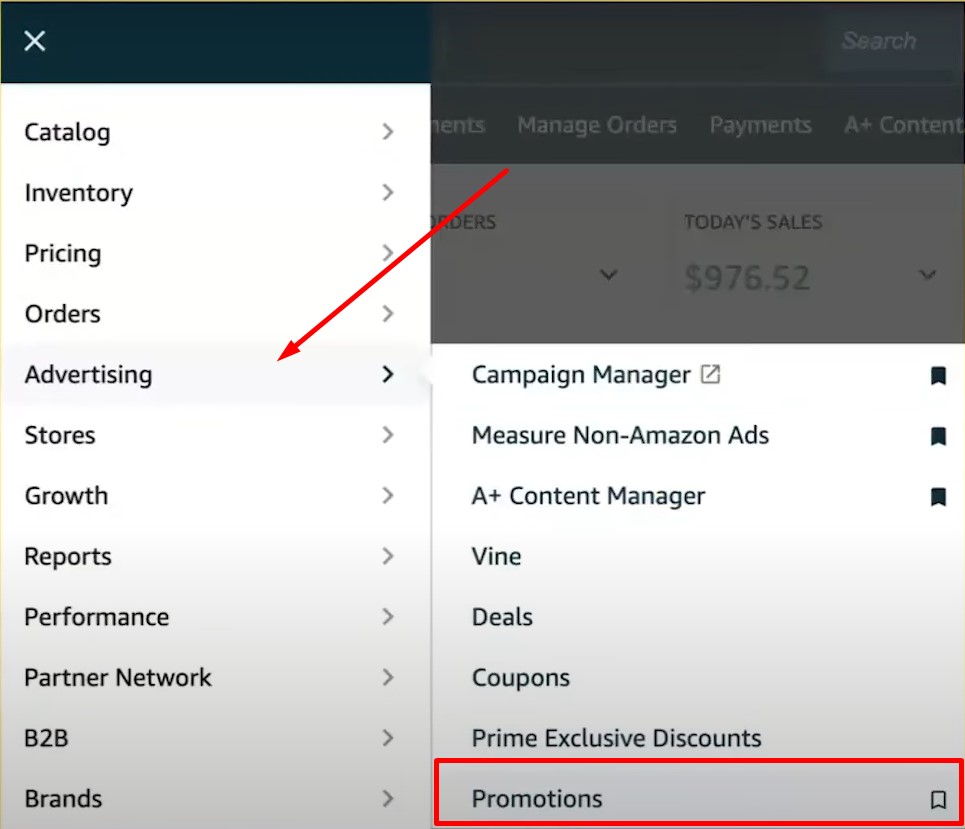
Select Promotion Type:
- Choose the type of promotion that aligns with your marketing goals (e.g., Percentage Off, BOGO, Free Shipping).

Define Promotion Parameters:
- Set the discount amount or terms for your promotion.
- Specify the duration of the promotion and any eligibility criteria.
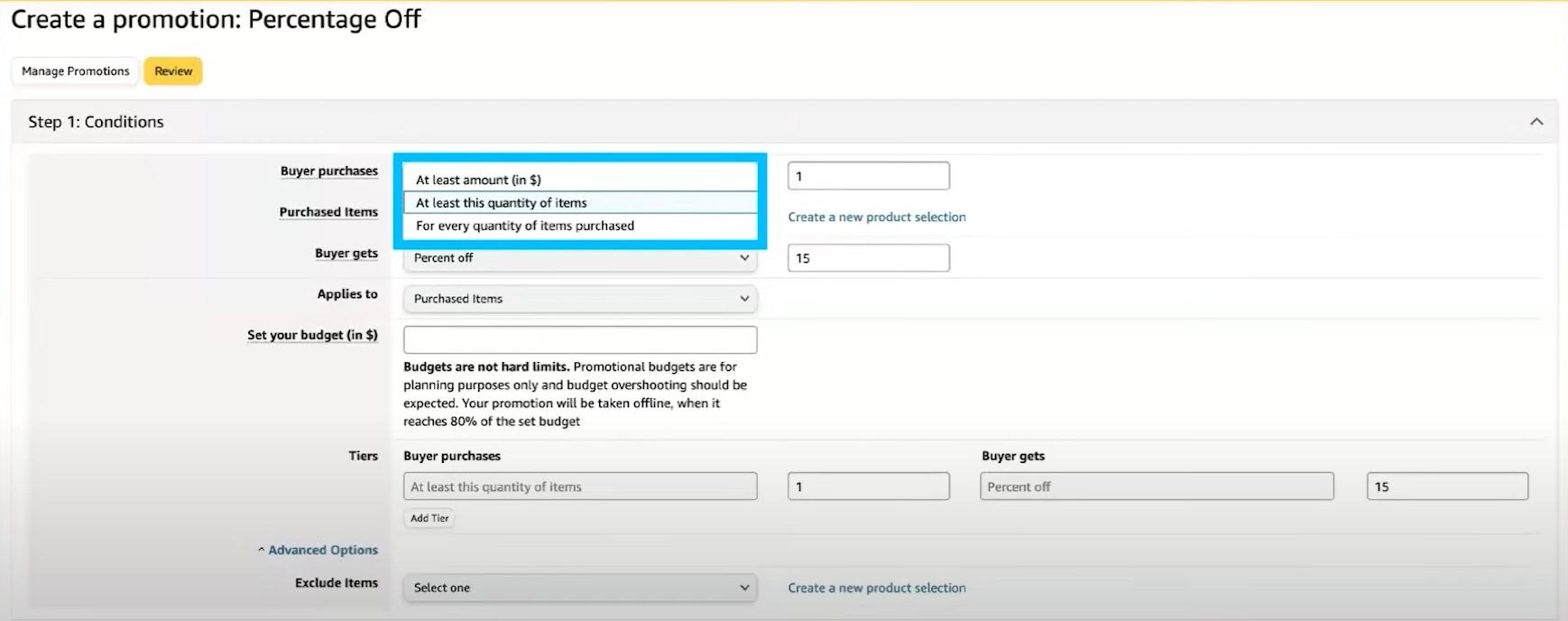
Generate Promo Codes (if applicable):
- If creating a promotion with promo codes, generate unique codes for customers to use during checkout.
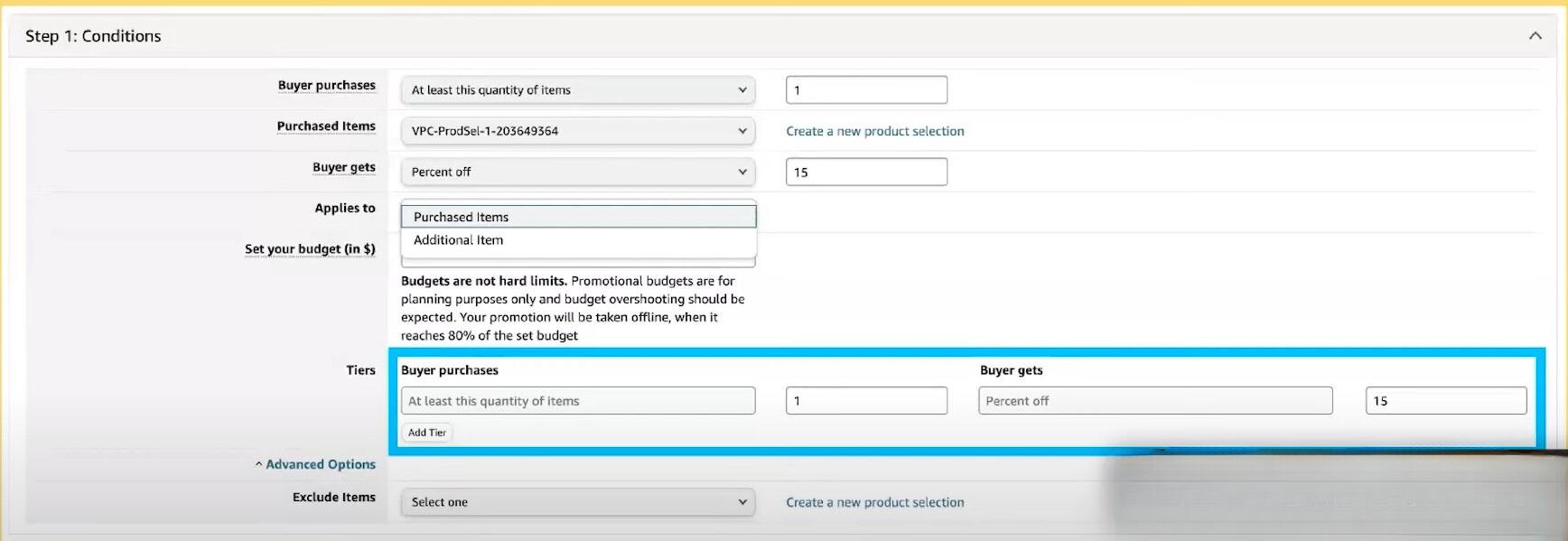
Apply to Specific Products (if desired):
- Decide whether the promotion applies to all products or specific items within your inventory.
Review and Launch:
- Double-check all details and launch your promotion.

Monitor Performance:
- Use Seller Central reporting tools to track the performance of your promotion, including code usage and sales impact.
Types of Amazon Promotions Available
Amazon provides sellers with various promotion types to suit different marketing strategies. Here are some popular types:
Percentage Off Discounts
- Purpose: Encourages customers to purchase by offering a percentage discount on the product’s listed price.
- Example: “Save 20% on your purchase with code XYZ.”
Buy One Get One (BOGO) Promotions
- Purpose: Stimulates sales by offering customers an additional product for free or at a discounted rate when they purchase a qualifying item.
- Example: “Buy one, get the second item at 50% off.”
Free Shipping Promotions
- Purpose: Attract customers by removing the shipping cost barrier.
- Example: “Free shipping on all orders over $50.”
Bundle Promotions
- Purpose: Encourages customers to buy multiple related products at a discounted rate.
- Example: “Save $10 when you buy this laptop and printer bundle.”
Amazon Promotion Eligibility Criteria
To maintain fairness and effectiveness, Amazon sets certain eligibility criteria for promotions. These criteria may include:
- Product Eligibility: Some promotions may apply only to specific products or categories.
- Customer Eligibility: Certain promotions may target specific customer segments (e.g., Prime members).
- Quantity Limits: Amazon may restrict the number of units a customer can purchase at the promotional price.
- Time Limits: Promotions often have a set duration, after which they expire.
Amazon Promotion Strategies
Types of Amazon Promotions
As an Amazon seller, understanding the various types of promotions available is crucial for creating effective marketing strategies. Here’s a closer look at the key types:
Percentage Off Discounts:
- Purpose: Attract customers by offering a percentage discount on the product’s listed price.
- Best Use: Ideal for boosting sales and clearing inventory.
Buy One Get One (BOGO) Promotions:
- Purpose: Stimulate sales by offering a free or discounted item when customers purchase a qualifying product.
- Best Use: Encourages customers to explore additional products in your catalogue.
Free Shipping Promotions:
- Purpose: Remove the shipping cost barrier to attract more customers.
- Best Use: Effective for increasing order values and encouraging repeat business.
Bundle Promotions:
- Purpose: Encourage customers to buy multiple related products at a discounted rate.
- Best Use: Boosts average order value and promotes cross-selling.
Best Practices for Implementing Amazon Promotions
To make the most of Amazon promotions, consider these best practices:
Strategic Timing:
Align promotions with peak shopping seasons, holidays, or special events to maximize visibility and sales impact.
Clear and Compelling Messaging:
Craft concise and compelling promotion titles and descriptions to capture customers’ attention and communicate the value.
Targeted Promotion:
Customize promotions to specific customer segments or demographics for more personalized marketing.
Leverage Social Media:
Share your promotions on social media platforms to expand your reach and attract new customers.
Use Promo Codes Wisely:
If using promo codes, monitor their usage and expiration dates. Consider limited-time codes for urgency.
Monitor Competitor Promotions:
Stay informed about competitor promotions to ensure your offers remain competitive and attractive.
Optimize Product Listings:
Ensure your product listings are optimized with high-quality images, compelling descriptions, and accurate pricing to complement your promotions.
Optimizing Promotions for Different Product Categories
Each product category on Amazon comes with its unique challenges and opportunities. Tailor your promotion strategies based on the nature of your products:
Electronics and Gadgets: Highlight features and emphasize discounts to attract tech-savvy customers.
Fashion and Apparel: Leverage percentage-off discounts and bundle promotions to encourage wardrobe updates.
Home and Kitchen: Use BOGO promotions or bundle deals for complementary kitchen items.
Books and Media: Offer percentage discounts or buy-one-get-one-free promotions to entice avid readers and media enthusiasts.
Beauty and Personal Care: Implement promotions like free samples or percentage discounts to encourage trial and repeat purchases.
What Seller Should Consider While Creating Amazon Product Promotions
Follow these steps to create effective product promotions:
Identify Your Objectives: Clarify your goals—boosting sales, clearing inventory, or launching a new product.
Choose the Right Promotion Type: Select the promotion type that aligns with your objectives, such as percentage-off discounts, BOGO deals, or bundle promotions.
Set Clear Parameters: Define the discount amount, duration, and eligibility criteria for your promotion.
Create Appealing Promo Titles and Descriptions: Craft attention-grabbing titles and descriptions that communicate the value of your promotion to customers.
Generate Promo Codes (if applicable): If using promo codes, generate unique and easily memorable codes that resonate with your brand.
Apply to Relevant Products: Choose whether the promotion applies to all products or specific items within your inventory.
Preview Your Promotion: Take advantage of Amazon’s preview feature to see how your promotion will appear to customers.
Leveraging Product Promotions for Increased Visibility
Enhance the visibility of your product promotions by incorporating these strategies:
Optimize Product Listings:
Ensure your product listings are well-optimized with top-notch images, keyword-rich titles, and compelling descriptions to attract and retain customer attention.
Strategic Placement of Promotions:
Utilize Amazon’s promotional tools to strategically place your offers on product detail pages, search results, and the Amazon Deals page.
Social Media Promotion:
Share your promotions on social media platforms to broaden your reach and attract external traffic to your Amazon listings.
Leverage Sponsored Products:
Complement your promotions with targeted advertising through Amazon’s Sponsored Products feature to increase visibility within search results.
Participate in Lightning Deals:
Consider participating in Amazon’s Lightning Deals for limited-time promotions that boost visibility and sales significantly.
Tracking and Analyzing the Performance of Product Promotions
Effectively tracking and analyzing the performance of your product promotions is crucial for ongoing success:
Utilize Seller Central Reports: Leverage Seller Central’s reporting tools to access sales, traffic, and promo code usage data.
Analyze Customer Behavior: Study customer behaviour during and after the promotion period to understand the impact on conversion rates and long-term customer engagement.
Evaluate ROI: Calculate each promotion’s return on investment (ROI) to assess its effectiveness in achieving your business objectives.
Collect Customer Feedback: Encourage customers to leave reviews or provide feedback on their experience with your promoted products.
Iterate and Refine: Based on your analysis, refine your promotion strategies for future campaigns, incorporating lessons learned to continually optimize performance.
Distributing and Sharing Amazon Promo Codes
Effectively distributing and sharing promo codes is crucial for maximizing their impact. Consider the following strategies:
Social Media Promotion:
Share promo codes on social media platforms to engage your audience and attract external traffic to your Amazon listings.
Email Marketing:
Include promo codes in your email marketing campaigns to reward existing customers and encourage repeat business.
Influencer Collaborations:
Partner with influencers to share promo codes with their audience, expanding your reach to new potential customers.
Packaging Inserts:
Include promo codes in physical product packaging to incentivize future purchases and foster customer loyalty.
Deal Websites:
Submit your promo codes to deal with websites to reach a broader audience actively seeking discounts.
Monitoring and Managing Promo Code Usage
Effectively monitoring and managing promo code usage ensures a smooth and controlled promotional experience:
Monitor Usage Metrics:
Use Seller Central’s reporting tools to track the usage of your promo codes, including the number of redemptions and associated sales.
Set Expiration Dates:
Implement expiration dates for promo codes to create a sense of urgency and encourage timely purchases.
Limit Quantity:
Set quantity limits for promo codes to manage inventory levels and prevent excessive redemptions.
Adjust Terms if Necessary:
Be flexible and adjust promo code terms based on real-time performance and customer feedback.
Address Issues Promptly:
If issues arise, such as unauthorized sharing of codes or technical glitches, address them promptly to maintain a positive customer experience.
Building Customer Loyalty through Promotions
Building lasting customer loyalty is a cornerstone of Amazon’s long-term success. Utilize promotions to foster loyalty:
Exclusive Offers for Repeat Customers:
Reward loyal customers with exclusive promotions, encouraging them to make repeat purchases.
Loyalty Programs:
Implement loyalty programs that offer cumulative discounts or rewards for frequent purchases.
Personalized Promotions:
Customize promotions based on customer preferences and purchase history to create a personalized shopping experience.
Engage with Customer Feedback:
Respond to customer feedback and reviews generated by promotions to demonstrate attentiveness and commitment to customer satisfaction.
Gaining a Competitive Edge in the Marketplace
In a competitive marketplace, standing out is essential. Utilize promotions strategically to gain a competitive edge:
Monitor Competitor Promotions:
Stay informed about competitor promotions to ensure your offers remain competitive and compelling.
Differentiate with Unique Offers:
Create unique promotions that differentiate your products, making them more appealing to potential customers.
Cross-Sell and Upsell:
Implement promotions encouraging customers to explore additional products in your catalogue, increasing your market share.
Strategic Advertising:
Complement your promotions with targeted advertising through Amazon’s Sponsored Products feature to enhance visibility.
Final Thoughts
In conclusion, mastering Amazon promotions is essential for sellers looking to thrive in the competitive e-commerce landscape. By understanding the various types of promotions, strategically creating and implementing them, and optimizing for different product categories, sellers can unlock the full potential of their Amazon store.
Amazon promotions offer a multifaceted approach to achieving business objectives, whether driving immediate sales, building customer loyalty, or gaining a competitive edge. From percentage-off discounts to the strategic use of promo codes, sellers have various tools to tailor promotions to their unique goals and target audience. With the right strategies and a commitment to excellence, Amazon promotions can be a seller’s secret weapon for sustained growth and success.
The post Boost Your Sales with Amazon Promotions: A Step-by-Step Seller’s Guide appeared first on Amazon-ASIN Blogs - Latest from Amazon Sellers: News, Advice, and Effective Strategies.
]]>The post Amazon Negative Reviews: A Seller’s Guide to Turning Feedback into Improvement appeared first on Amazon-ASIN Blogs - Latest from Amazon Sellers: News, Advice, and Effective Strategies.
]]>In today’s digital age, bad reviews on Amazon can spread like wildfire, impacting sales and brand reputation. But fear not! This article will explore the psychological aspects underlying negative reviews, offer practical tips for responding to disgruntled customers, and explore proactive measures to prevent future negative feedback.
A quick peek into the article:
- Understanding Amazon Negative Reviews
- How to Use Amazon Negative Reviews to Improve Your Business
- Dealing with Amazon Fake Negative Reviews
- Removing Negative Amazon Reviews
- Managing Amazon Negative Reviews
- Why Do Customers Write Negative Reviews?
- Final Thoughts
Importance of customer reviews on platforms like Amazon
Without direct physical engagement with products, consumers heavily depend on the virtual experiences shared by others. Customer reviews act as digital testimonials, providing insights into the quality, functionality, and overall satisfaction of a particular product or seller. Amazon, one of the largest online marketplaces, places immense value on customer feedback as a guiding force for potential buyers.
While positive reviews contribute to a product’s credibility, negative reviews are inevitable in the online shopping ecosystem. These critical evaluations, though potentially disheartening for sellers, serve a crucial purpose in fostering transparency and helping consumers make informed decisions. Understanding the dynamics of negative reviews on platforms like Amazon is essential for buyers and sellers alike.
Understanding Amazon Negative Reviews
We explore the contributing factors, the repercussions on a seller’s reputation, and the statistical influence on consumer decision-making. Additionally, we address the prevalent issues such as bad product reviews on Amazon, dealing with negative Amazon reviews, and strategies to combat fake negative reviews.
Factors contributing to negative reviews
Product Quality Issues
Amazon’s bad reviews often stem from concerns about the actual quality of the product received by customers. Such issues can lead to customer dissatisfaction, whether defects, malfunctions, or discrepancies in the product description.
Shipping and Delivery Problems
Instances of delayed deliveries, damaged packages, or shipping errors can trigger negative reviews on Amazon. Customers often express frustration when their expectations regarding delivery timelines are not met.
Customer Service Experiences
Interactions with customer service play a pivotal role in shaping the buying experience. Negative Amazon reviews may arise from unsatisfactory customer service encounters, including unresponsiveness, lack of assistance, or ineffective conflict resolution.
Expectation Misalignment
Sometimes, negative reviews stem from a disconnect between customer expectations and the actual product or service delivered. This misalignment can result from misleading product descriptions, inaccurate images, or unmet customer expectations.
Impact of negative reviews on a seller’s reputation
Negative reviews on Amazon can significantly affect a seller’s standing within the platform and the broader online marketplace. Bad product reviews on Amazon can tarnish a seller’s reputation, decreasing trust and credibility among potential buyers.
Statistics on the influence of negative reviews on consumer decisions
Understanding the statistical impact of negative Amazon reviews on consumer decisions is crucial for both sellers and buyers. Research indicates that consumers often prioritize negative reviews when making purchasing decisions. The prevalence of bad reviews on Amazon can sway potential buyers away from a product, underscoring the need for sellers to actively manage and respond to such feedback.
The Impact of Negative Reviews on Amazon Sellers
Negative reviews on Amazon can send ripples through a seller’s business, affecting various aspects such as sales, revenue, and long-term sustainability.
Effects on Sales and Revenue
The ramifications of negative reviews extend beyond mere criticism. Bad product reviews on Amazon have a direct correlation with sales and revenue. Potential customers, swayed by unfavourable feedback, may choose alternative products, leading to decreased sales for the affected seller. Additionally, if negative reviews accumulate, the overall revenue stream can experience a significant downturn, posing financial challenges for the seller.
Amazon’s Algorithm and the Impact on Product Visibility
Amazon’s algorithm is a powerful and complex system determining product visibility on the platform. Negative Amazon reviews can reduce a product’s search ranking, meaning it appears lower in search results. This diminished visibility directly impacts the product’s discoverability, potentially causing a decline in organic traffic and limiting the opportunities for sales.
Long-term Consequences for Sellers
The consequences of negative reviews are not short-lived; they can have enduring effects on a seller’s reputation and success. Persistent bad reviews on Amazon can erode buyers’ trust in a brand or product over time. As consumers increasingly rely on reviews as a key decision-making factor, a long-term accumulation of negative feedback may lead to diminished market share, making it challenging for sellers to recover and regain a positive standing in the competitive e-commerce landscape.
How to Use Amazon Negative Reviews to Improve Your Business
Negative reviews on Amazon, often categorized as bad product reviews, can be transformed into valuable resources for sellers when approached strategically. This segment explores proactive ways to leverage negative feedback for constructive purposes, including identifying patterns and common issues and utilizing feedback for product improvement.
Turning Negative Feedback into Constructive Insights
Recognizing Opportunities for Improvement
Bad product reviews on Amazon can serve as windows into areas needing improvement. Analyzing negative feedback allows sellers to pinpoint specific aspects of their products or services that fall short of customer expectations.
Engaging with Dissatisfied Customers
Actively engaging with customers who leave negative Amazon reviews provides an opportunity to gather additional insights. By seeking clarification and understanding the customer’s perspective, sellers can gain valuable information that may not be immediately evident in the review itself.
Analyzing Review Trends
Recognizing patterns among bad reviews on Amazon is crucial for understanding recurring issues. Sellers can use analytics tools to identify common themes, helping them address root causes and prevent similar problems in the future.
Categorizing Feedback
Grouping negative Amazon reviews into categories based on issues, such as product quality, shipping problems, or customer service, allows sellers to prioritize areas for improvement effectively.
Iterative Product Development
Negative feedback provides a roadmap for product enhancement. Sellers can initiate iterative development cycles, incorporating suggestions and addressing issues raised in bad reviews for products to refine and elevate their offerings.
Enhancing Customer Experience
Implementing changes based on feedback contributes to an improved customer experience. Sellers can demonstrate responsiveness by proactively addressing concerns raised in Amazon’s bad reviews, fostering customer loyalty and positive relationships.
Dealing with Negative Reviews on Amazon
Addressing negative reviews on Amazon is integral to maintaining a positive online reputation. Here we explore the proactive measures sellers can take to monitor, respond to, and effectively manage negative Amazon reviews.
Monitoring and Responding to Negative Reviews
Regular Review Monitoring
Consistent monitoring of reviews, including bad product reviews on Amazon, allows sellers to stay informed about customer sentiments. Tools and alerts can be employed to receive real-time notifications of new reviews.
Timely Response
Swift responses to negative reviews demonstrate a commitment to customer satisfaction. Acknowledging concerns promptly not only appeases the dissatisfied customer but also showcases transparency and responsiveness to potential buyers.
Crafting Effective and Empathetic Responses
Acknowledging the Issue
Begin responses by acknowledging the specific concerns raised in the negative Amazon reviews. This demonstrates an understanding of the customer’s perspective and validates their experience.
Expressing Empathy
Craft responses that convey empathy and a genuine desire to resolve the issue. Understanding and responding to customer emotions have the potential to transform an unfavourable encounter into a chance to restore trust.
Providing Solutions or Compensation
Offer tangible solutions to the problems highlighted in bad reviews for products. Whether it’s a replacement, refund, or additional support, providing solutions showcases a commitment to customer satisfaction.
Building a Proactive Approach to Customer Satisfaction
Implementing Continuous Improvement
Use feedback from negative Amazon reviews as a catalyst for continuous improvement. Regularly assess and enhance products, services, and customer support based on the insights gained from customer feedback.
Collecting Positive Feedback
Actively encourage satisfied customers to share positive reviews. Building a robust base of positive reviews helps counterbalance the impact of occasional negative feedback, contributing to an overall positive online reputation.
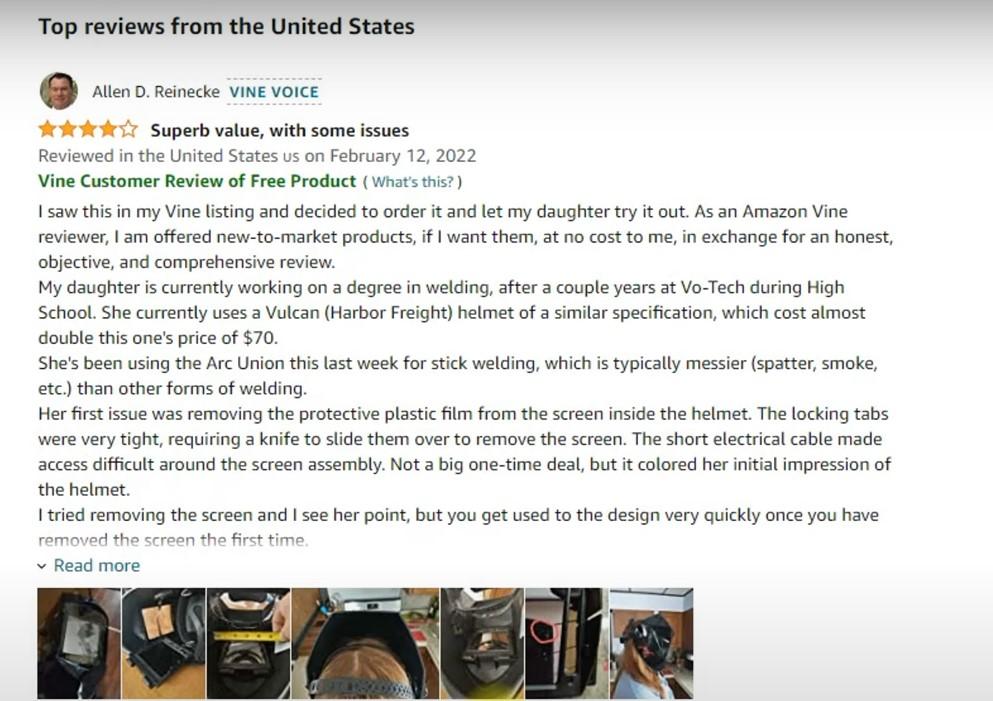
Joining the free Amazon Vine Program enables you to submit your products to qualified reviewers. However, whether they choose to provide a positive or negative review is entirely at their discretion
Educating Customers
Set clear expectations regarding products and services to reduce the likelihood of expectation misalignment. Proactive communication can prevent negative Amazon reviews from stemming from misunderstandings.
Dealing with Amazon Fake Negative Reviews
The prevalence of fake reviews on Amazon is a persistent challenge that sellers must navigate. Understanding their impact on sellers and consumers and implementing effective strategies to combat this deceptive practice.
Recognizing Fake Negative Reviews
Unusual Review Patterns
Anomalies in review patterns, such as a sudden influx of negative reviews within a short timeframe, can indicate potential manipulation.
Generic Language and Similarities
Fake reviews often exhibit generic language, lack specific details, and may share similarities across different products or sellers.
Overuse of Keywords
Excessive use of keywords, especially those associated with bad product reviews on Amazon, may indicate an attempt to manipulate search rankings rather than provide genuine feedback.
The Impact of Fake Reviews on Sellers and Consumers
Erosion of Trust
Fake negative reviews erode trust in the review system, making it challenging for sellers and consumers to rely on genuine feedback.
Financial Consequences
Sellers may experience financial repercussions as fake reviews can deter potential customers, leading to declining sales and revenue.
Consumer Misguidance
Fake negative reviews may mislead consumers to rely on reviews for informed decisions, resulting in dissatisfaction with legitimate products.
Strategies to Combat Fake Reviews
Leveraging Technology
Utilize advanced algorithms and artificial intelligence tools to identify patterns indicative of fake reviews. These tools can analyze review content, timing, and user behaviour to flag suspicious activities.
Reporting to Amazon
Report suspected fake reviews to Amazon through the appropriate channels. Amazon has mechanisms to investigate and take necessary actions against fraudulent reviews.
Encouraging Genuine Reviews
Foster a community of genuine reviewers by encouraging satisfied customers to leave authentic feedback. This helps dilute the impact of fake reviews and contributes to a more trustworthy review ecosystem.
Implementing Review Verification
Explore options for verified purchase reviews where customers can only leave feedback after confirming their purchase. This contributes an extra layer of authenticity to reviews.
Removing Negative Amazon Reviews
Amazon’s Policies on Review Removal
Maintaining Authenticity
Amazon prioritizes the authenticity of reviews, aiming to provide genuine insights to potential buyers. Consequently, the platform has strict policies against removing legitimate, unbiased reviews.
Prohibition of Incentivized Reviews
Amazon prohibits reviews that are obtained through incentives or any form of compensation. This policy is in place to ensure the impartiality of reviews.
Legitimate Reasons for Requesting Removal
Violations of Amazon’s Review Policies
Reviews that violate Amazon’s review policies, such as those with inappropriate content or promotional material, are legitimate candidates for removal.
Fraudulent or Fake Reviews
Reviews proven to be fraudulent or fake, including those intended to harm a seller’s reputation unfairly, can be reported and may be subject to removal.
Personal Attacks and Harassment
Reviews containing personal attacks, harassment, or offensive language violate Amazon’s community guidelines and may be eligible for removal.
Step-by-step Guide on Reporting and Resolving Issues with Amazon Reviews
Identify the Review in Question
Identify the review you believe violates Amazon’s policies or unjustly impacts your business.
Navigate to the Report Abuse Page
Visit Amazon’s “Report Abuse” page and select the appropriate option based on the nature of the violation.
Provide Detailed Information
Clearly articulate the reasons for your report, providing specific details about why you believe the review should be removed. Attach any relevant evidence, such as screenshots or correspondence.
Await Amazon’s Review
Amazon will investigate the reported review and determine whether it violates its policies. This process may take some time, so patience is key.
Appeal if Necessary
If your report is initially rejected, carefully review Amazon’s response and, if appropriate, submit an appeal with additional information or clarification.
Focus on Positive Engagement
While addressing negative reviews, focus on building positive interactions with customers. Encourage satisfied customers to leave authentic reviews to counterbalance any negative impact.
Managing Amazon Negative Reviews
Effectively managing negative reviews on Amazon requires a proactive and strategic approach. We explore the development of a comprehensive review management strategy and use tools and software to monitor reviews efficiently.
Developing a Comprehensive Review Management Strategy
Set Clear Objectives
Define specific objectives for your review management strategy, such as improving product quality, enhancing customer service, or addressing common issues highlighted in negative reviews.
Establish Communication Protocols
Develop clear and consistent communication protocols for responding to negative reviews. Determine who within your team will handle responses and ensure a unified and professional tone.
Regularly Monitor Review Trends
Implement a system for regularly monitoring review trends, including the frequency of negative reviews and the emergence of new issues. Stay proactive in identifying and addressing potential concerns.
Collect and Analyze Feedback
Collect feedback from negative reviews and analyze it systematically. Categorize feedback based on common themes and use this information to inform product improvements and customer service enhancements.
Encourage Positive Reviews
Actively encourage satisfied customers to share positive reviews. Implement strategies such as follow-up emails or incentives to build a bank of positive feedback that can counterbalance occasional negative reviews.
Utilizing Tools and Software to Monitor Reviews
Review Tracking Tools
Explore third-party review tracking tools that provide comprehensive insights into your product’s reviews. These tools often offer features such as sentiment analysis and trend tracking.
Alert Systems
Set up alert systems to receive real-time notifications when new reviews are posted. This enables prompt responses to negative reviews, showcasing your commitment to addressing customer concerns.
Data Analytics Platforms
Utilize data analytics platforms to gain in-depth insights into review data. Analyzing patterns and correlations can help you identify areas for improvement and adjust your strategy accordingly.
Customer Feedback Surveys
Implement customer feedback surveys to gather additional insights beyond what is expressed in reviews. Direct feedback allows you to address issues before they become negative reviews on Amazon.
Competitor Analysis Tools
Monitor your competitors’ reviews to identify industry trends and stay ahead of potential challenges. Understanding the broader landscape can inform your review management strategy.
Why Do Customers Write Negative Reviews?
Exploring the Psychology Behind Negative Reviews
Emotional Expression
Negative reviews often serve as a platform for customers to express their emotions, whether frustration, disappointment, or dissatisfaction. Understanding the emotional component is key to responding empathetically.
Seeking Resolution
Some customers use negative reviews to attract attention and seek resolution to their issues. Acknowledging their concerns and providing solutions can turn a negative experience into a positive one.
Strategies to Prevent Negative Reviews by Understanding Customer Expectations
Clear Product Descriptions
Provide accurate and detailed product descriptions to align customer expectations with the product. Transparency can prevent dissatisfaction and subsequent negative reviews.
Effective Communication
Establish clear communication channels to address customer queries and concerns. Proactive communication can prevent misunderstandings that may lead to negative reviews.
Quality Assurance
Prioritize product quality to minimize the chances of negative reviews related to defects or malfunctions. Regular quality checks contribute to customer satisfaction.
Final Thoughts
In conclusion, navigating the intricate terrain of negative reviews on Amazon necessitates a nuanced and empathetic approach. By delving into the psychology behind customer feedback and addressing common motivations for negative reviews, sellers can cultivate a proactive strategy for engagement and resolution. Clear communication, product transparency, and a commitment to quality assurance emerge as vital elements in mitigating the impact of dissatisfaction.
As we bring this comprehensive guide to a close, it becomes evident that, though challenging, negative reviews present opportunities for sellers to showcase their dedication to customer satisfaction. Embracing the lessons learned from positive and negative feedback forms the cornerstone of a resilient and trustworthy online presence. In the dynamic realm of Amazon reviews, continuous improvement and an unwavering commitment to customer-centric practices are paramount for long-term success.
The post Amazon Negative Reviews: A Seller’s Guide to Turning Feedback into Improvement appeared first on Amazon-ASIN Blogs - Latest from Amazon Sellers: News, Advice, and Effective Strategies.
]]>